A cat in pain rarely announces it. There is usually no crying, no limping drama, just small shifts in the way your cat behaves: a little less grooming here, a little more hiding there. Because cats are so good at masking discomfort, pain is often mistaken for ageing or mood, and owners only mention it to the vet once it is severe. Learning the quiet signs — and how to read your cat’s face — is one of the most useful skills a cat owner can have.
In this guide7 sections
Call your vet if you notice these changes
- Hiding or withdrawing, eating less, or grooming less than usual
- Hesitating at stairs, struggling with the litter tray, or avoiding favourite jumping spots
- Growling, hissing or swiping when touched, when your cat was previously friendly
- International Cat Care advises seeking veterinary attention whenever you think your cat is in pain, or if you are unsure.
Why cats hide their pain
Hiding pain is an instinct. Cornell University’s Feline Health Center explains that cats conceal disability as a form of self-protection, so they do not appear vulnerable. International Cat Care adds that cats usually show discomfort only in subtle ways, and describes pain as both a sensory experience and an unpleasant emotional one.
That instinct has a cost. In an expert-consensus study, veterinary specialists agreed that owners often mistake pain-related behaviour changes for an inevitable part of natural ageing, and do not report them to the vet until the problem is severe. The takeaway is simple: a behaviour change is worth a vet visit, even if your cat seems otherwise fine.
The quiet behaviour changes to watch for
A painful cat tends to do less of everything that makes a cat a cat. International Cat Care lists the pattern: less grooming, less exploring, less jumping and climbing, less hunting, less playing and less scratching. An unkempt, matted coat can develop when a cat cannot position itself comfortably to groom, and overgrown claws are common in cats with joint pain.
Hiding is one of the most typical responses. A cat in pain may retreat to unusual places, seem more sedentary than usual, or appear depressed — protecting itself, conserving energy and minimising the risk of further pain. You may also notice your cat eating less often, eating less, or stopping altogether, and previously social cats may avoid being stroked or spend more time away from people and other animals. Some cats growl or hiss when approached and swipe or bite if touched: a defensive reaction to stop anything that might hurt more.
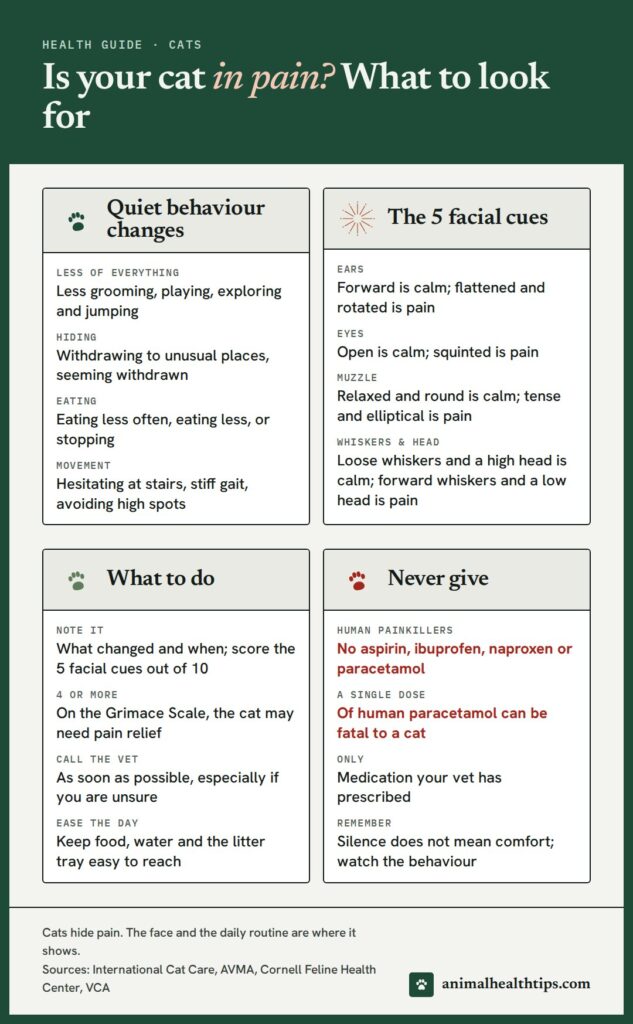
Reading your cat’s face: the Feline Grimace Scale
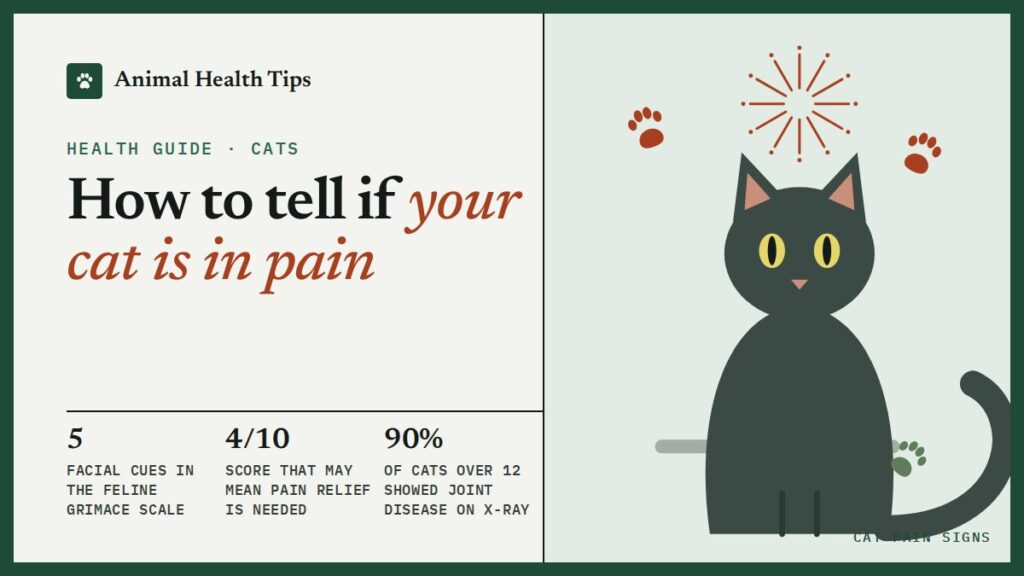
One of the most practical tools for owners is the Feline Grimace Scale, a validated method for assessing acute pain in cats. It scores five facial features, each from 0 (absent) to 2 (obvious), giving a total out of 10. A score of 4 or higher is the intervention point at which a cat might require pain relief — findings you can share with your vet.
| Facial cue | 0 — absent | 1 — moderate | 2 — obvious |
|---|---|---|---|
| Ear position | Ears facing forward | Ears slightly pulled apart | Ears flattened and rotated outward |
| Eyes (orbital tightening) | Eyes fully open | Eyes partially open | Eyes squinted or tightly closed |
| Muzzle tension | Muzzle relaxed and round | Muzzle mildly tense | Muzzle tense and elliptical |
| Whisker position | Whiskers loose and curved | Whiskers slightly straight | Whiskers straight and pushed forward |
| Head position | Head above the shoulder line | Head level with the shoulders | Head below the shoulders or tilted down |
The scale was validated on cats with naturally occurring painful conditions, and it performed well: the 4-out-of-10 cut-off identified pain with 90.7% sensitivity and 86.6% specificity, and scores fell after pain-relief treatment. It is a guide, not a diagnosis — but it gives you concrete observations to describe on the phone to your vet.
How pain changes the way your cat moves
Mobility changes are often gradual and easy to miss. A painful cat may hesitate before climbing onto furniture, find the stairs challenging or avoid them, walk with a stiff gait, or play and hunt less. Favourite high spots can be quietly abandoned: the VCA notes that cats with chronic joint pain stop jumping onto windowsills and other perches, and struggle to get in and out of the litter box.
Joint pain is far more common than most owners realise. Cornell reports that in one study of cats aged 10 and over, X-rays showed radiographic evidence of degenerative joint disease in 90% of cats over the age of 12. Slowed-down, reclusive behaviour can signal joint problems in cats of any age — the subtle early signs include lethargy and seeking out comforting napping places.
Food, grooming and litter tray clues
Changes around eating often point to pain. A cat may visit the food bowl less often or eat less, and cats with joint pain can struggle to flex their elbows comfortably at the bowl. Dental pain has its own pattern: the cat still eats, but on one side of the mouth, favours soft food, drops food, drools, or paws at the mouth.
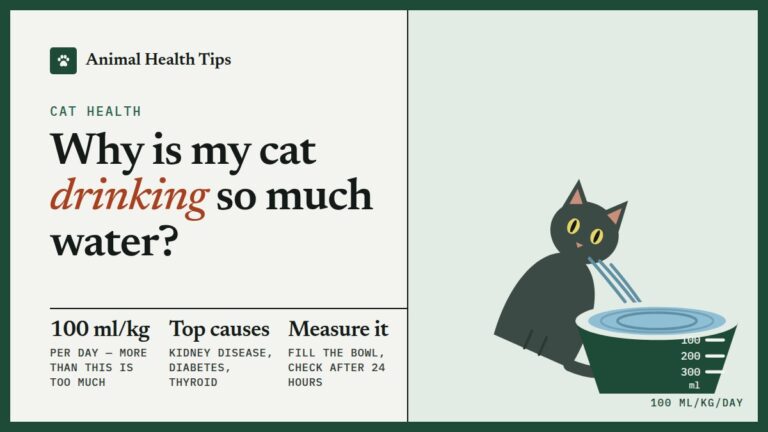
The litter tray is another place pain shows itself. Going outside the tray is a common behavioural sign of pain: cats with sore joints struggle to climb in and out, and a cat may avoid a tray it associates with pain, as happens with cystitis. If your cat is also drinking or weeing much more than usual, our guide on why cats drink so much water explains when that needs a vet visit too.
What to do if you think your cat is in pain
- Watch and note what changed, and when. Small details — which stairs are avoided, when the hiding started — help your vet enormously. The Grimace Scale gives you five concrete things to check on the face.
- Do not wait it out. Contact your clinic and arrange a health assessment as soon as possible. Pain left untreated tends to get worse, not better.
- Never give human painkillers. No aspirin, ibuprofen, naproxen or acetaminophen: some are ineffective in cats and some are toxic. The VCA warns that a single human dose of acetaminophen can be fatal to a cat. Only give medication your vet has prescribed.
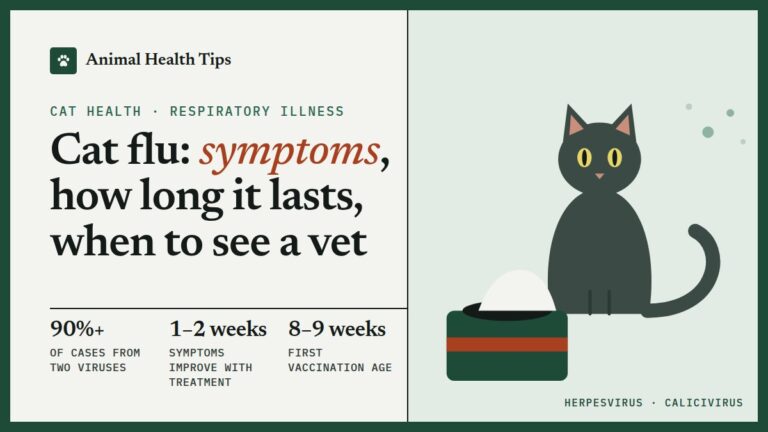
- Make life easier meanwhile. Keep food, water and the litter tray easy to reach, and let your cat rest where it chooses. If several behaviour changes overlap with illness signs, our guide on cat flu symptoms and when to see a vet can help you judge urgency.
Key takeaways
- Cats hide pain instinctively, so watch for quiet changes: less grooming, hiding, eating less, avoiding stairs and jumping.
- The Feline Grimace Scale scores five facial cues out of 10; a score of 4 or more may mean your cat needs pain relief.
- Never give human painkillers: a single human dose of acetaminophen can be fatal to a cat.
- If you think your cat is in pain, or you are unsure, contact your vet as soon as possible.
Frequently asked questions
How do I know if my cat is in pain or just getting old?
Do not assume it is ageing. Veterinary experts found that owners often mistake pain for old age and only report it once severe. Quiet changes — less grooming, hiding, avoiding stairs, eating less — are worth a vet visit at any age, because treatable pain is common in older cats.
What is the Feline Grimace Scale?
It is a validated tool for assessing acute pain in cats. You score five facial features — ear position, eye squinting, muzzle tension, whisker position and head position — from 0 to 2 each, out of 10. A score of 4 or higher suggests the cat may need pain relief, and you can share the score with your vet.
Can I give my cat paracetamol or ibuprofen for pain?
No. Human painkillers can be ineffective or toxic in cats, and the VCA warns that a single human dose of acetaminophen can be fatal to a cat. Only ever give medication your vet has prescribed.
My cat is hiding more than usual. Is that pain?
It can be. Becoming withdrawn and hiding is a typical feline pain response: the cat protects itself and conserves energy. If the hiding is new, or comes with other changes such as eating less, contact your vet.
Why has my cat stopped using the litter tray?
Going outside the tray is a common sign of pain. Cats with joint pain struggle to climb in and out, and cats may avoid a tray they associate with pain. There are other causes too, so a vet visit is the right next step.
Do cats cry or meow when they are in pain?
Not reliably. The VCA cautions that many cats do not vocalise with chronic pain, and watching for behaviour changes is more effective. Some cats do growl, hiss or swipe when touched — a defensive response — but silence does not mean comfort.
Sources
- International Cat Care — How to spot signs of pain in cats
- AVMA — New scale interprets pain in feline facial expressions
- Scientific Reports — The Feline Grimace Scale for acute pain assessment
- PLOS ONE — Behavioural signs of pain in cats: expert consensus
- VCA Animal Hospitals — Joint pain management in cats
- Cornell Feline Health Center — Is your cat slowing down?
This guide is general information, not a diagnosis. If you are worried about your pet, contact your vet.