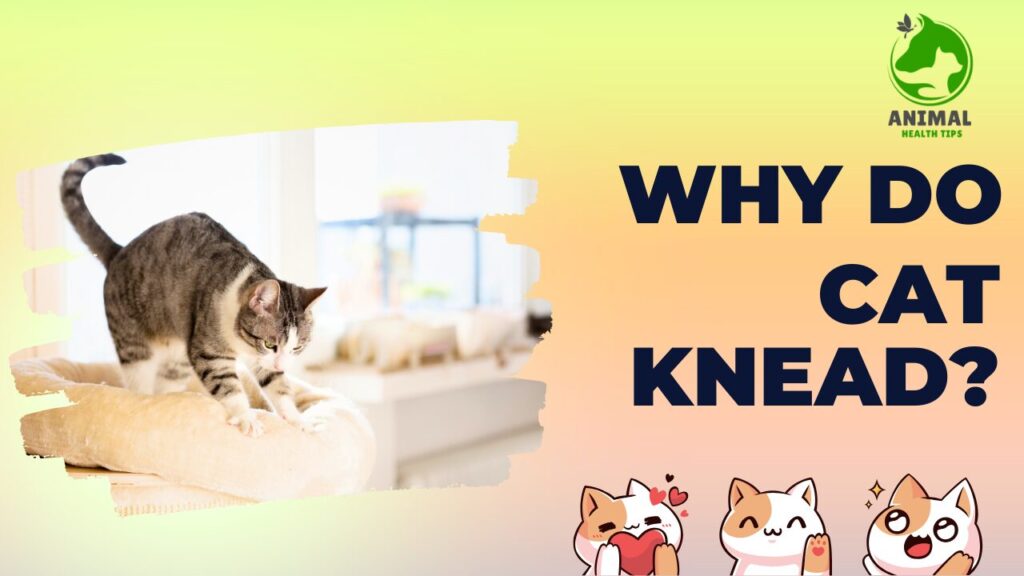
Why Do Cats Knead? The Surprising Reasons Behind This Cute Behavior
If you have a cat, you may have noticed that they sometimes knead their paws on your lap, a blanket, or a pillow. This is a common behavior that many cat owners find adorable and comforting. But why do cats knead? What does it mean? And how can you make it more enjoyable for both you and your cat?
In this guide7 sections
In this article, we will answer these questions and more. We will explain the possible reasons behind this behavior, how it affects your cat’s health and happiness, and what you can do to make it a positive experience for both of you. Let’s get started!
What is Kneading and How Does It Work?
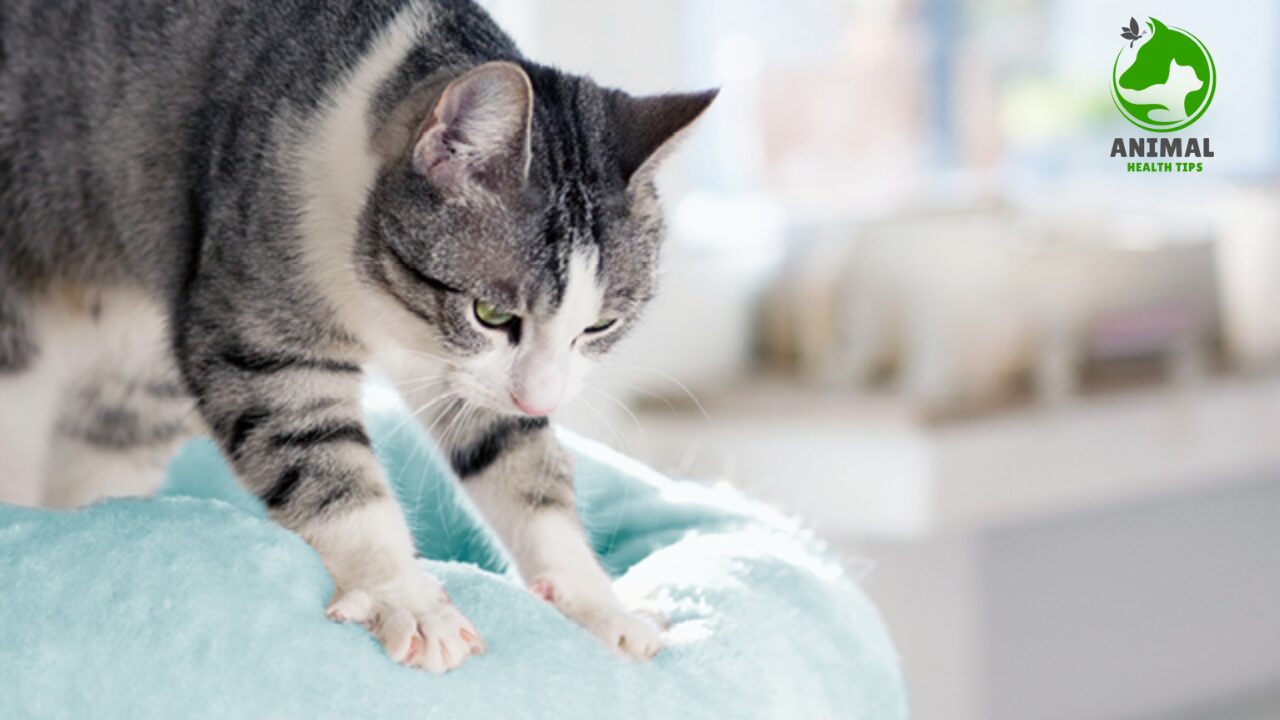
Kneading is the rhythmic back and forth motion a cat makes by alternating their paws against something soft. The motion is similar to kneading dough, hence the name. Cats usually knead with their front paws, but some may also use their back paws. They may also purr, meow, or drool while kneading.
Kneading is an instinctive behavior that cats develop from kittenhood. When a kitten is first born, they knead against their mother’s stomach to stimulate milk production. This helps them get enough nutrition and bond with their mother. Kneading also releases endorphins, which are natural chemicals that make cats feel happy and relaxed.
As cats grow older, they may continue to knead for various reasons. Some of the most common ones are:
- To show affection and trust. Kneading is a way for cats to express their love and gratitude to their human companions or other cats. It is a sign that they feel comfortable and safe with you. They may also knead to mark you as their territory, as they have scent glands in their paws that leave behind their unique smell.
- To relieve stress and anxiety. Kneading can help cats cope with stressful situations, such as moving to a new home, meeting new people or animals, or hearing loud noises. Kneading can calm them down and release tension from their body and mind.
- To prepare a cozy spot for sleeping or resting. Kneading can make a surface more comfortable and warm for cats. They may knead a blanket, a pillow, or a piece of furniture to create a nest-like area for themselves. This behavior may also stem from their wild ancestors, who used to knead grass or leaves to make a soft bed.
- To communicate their needs or desires. Kneading can also be a way for cats to tell you what they want or need. For example, they may knead to ask for food, attention, or playtime. They may also knead to indicate that they are in heat or ready to mate.
Why is Kneading Good for Your Cat?
Kneading is not only a cute behavior, but also a beneficial one for your cat. Here are some of the benefits of kneading for your cat:
- It improves their mood and well-being. Kneading can make your cat feel happy, relaxed, and satisfied. It can also reduce their stress and anxiety levels, which can improve their mental and physical health.
- It strengthens their muscles and joints. Kneading can help your cat maintain their muscle tone and joint flexibility. It can also prevent stiffness and arthritis, especially in older cats.
- It stimulates their blood circulation and lymphatic system. Kneading can increase the blood flow and oxygen delivery to your cat’s tissues and organs. It can also help them flush out toxins and waste products from their body.
- It keeps their claws healthy and sharp. Kneading can help your cat shed the outer layer of their claws, which can prevent them from becoming overgrown, ingrown, or infected. It can also sharpen their claws, which can help them defend themselves or hunt.
How to Make Kneading a Positive Experience for Both You and Your Cat?
Kneading is a natural and normal behavior for cats, and you should not try to stop it or punish it. However, there are some things you can do to make it more enjoyable and comfortable for both you and your cat. Here are some tips:
- Trim your cat’s claws regularly. This can prevent them from scratching or hurting you or your furniture while kneading. You can use a nail clipper or a file designed for cats, or take them to a groomer or a vet. Be careful not to cut the quick, which is the pink part of the nail that contains blood vessels and nerves.
- Provide your cat with a soft and cozy surface for kneading. You can give your cat a blanket, a pillow, or a cat bed that they can knead to their heart’s content. You can also spray some catnip or pheromone on it to make it more attractive and soothing for them.
- Reward your cat with praise and affection. Kneading is a way for your cat to show you their love and trust, so you should reciprocate it. You can pet your cat, talk to them, or give them a treat while they knead. This can reinforce the positive association and strengthen your bond with them.
- Respect your cat’s boundaries and preferences. Some cats may knead more than others, or only knead certain people or objects. Some may also prefer to knead in private or in a quiet place. You should respect your cat’s individual personality and habits, and not force them to knead or stop kneading. You should also pay attention to their body language and signals, and stop if they seem uncomfortable or annoyed.
Frequently Asked Questions
Here are some of the most common questions that people have about cat kneading:
Why do cats knead and bite?
Some cats may bite while kneading, either gently or aggressively. This may be because they are overstimulated, excited, or frustrated. They may also bite to show dominance or assertiveness. You can discourage this behavior by saying “no” firmly, moving away, or distracting them with a toy.
Why do cats knead and drool?
Some cats may drool while kneading, either a little or a lot. This may be because they are very relaxed, happy, or content. They may also drool because of a medical condition, such as dental problems, mouth infections, or nausea. You should check your cat’s mouth and teeth regularly, and consult a vet if you notice any signs of trouble.
Why do cats knead and purr?
Most cats purr while kneading, as a way to express their satisfaction and pleasure. Purring is also a way for cats to communicate with each other and with humans. Purring can also have healing effects, as it can lower blood pressure, reduce stress, and promote healing.
Why do cats knead humans?
Cats knead humans for the same reasons they knead other things: to show affection, to relieve stress, to prepare a cozy spot, or to communicate their needs. They may also knead humans because they associate them with their mother, who provided them with warmth, comfort, and milk. Kneading humans can also help cats bond with them and feel closer to them.
Conclusion
Kneading is a common and natural behavior for cats, that has many benefits and meanings. It is a way for cats to express their emotions, to improve their health, and to communicate with their environment. Kneading is also a way for cats to bond with their human companions, and to show them their love and trust.
As a cat owner, you should not try to stop or discourage your cat from kneading, as it is an important part of their instinct and well-being. Instead, you should make it a positive and comfortable experience for both you and your cat, by following the tips we have shared in this article.
We hope you have learned something new and interesting about cat kneading, and that you will enjoy this cute behavior even more with your furry friend.
Note:
So in This Post, we Tell you Why do cats knead? what points can you think of/have experienced? Let me know in the comments.
If you found this helpful feel free to share your experience if you can relate to these points and if you are comfortable to share
For More Articles Related to Cats Health Stay Tuned To our Site