
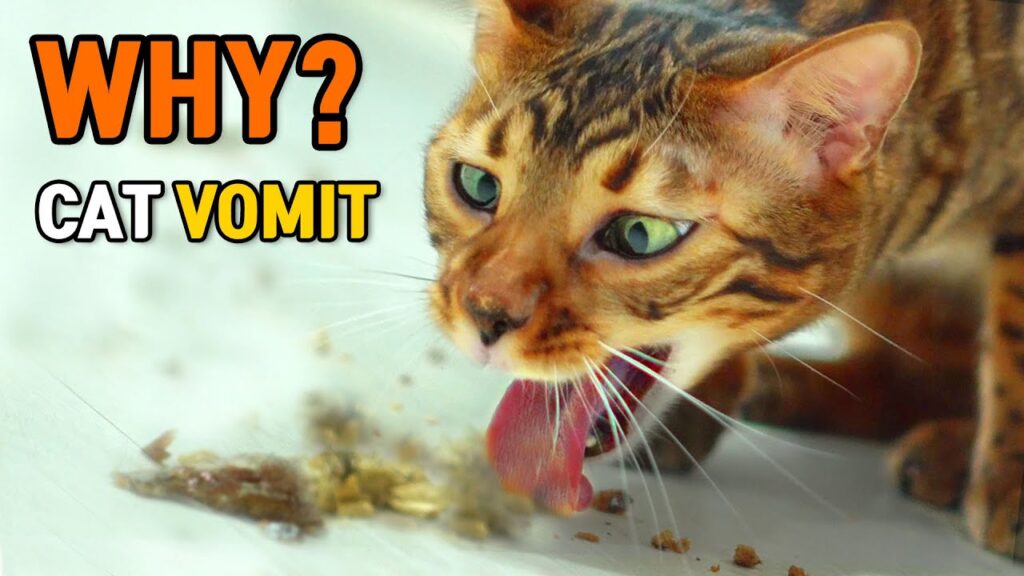
Vomiting in cats can be worrying for any pet owner. A random episode might not indicate an issue, but frequent vomiting could signal a more serious health problem. From hairballs to dietary intolerances or underlying medical conditions, understanding why your cat is vomiting and knowing when to take action is crucial for their well-being.
In this guide5 sections
This blog explains the common causes of vomiting, when to consult a veterinarian, preventative measures, and safe home remedies to help you care for your feline friend.
Understanding Vomiting in Cats
Cats are notorious for their occasional vomiting episodes, but when should you be concerned? Vomiting can be classified into two categories—normal and abnormal behavior.
Normal Vomiting Behaviors
Some instances of vomiting in cats are relatively harmless. This may include throwing up hairballs—especially in long-haired breeds—or occasional indigestion caused by eating too quickly. Hairballs form when cats groom themselves, and swallowing fur is inevitable. Although regurgitating a hairball now and then is normal, frequent vomiting due to hairballs may warrant further investigation.
Abnormal Vomiting Behaviors
Abnormal vomiting must be closely monitored. These episodes are often more frequent and can be accompanied by other symptoms such as lethargy, weight loss, diarrhea, or changes in appetite.
Common Causes of Vomiting in Cats
- Dietary Issues
- Sudden diet changes, food allergies, or intolerance to certain ingredients (e.g., grains, dairy).
- Hairballs
- Excessive grooming or lack of fiber in the diet, leading to frequent hairball regurgitation.
- Eating Too Fast
- Consuming large meals in a short time may cause a cat to vomit undigested food.
- Gastrointestinal (GI) Issues
- Irritable bowel syndrome (IBS), inflammatory bowel disease (IBD), or stomach ulcers could be the culprits.
- Toxins and Foreign Objects
- Cats are curious creatures and might ingest harmful substances like plants, household chemicals, or small objects that could induce vomiting.
- Parasites or Worms
- Parasites like roundworms and hookworms are common in cats and can trigger vomiting if untreated.
- Underlying Illnesses
- Conditions such as kidney disease, liver disease, or thyroid imbalances may also present first as vomiting.
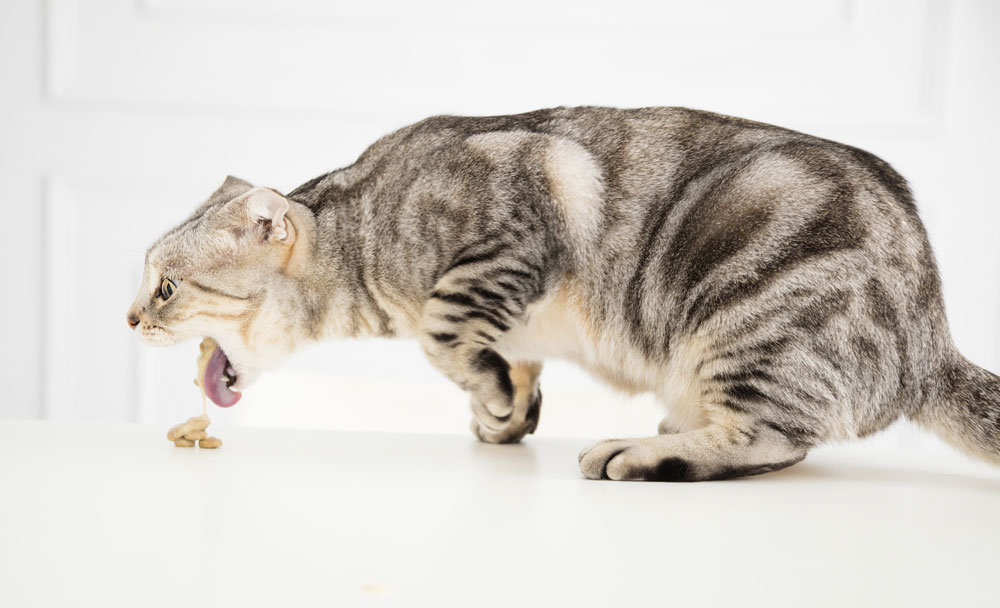
When to Seek Veterinary Attention
Warning Signs of Serious Health Issues
Vomiting becomes a serious concern when it is frequent or accompanied by these symptoms:
- Persistent vomiting multiple times in a day
- Vomit includes blood, bile (yellow/green), or foam
- Lethargy or lack of energy
- Significant change in eating or drinking habits
- Severe weight loss
- Signs of dehydration (dry gums, dull fur, sunken eyes)
The Importance of Early Detection
Cats are masters at hiding their illnesses, so noticing subtle changes is key. Early detection allows conditions to be treated promptly before complications arise. If your cat is experiencing any of the warning signs above, schedule a veterinary visit without delay.
Preventing Vomiting in Cats
Prevention is often the best cure, and these steps can reduce the chances of your feline vomiting frequently.
Feeding Tips
- Feed Smaller Portions
Break meals into smaller portions throughout the day, especially for cats prone to eating quickly.
- Gradual Diet Changes
When switching cat food brands, do so gradually over 7–10 days to allow their digestive system to adjust.
- High-Quality Cat Food
Choose high-quality cat food containing easily digestible proteins and fibers that aid digestion and minimize hairball formation.
Grooming Tips
- Regular Brushing
Help reduce the amount of fur your cat ingests by brushing them frequently, especially if they have long fur.
- Hairball Control Products
Use specially formulated cat food or supplements designed to reduce hairball formation.
Environmental Adjustments
- Cat-Proof Your Home
Remove toxic plants, small objects, or chemicals to prevent accidental ingestion.
- Interactive Feeders
Use slow-feed or puzzle feeders to encourage slower, more mindful eating.
Home Remedies and Treatments
For occasional, mild vomiting, you can try safe at-home measures to support your cat’s recovery.
Rest the Stomach
Give your cat a short fasting period (12–24 hours) to rest their stomach. Ensure they have access to fresh water to prevent dehydration, but avoid feeding them during this time.
Introduce a Bland Diet
After fasting, introduce a bland diet such as boiled chicken and plain white rice in small portions. Transition back to their regular food gradually.
Cat-Safe Remedies
- Pumpkin Puree
A teaspoon of plain, unsweetened pumpkin can help regulate digestion if your cat has an upset stomach.
- Hydration
Use a cat-specific electrolyte solution to prevent dehydration during a mild vomiting episode.
Caution with Over-the-Counter Medications
Avoid giving your cat human medications or unprescribed remedies, as they may be toxic or harmful. Always consult a veterinarian before administering any new treatment.
Key Takeaways for a Healthy, Happy Cat
Vomiting in cats can range from benign to potentially life-threatening. It’s essential to recognize the difference between normal and abnormal episodes, understand the possible causes, and know when to consult a vet. By taking preventative measures and providing the right care, you can help your cat stay healthy and comfortable.
Always listen to your instincts—if something feels off, don’t hesitate to seek professional veterinary advice. Your furry friend relies on you to be their advocate.
Have your cat’s vomiting episodes concerned you? Share your experiences in the comments, or contact your local veterinarian for expert guidance. For More Visit Our Site Animal Health Tips
1 comment