If you are a dog owner who is planning to breed your dog or suspect that your dog might be pregnant, you might have many questions about dog pregnancy. How long are dogs pregnant? How can you tell if your dog is pregnant? What are the signs and stages of dog pregnancy? How can you care for your pregnant dog and her puppies? In this article, we will answer all these questions and more, to help you understand everything you need to know about dog pregnancy.
In this guide5 sections
How Long Are Dogs Pregnant?
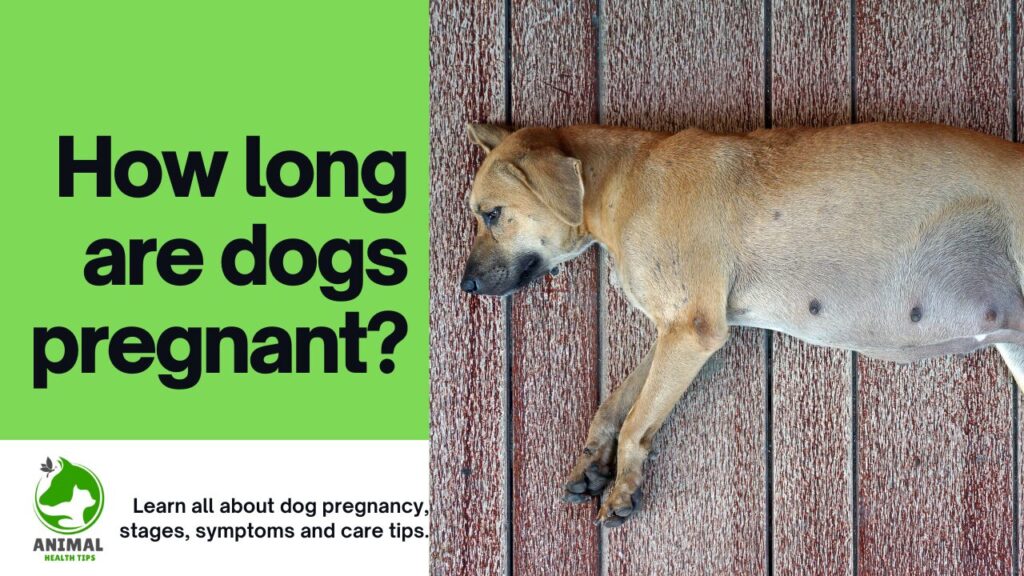
The average length of dog pregnancy, also known as gestation, is 63 days. However, this can vary depending on the breed, size, and health of your dog. Some dogs may deliver their puppies earlier or later than the average, ranging from 58 to 68 days. The only way to know the exact due date of your dog is to visit a veterinarian and get an ultrasound or a blood test.

How Can You Tell If Your Dog Is Pregnant?
There are several ways to tell if your dog is pregnant, but none of them are 100% accurate. The best way to confirm your dog’s pregnancy is to visit a veterinarian and get a professional diagnosis. Here are some of the methods that can help you detect dog pregnancy:
Physical changes:
As your dog’s pregnancy progresses, you may notice some changes in her appearance and behavior. Some of the physical signs of dog pregnancy include:
- Enlarged nipples: Your dog’s nipples may become larger and darker as early as two weeks after conception, as her body prepares for milk production.
- Swollen abdomen: Your dog’s belly may start to swell around the fourth week of pregnancy, as the puppies grow inside her womb.
- Weight gain: Your dog may gain some weight during pregnancy, especially in the last few weeks. The amount of weight gain depends on the number of puppies, the size of your dog, and her diet and exercise.
- Increased appetite: Your dog may eat more than usual to meet the nutritional needs of her and her puppies. You may need to adjust her feeding schedule and portions accordingly.
- Decreased activity: Your dog may become less active and more tired as her pregnancy advances. She may also show less interest in playing, walking, or other activities that she normally enjoys.
- Nesting behavior: Your dog may start to look for a safe and comfortable place to give birth, such as a crate, a closet, or a corner. She may also collect blankets, pillows, toys, or other items to make a nest for her and her puppies.
Hormonal tests:
You can also use hormonal tests to detect dog pregnancy. These tests measure the levels of a hormone called relaxin, which is produced by the placenta and indicates the presence of puppies. You can get these tests from a pet store or online, and use them at home by taking a blood sample from your dog. However, these tests are not very reliable, as they can give false positives or negatives. They are also not very accurate in determining the number of puppies or the due date.
Ultrasound:
An ultrasound is a safe and non-invasive way to confirm dog pregnancy and get more information about the puppies. An ultrasound uses sound waves to create an image of the inside of your dog’s body, and can show the heartbeat, movement, and shape of the puppies. You can get an ultrasound from a veterinarian as early as 21 days after conception, but the best time to get an ultrasound is around the 28th day, when the puppies are more visible and developed.
X-ray:
An X-ray is another way to confirm dog pregnancy and get more information about the puppies. An X-ray uses radiation to create an image of the inside of your dog’s body, and can show the number, size, and position of the puppies. You can get an X-ray from a veterinarian as late as 45 days after conception, when the puppies’ bones are more calcified and visible. However, an X-ray is not recommended for early pregnancy, as it can harm the developing puppies.
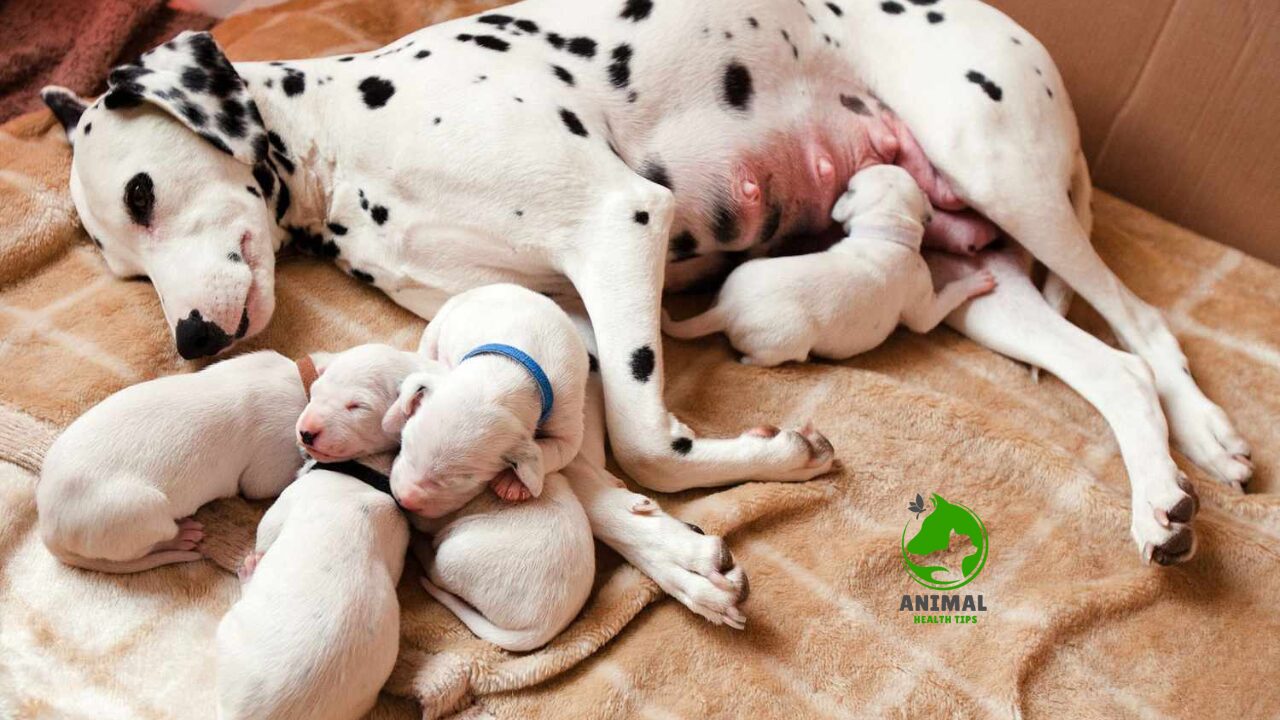
What Are the Signs and Stages of Dog Pregnancy?
Dog pregnancy can be divided into three stages, each lasting about 21 days. Here are the signs and stages of dog pregnancy:
Stage 1:
This is the stage when the fertilized eggs travel to the uterus and implant in the uterine wall. This stage lasts from day 0 to day 21 of pregnancy. During this stage, you may not notice any obvious signs of pregnancy, except for some hormonal changes, such as enlarged nipples, increased appetite, and mood swings. Your dog may also experience some morning sickness, such as vomiting, diarrhea, or loss of appetite, due to the hormonal fluctuations.
Stage 2:
This is the stage when the embryos develop into fetuses and start to grow organs, features, and coat. This stage lasts from day 22 to day 42 of pregnancy. During this stage, you may notice some physical changes, such as swollen abdomen, weight gain, and decreased activity. You may also be able to feel the movement of the puppies by gently pressing on your dog’s belly. This is also the best time to get an ultrasound or an X-ray to confirm the pregnancy and get more information about the puppies.
Stage 3:
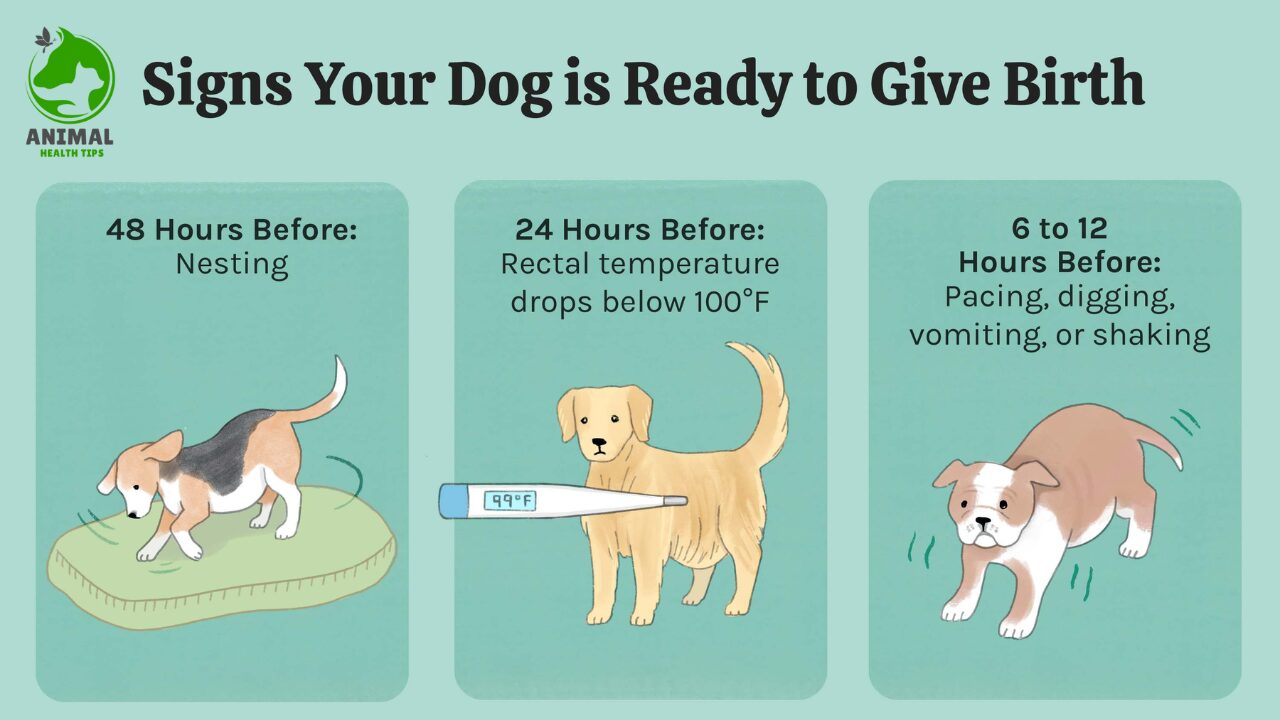
This is the stage when the fetuses mature into puppies and get ready to be born. This stage lasts from day 43 to day 63 of pregnancy. During this stage, you may notice some behavioral changes, such as nesting behavior, restlessness, and anxiety. Your dog may also produce some milk from her nipples, which is a sign that labor is near. You may also notice some changes in your dog’s temperature, breathing, and appetite, which indicate that labor is imminent.
How Can You Care for Your Pregnant Dog and Her Puppies?
Caring for your pregnant dog and her puppies is very important to ensure their health and well-being. Here are some tips on how to care for your pregnant dog and her puppies:
Visit a veterinarian:
As soon as you suspect or confirm that your dog is pregnant, you should visit a veterinarian and get a check-up. Your veterinarian can confirm the pregnancy, estimate the due date, determine the number of puppies, and detect any potential complications or risks. Your veterinarian can also advise you on the proper diet, exercise, and care for your pregnant dog and her puppies.
Provide a balanced diet:
Your pregnant dog needs a balanced diet that meets her and her puppies’ nutritional needs. You should feed your dog a high-quality dog food that is specially formulated for pregnant or nursing dogs, or for puppies. You should also increase the amount of food you give your dog as her pregnancy progresses, especially in the last few weeks. You should avoid giving your dog any human food, supplements, or medications, unless prescribed by your veterinarian.
Ensure adequate exercise:
Your pregnant dog needs adequate exercise to maintain her health and fitness, and to prepare for labor. You should provide your dog with regular, moderate exercise, such as walking, playing, or swimming. You should avoid any strenuous, vigorous, or stressful exercise, such as running, jumping, or fetching. You should also monitor your dog’s activity level and adjust it according to her condition and comfort.
Prepare a whelping box:
A whelping box is a safe and comfortable place where your dog can give birth and nurse her puppies. You should prepare a whelping box at least a week before the due date, and place it in a quiet, warm, and clean area of your home. You should make the whelping box large enough for your dog and her puppies to fit comfortably, and line it with soft and absorbent bedding, such as blankets, towels, or newspapers. You should also provide your dog with some toys, water, and food nearby, and check on her regularly.
Assist with labor and delivery:
Labor and delivery can be a stressful and exhausting process for your dog and her puppies. You should be present and ready to assist your dog with labor and delivery, but avoid interfering unless necessary. You should watch for the signs of labor, such as panting, shivering, digging, or licking. You should also time the contractions and the intervals between the births of the puppies. You should contact your veterinarian if you notice any signs of trouble, such as prolonged labor, excessive bleeding, or weak or stillborn puppies.
Care for the newborn puppies:
Newborn puppies are very fragile and vulnerable, and need constant care and attention. You should check the puppies’ health and vitality, and make sure they are breathing, moving, and nursing. You should also remove the placenta and umbilical cord, and clean and dry the puppies. You should keep the puppies warm and cozy, and avoid handling them too much. You should also monitor the puppies’ growth and development, and weigh them daily. You should contact your veterinarian if you notice any signs of illness, injury, or abnormality in the puppies.
Note:
So in This Post we tell you How Long Are Dogs Pregnant? what points can you think of experienced? Let me know in the comments.
If you found this helpful feel free to share your experience if you can relate to these points and if you are comfortable to share
For More Articles Related to Dogs Health Stay Tuned To our Site