
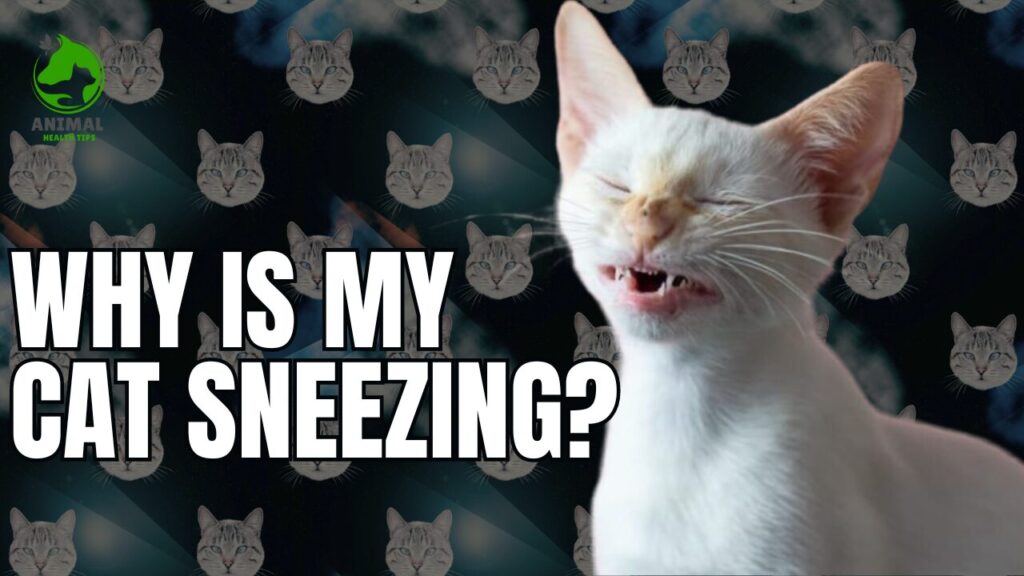
If you have a cat, you may have noticed that sometimes they sneeze, just like humans do. But why is your cat sneezing? Is it a sign of a serious problem or just a normal reaction? In this article, we will explore the possible causes, symptoms, and treatment of cat sneezing, and help you determine when to seek veterinary attention.
In this guide8 sections
What Causes Cat Sneezing?
Cat sneezing can be caused by a variety of factors, ranging from harmless to potentially life-threatening. Some of the most common causes are:
Allergies:
Cats can be allergic to pollen, dust, mold, perfume, smoke, or other environmental irritants. These can trigger an inflammatory response in the cat’s nasal passages, leading to sneezing, itching, and watery eyes.
Irritants:
Cats can also sneeze due to physical irritation of the nose, such as a foreign object, a nasal polyp, a tumor, or a dental problem. These can cause inflammation, pain, and discharge in the nose, and may require surgical removal.
Infections:
Cats can catch viral, bacterial, or fungal infections that affect the respiratory system, such as feline herpesvirus, feline calicivirus, feline chlamydia, feline bordetella, or cryptococcosis. These can cause sneezing, fever, lethargy, loss of appetite, and other symptoms, and may be contagious to other cats or humans.
Other diseases:
Cats can also sneeze due to underlying diseases that affect the immune system, such as feline immunodeficiency virus (FIV), feline leukemia virus (FeLV), or feline infectious peritonitis (FIP). These can make the cat more susceptible to infections and other complications, and may require lifelong treatment or management.
What Are the Symptoms of Cat Sneezing?
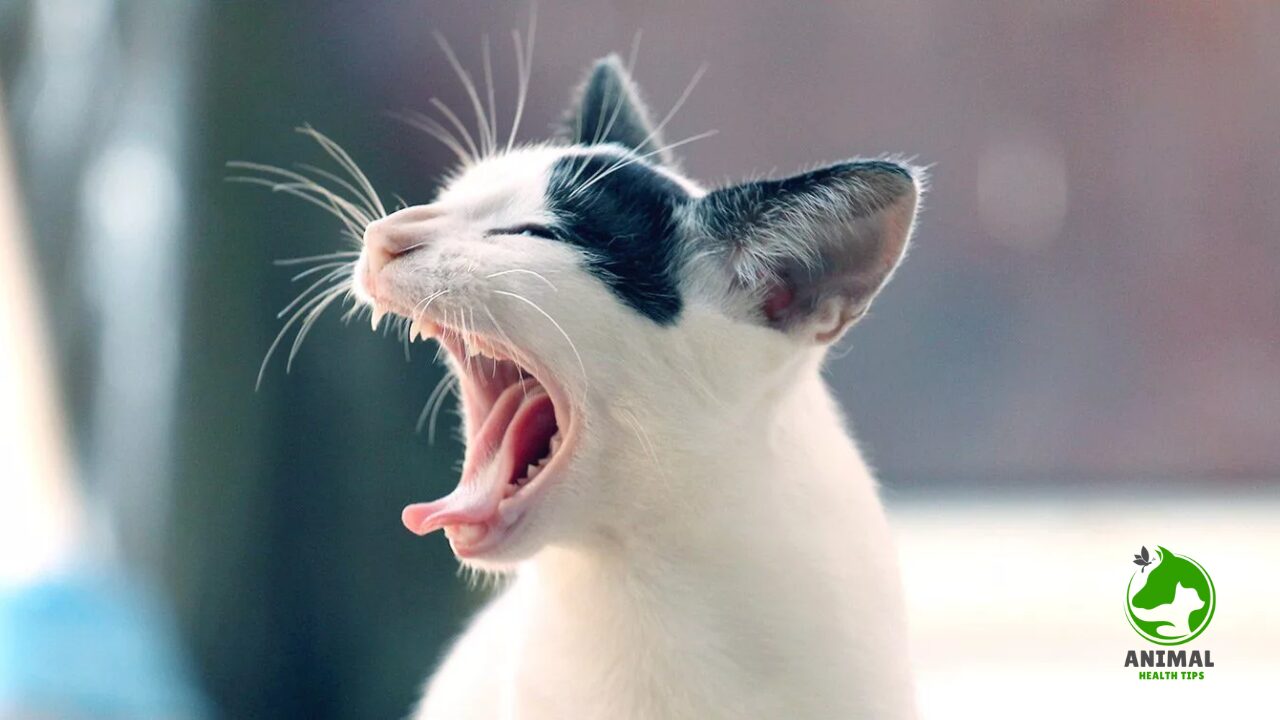
Cat sneezing can be accompanied by other signs and symptoms, depending on the cause and severity of the condition. Some of the common symptoms are:
Nasal discharge:
Cats may have clear, watery, or thick nasal discharge, which can be either one-sided or bilateral. The color and consistency of the discharge can indicate the type of infection or irritation. For example, yellow or green discharge may indicate a bacterial infection, while bloody discharge may indicate a tumor or trauma.
Eye discharge:
Cats may also have eye discharge, which can be clear, watery, or thick, and may affect one or both eyes. The eye discharge can be caused by the same factors as the nasal discharge, or by a separate eye infection or injury. Eye discharge can also lead to conjunctivitis, which is inflammation of the eye membranes, causing redness, swelling, and pain.
Sneezing fits:
Cats may sneeze repeatedly or intermittently, depending on the trigger and the frequency of exposure. Sneezing fits can be triggered by allergens, irritants, or infections, and can last for a few minutes or hours. Sneezing fits can also cause irritation and bleeding in the nose and mouth, and may interfere with the cat’s breathing, eating, and drinking.
Other symptoms:
Cats may also show other signs of illness or discomfort, such as coughing, wheezing, snoring, drooling, gagging, vomiting, diarrhea, weight loss, dehydration, or behavioral changes. These symptoms can indicate a more serious or chronic condition, and may require immediate veterinary attention.
How to Treat Cat Sneezing?
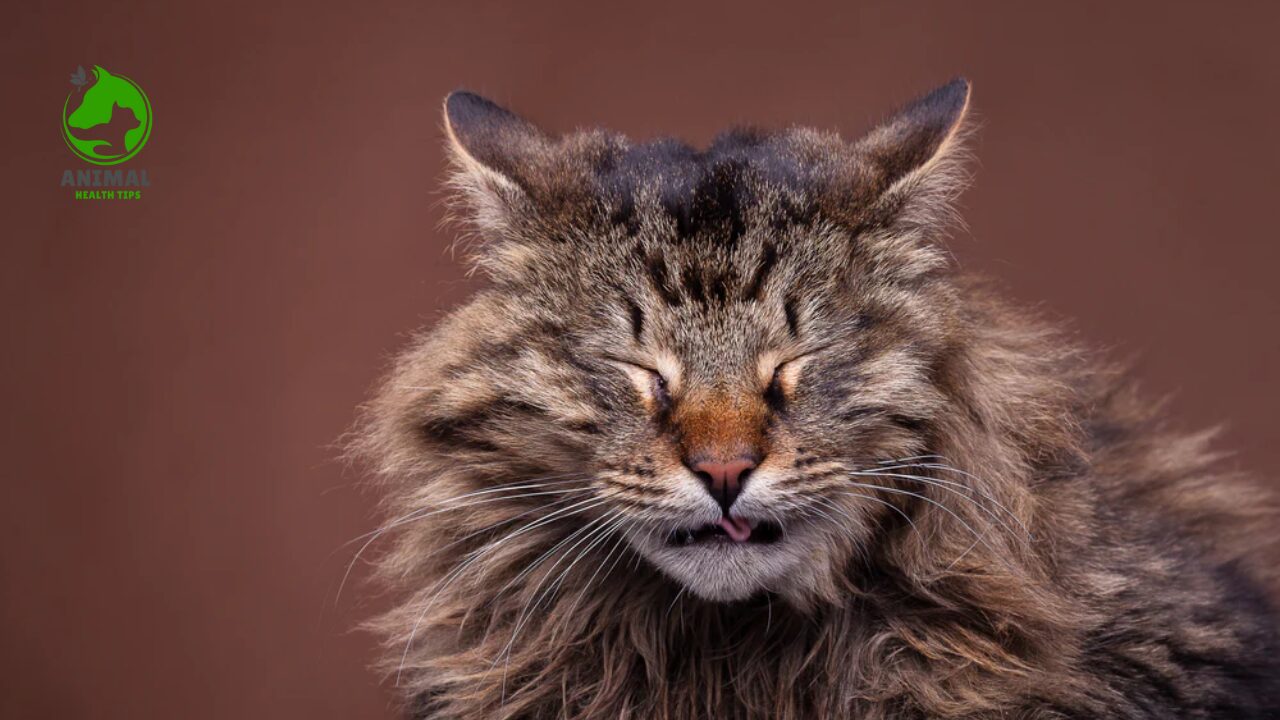
The treatment of cat sneezing depends on the cause and severity of the condition. Some of the possible treatments are:
Home remedies:
For mild or occasional sneezing, you can try some home remedies to soothe your cat’s nose and throat, such as using a humidifier or vaporizer, wiping the nose and eyes with a damp cloth, or offering warm chicken broth or canned food. You can also try to identify and eliminate the source of the allergen or irritant, such as cleaning the house, changing the litter, or avoiding perfume or smoke.
Medications:
For more severe or persistent sneezing, your vet may prescribe medications to treat the underlying infection or inflammation, such as antibiotics, antivirals, antifungals, steroids, antihistamines, or decongestants. These medications can help reduce the sneezing, discharge, and other symptoms, and prevent complications or secondary infections. However, some medications may have side effects or interactions, so follow your vet’s instructions carefully and monitor your cat’s response.
Surgery:
For sneezing caused by a physical obstruction or abnormality, such as a foreign object, a nasal polyp, a tumor, or a dental problem, your vet may recommend surgery to remove the cause and restore the normal function of the nose. Surgery can be a risky and invasive procedure, so your vet will weigh the benefits and risks, and advise you on the best course of action.
When to See a Vet for Cat Sneezing?
Cat sneezing is not always a cause for concern, but it can sometimes indicate a serious or life-threatening condition. You should see a vet for cat sneezing if:
- Your cat sneezes more than usual or for more than a few days
- Your cat has nasal or eye discharge, especially if it is colored, thick, or bloody
- Your cat has other symptoms, such as fever, lethargy, loss of appetite, weight loss, or dehydration
- Your cat has difficulty breathing, eating, or drinking
- Your cat has a history of respiratory or immune system diseases
- Your cat is very young, very old, or pregnant
Your vet will examine your cat’s nose, eyes, mouth, and throat, and may perform tests, such as blood tests, nasal swabs, x-rays, or biopsies, to diagnose the cause of the sneezing. Your vet will then prescribe the appropriate treatment and follow-up care for your cat.
How to Prevent Cat Sneezing?
Cat sneezing can be prevented or reduced by taking some preventive measures, such as:
- Keeping your cat indoors or limiting their exposure to outdoor allergens and irritants
- Keeping your cat away from other cats or animals that may be sick or infected
- Keeping your cat vaccinated and dewormed regularly
- Keeping your cat’s environment clean and hygienic, and changing the litter and bedding frequently
- Providing your cat with fresh water and a balanced diet
- Consulting your vet before giving your cat any medications or supplements
Frequently Asked Questions
Here are some of the frequently asked questions about cat sneezing:
Can cat sneezing be contagious?
Cat sneezing can be contagious if it is caused by an infectious agent, such as a virus, a bacterium, or a fungus. These agents can spread through direct contact, such as sneezing, licking, or grooming, or through indirect contact, such as sharing food, water, or litter. Therefore, if your cat is sneezing, you should isolate them from other cats or animals, and wash your hands and disinfect your clothes and objects after handling them. You should also consult your vet about the risk of transmission to humans, especially if you have a weakened immune system or a respiratory condition.
Can cat sneezing be a sign of stress?
Cat sneezing can be a sign of stress, as stress can weaken the cat’s immune system and make them more prone to infections and allergies. Stress can also trigger or worsen sneezing fits, as the cat may breathe faster or more shallowly, or hyperventilate. Some of the common sources of stress for cats are changes in the environment, such as moving, traveling, or remodeling, changes in the household, such as new pets, new people, or new routines, or lack of stimulation, such as boredom, loneliness, or anxiety. You can help your cat cope with stress by providing them with a safe and comfortable space, a consistent and predictable schedule, and plenty of toys and attention.
Can cat sneezing be a sign of pregnancy?
Cat sneezing can be a sign of pregnancy, as pregnancy can affect the cat’s hormonal levels and immune system, and make them more sensitive to allergens and irritants. Pregnancy can also cause nasal congestion, as the cat’s blood vessels expand and press on the nasal passages. However, cat sneezing is not a reliable indicator of pregnancy, as it can be caused by many other factors, and may not occur in every pregnant cat. Therefore, if you suspect that your cat is pregnant, you should confirm it with your vet, and provide them with the necessary care and support.
Can cat sneezing be a sign of cancer?
Cat sneezing can be a sign of cancer, as cancer can affect the cat’s nose, sinuses, or throat, and cause inflammation, obstruction, or bleeding. Cancer can also affect the cat’s overall health and well-being, and cause symptoms such as weight loss, loss of appetite, lethargy, or pain. However, cat sneezing is not a specific or definitive sign of cancer, as it can be caused by many other benign or treatable conditions, and may not occur in every cat with cancer. Therefore, if you notice any abnormal or persistent sneezing in your cat, you should consult your vet as soon as possible, and rule out any other possible causes.
Conclusion
Cat sneezing is a common and natural phenomenon, but it can also be a symptom of a serious or chronic condition. Therefore, it is important to monitor your cat’s sneezing and other signs of illness, and consult your vet if you have any concerns. By understanding the possible causes, symptoms, and treatment of cat sneezing, you can help your cat breathe easier and live healthier.
Note:
So in This Post, We Tell you About Why Is My Cat Sneezing? what points can you think of/have experienced? Let me know in the comments.
If you found this helpful feel free to share your experience if you can relate to these points and if you are comfortable to share
For More Articles Related to Cats Health Stay Tuned To our Site
1 comment