Are you looking for a cat that is calm, affectionate, and easy to care for? Do you want a cat that has a round face, a thick coat, and a variety of colors and patterns? If you answered yes to these questions, then you might want to consider the British shorthair cat breed.
In this guide10 sections
- History of the British Shorthair
- Personality of the British Shorthair
- Health of the British Shorthair
- Care of the British Shorthair
- Diet and Nutrition of the British Shorthair
- Where to Buy or Adopt a British Shorthair Cat
- Check This Things Before Buy British shorthair
- Frequently Asked Questions
- Conclusion
- Note:
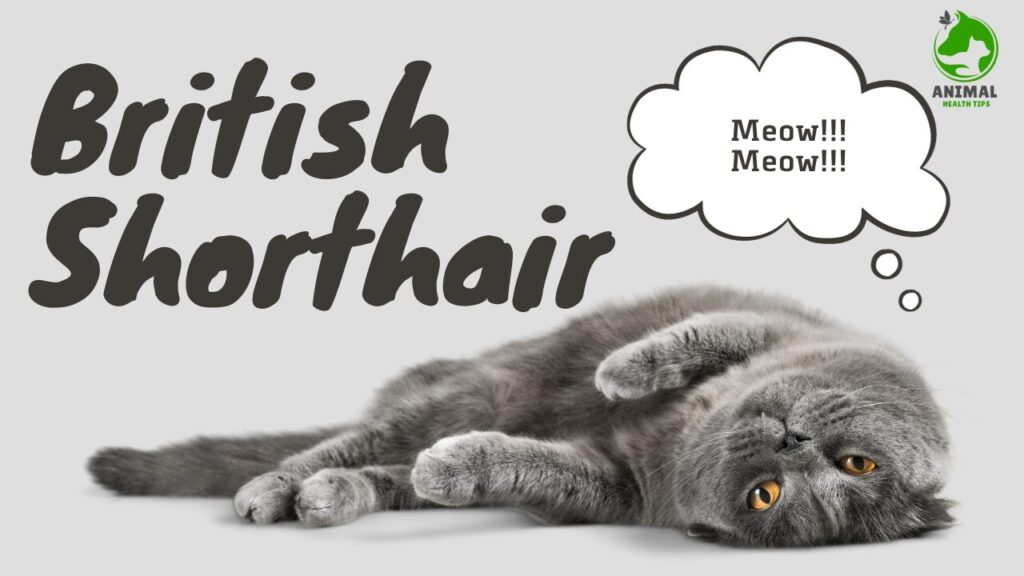
The British shorthair is one of the oldest and most popular cat breeds in the world. It originated in the United Kingdom, where it was the original domestic shorthaired cat. It has a distinctive appearance, with a stocky body, a broad head, and large, round eyes. The most common color is the British blue, which is a solid gray-blue hue, but the breed comes in many other colors and patterns as well.
In this article, you will learn everything you need to know about the British shorthair cat breed, including its history, personality, health, care, and more. You will also find out where to buy or adopt a British shorthair cat, and what questions to ask before you bring one home. By the end of this article, you will be able to decide if the British shorthair is the right cat for you and your family.
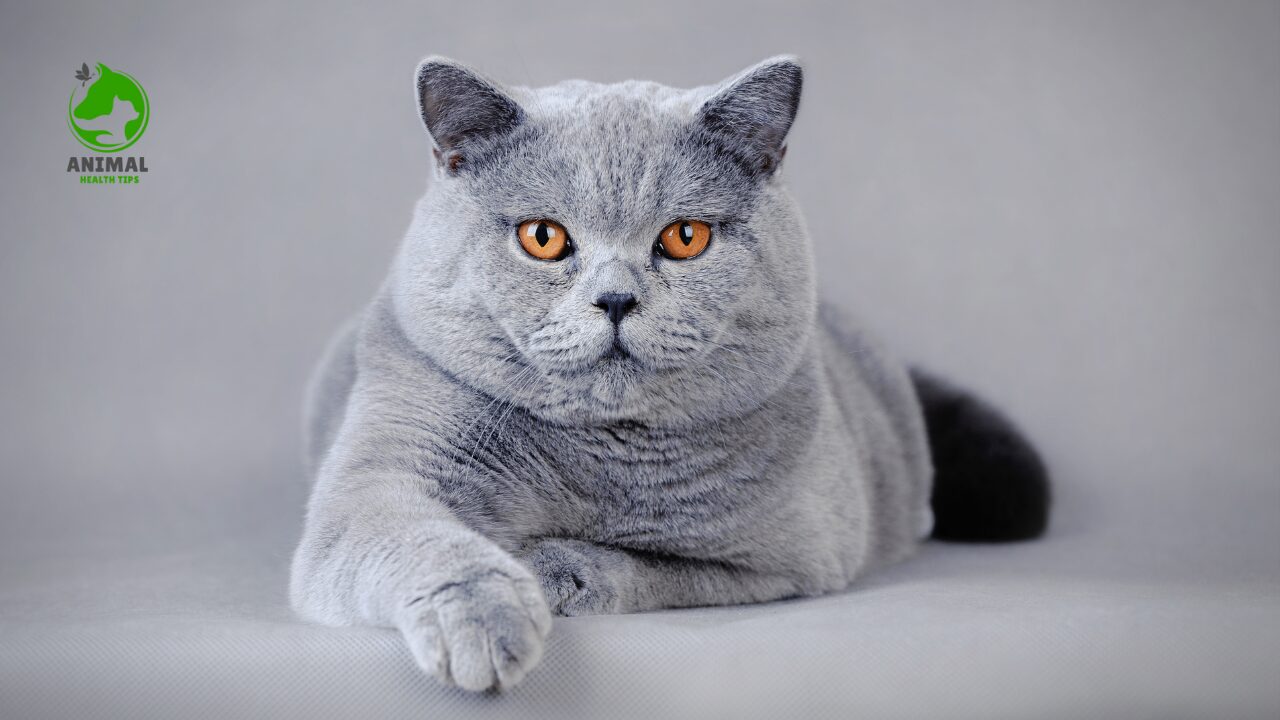
History of the British Shorthair
The British shorthair is one of the most ancient cat breeds in the world. It dates back to the first century AD, when the Romans brought cats to Britain to keep the camps free of rodents and pests. These cats interbred with the local wildcats, creating a new type of cat that was adapted to the harsh climate and environment of the British Isles.
Over the centuries, these cats developed into a distinct breed, with a sturdy body, a thick coat, and a round face. They were valued for their hunting skills, as well as their companionship. They were also depicted in art and literature, such as the famous illustration of the Cheshire Cat from Alice in Wonderland by John Tenniel.
The British shorthair was first recognized as a pedigreed breed in the late 19th century, thanks to the efforts of cat fanciers like Harrison Weir, who organized the first cat show in London in 1871. The breed was initially called the British blue, because of its predominant color, but later expanded to include other colors and patterns.
However, the breed faced a decline in popularity and numbers in the early 20th century, due to the competition from other imported breeds, such as the Persian, and the impact of the two world wars. To save the breed from extinction, British shorthair breeders crossed their cats with Persians and other breeds, introducing new colors and traits.
The British shorthair was revived in the second half of the 20th century, and gained recognition from various cat associations around the world. Today, it is one of the most popular and beloved cat breeds, especially in its native country, where it accounts for a quarter of all registered pedigree cats.
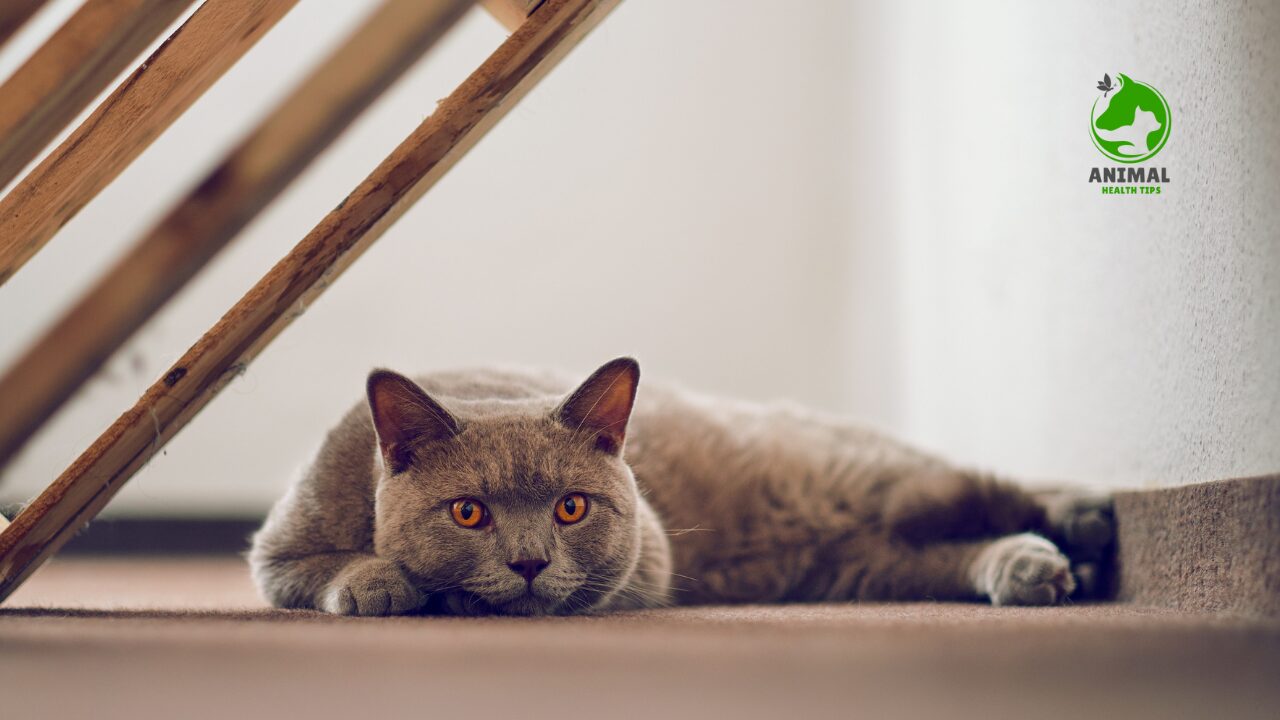
Personality of the British Shorthair
The British shorthair is a cat that is easy to love and live with. It has a sweet and gentle personality, without being needy or clingy. It is affectionate and loyal to its owners, but also independent and self-reliant. It is not a lap cat, but it enjoys being near its humans and following them around the house. It is also tolerant and patient with children and other pets, making it a great family cat.
The British shorthair is not a very vocal cat, but it will communicate with its owners with soft meows and purrs. It is not a very active or playful cat, but it has a curious and intelligent nature, and will enjoy some interactive toys and games. It is also adaptable and easy-going, and can adjust to different lifestyles and environments.
The British shorthair is a cat that is happy and content with the simple things in life, such as a cozy bed, a sunny spot, and a loving owner. It is a cat that will make you smile with its charming and teddy bear-like appearance, and will warm your heart with its affectionate and calm demeanor.
Health of the British Shorthair
The British shorthair is a generally healthy and robust cat breed, with a lifespan of about 12 to 15 years. However, like any other breed, it is prone to some genetic and health issues, such as:
Hypertrophic cardiomyopathy (HCM):
This is a heart disease that causes the thickening of the heart muscle, leading to reduced blood flow and heart failure. It is the most common cause of death in cats, and can affect any breed, but some breeds, such as the British shorthair, are more predisposed to it. There is no cure for HCM, but regular screening and medication can help manage the condition and improve the quality of life of the affected cat.
Polycystic kidney disease (PKD):
This is a kidney disease that causes the formation of cysts in the kidneys, leading to reduced kidney function and kidney failure. It is a hereditary disease that affects some breeds, such as the Persian and the British shorthair. There is no cure for PKD, but regular screening and medication can help slow down the progression of the disease and alleviate the symptoms.
Hemophilia B:
This is a blood disorder that causes the lack of a clotting factor, leading to excessive bleeding and bruising. It is a rare and inherited disease that affects some breeds, such as the British shorthair. There is no cure for hemophilia B, but regular screening and medication can help prevent and treat bleeding episodes.
To prevent or reduce the risk of these and other health problems, it is important to buy or adopt a British shorthair cat from a reputable breeder or a shelter that can provide health certificates and genetic testing for the parents and the kittens. It is also important to provide regular veterinary care, vaccinations, parasite prevention, and spaying or neutering for your British shorthair cat. Additionally, you should provide a balanced and high-quality diet, fresh water, and a clean and safe environment for your British shorthair cat.
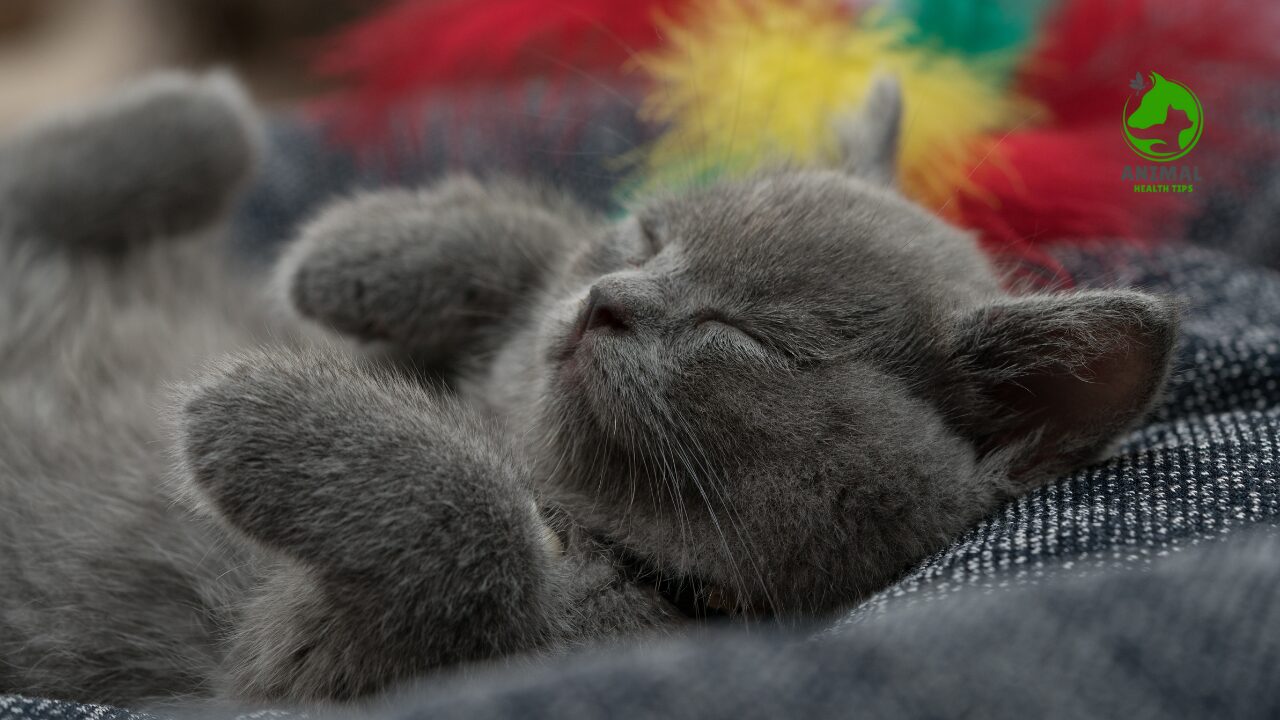
Care of the British Shorthair
The British shorthair is a low-maintenance cat breed, that does not require a lot of grooming or attention. However, it still needs some basic care, such as:
Coat care:
The British shorthair has a short and dense coat, that does not mat or tangle easily. However, it still needs to be brushed once or twice a week, to remove loose hair and dirt, and to distribute the natural oils. This will also help reduce shedding and hairballs, and keep the coat shiny and healthy. During the shedding seasons, in spring and fall, the British shorthair may need more frequent brushing, to remove the excess hair. You should also trim the nails, clean the ears, and brush the teeth of your British shorthair cat regularly, to prevent infections and dental problems.
Exercise:
The British shorthair is not a very energetic or athletic cat, but it still needs some physical activity and mental stimulation, to prevent obesity and boredom. You should provide some toys and games for your British shorthair cat, such as balls, feathers, puzzles, and lasers, and play with it for at least 15 minutes a day. You should also provide some scratching posts and perches for your British shorthair cat, to allow it to exercise its claws and muscles, and to satisfy its natural instincts.
Socialization:
The British shorthair is a sociable and friendly cat, that enjoys the company of its owners and other pets. However, it is not a very outgoing or adventurous cat, and it may be shy or wary of strangers and new situations. You should socialize your British shorthair cat from a young age, by exposing it to different people, animals, sounds, and environments, in a positive and gradual way. This will help your British shorthair cat become more confident and well-adjusted, and to cope better with stress and change.
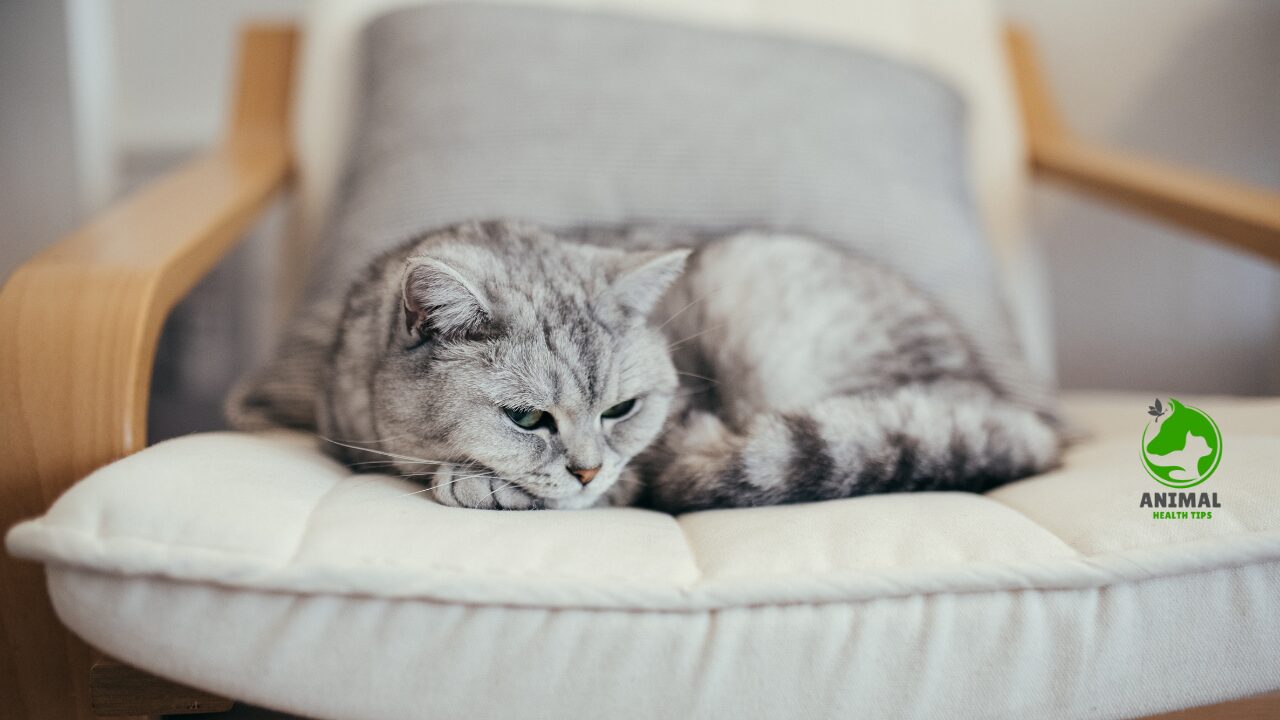
Diet and Nutrition of the British Shorthair
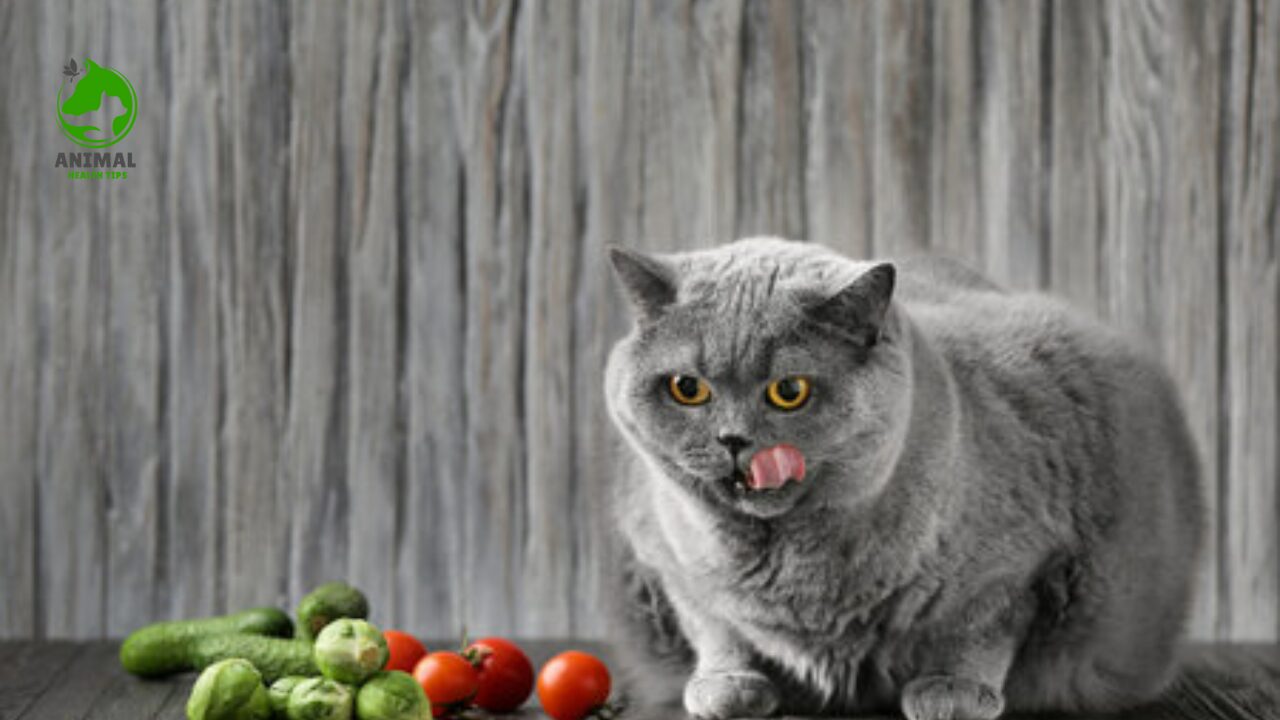
The British shorthair is a medium-to-large-sized cat, that has a moderate appetite and a slow metabolism. It is prone to obesity and related health problems, such as diabetes and arthritis, if it is overfed or under-exercised. Therefore, you should provide a balanced and high-quality diet for your British shorthair cat, that meets its nutritional needs and maintains its ideal weight.
You should choose a cat food that is specially formulated for the British shorthair cat breed, or for medium-to-large-sized cats, or for cats with a low activity level. You should also choose a cat food that is high in protein and low in carbohydrates, and that contains essential vitamins, minerals, and fatty acids, to support the health and well-being of your British shorthair cat. You should avoid cat foods that are high in fillers, by-products, and artificial additives, as they may cause allergies, digestive problems, and other issues for your British shorthair cat.
You should feed your British shorthair cat according to its age, size, activity level, and health condition, and follow the feeding guidelines on the cat food package or the advice of your veterinarian. You should also measure the portions and use a food scale or a measuring cup, to prevent overfeeding or under
feeding or underfeeding your British shorthair cat. You should also provide fresh water for your British shorthair cat at all times, and avoid giving it human food, milk, or treats, as they may cause obesity, allergies, or digestive problems for your British shorthair cat.
Where to Buy or Adopt a British Shorthair Cat
If you are interested in buying or adopting a British shorthair cat, you should do some research and preparation before you make your decision. You should consider the following factors:
Cost:
The British shorthair is a relatively expensive cat breed, with an average price of about $1000 to $2000, depending on the breeder, the location, the color, and the pedigree. You should also factor in the additional costs of owning a cat, such as food, litter, toys, grooming, veterinary care, and insurance, which can amount to about $500 to $1000 per year.
Availability:
The British shorthair is a popular cat breed, but it is not very common or widely available. You may have to wait for a long time, or travel a long distance, to find a reputable breeder or a shelter that has British shorthair cats or kittens available for sale or adoption. You should also be wary of scammers or unethical breeders that may offer British shorthair cats or kittens at a low price, or without health certificates or genetic testing, as they may be selling sick, unhealthy, or mixed-breed cats or kittens.
Commitment:
The British shorthair is a long-lived cat breed, that can live for 12 to 15 years, or even longer. You should be ready to commit to taking care of your British shorthair cat for its entire life, and to provide it with a loving and stable home. You should also be prepared to deal with any potential health or behavioral problems that may arise, and to seek professional help if needed.
Check This Things Before Buy British shorthair
If you have decided that the British shorthair is the right cat for you and your family, you should look for a reputable breeder or a shelter that can provide you with a healthy, happy, and well-socialized British shorthair cat or kitten. You should ask for the following information and documents before you buy or adopt a British shorthair cat:
- Health certificates and genetic testing for the parents and the kittens, to ensure that they are free of any hereditary or infectious diseases, such as HCM, PKD, or hemophilia B.
- Vaccination records and parasite prevention for the kittens, to ensure that they are up to date with their shots and treatments, and that they are protected from any common diseases or parasites.
- Registration papers and pedigree for the kittens, to ensure that they are purebred and registered with a recognized cat association, such as the Cat Fanciers’ Association (CFA), the International Cat Association (TICA), or the Governing Council of the Cat Fancy (GCCF).
- Contract and warranty for the kittens, to ensure that they are sold or adopted with a written agreement that specifies the terms and conditions of the sale or adoption, such as the price, the payment method, the delivery method, the return policy, the spay or neuter policy, and the health guarantee.
You should also visit the breeder or the shelter in person, to see the kittens and their parents, and to check the environment and the conditions that they are raised in. You should look for a clean, spacious, and comfortable place, with adequate food, water, litter, toys, and socialization. You should also look for healthy, friendly, and playful kittens, that are at least 12 weeks old, and that have been weaned, litter trained, and socialized. You should avoid buying or adopting a kitten that is too young, too small, too thin, too shy, or too aggressive, as it may indicate health or behavioral problems.
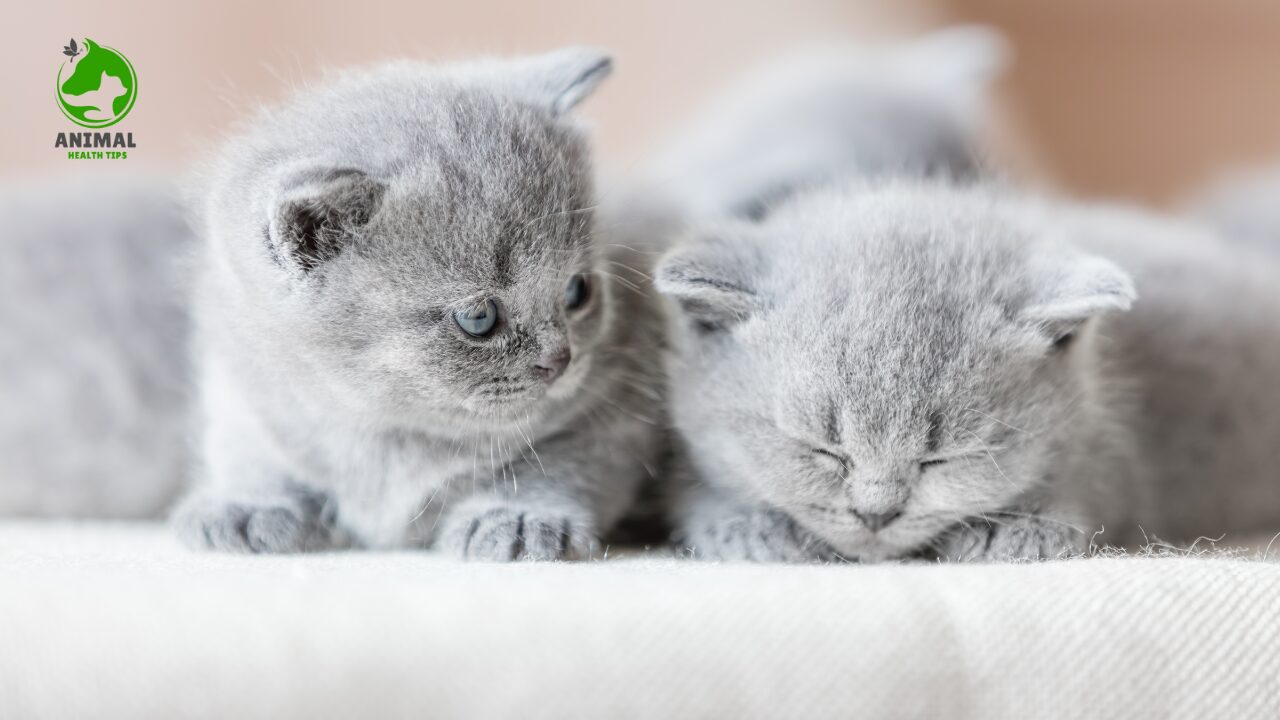
You should also interact with the kittens and their parents, to see their personality and temperament, and to choose the one that matches your preferences and expectations. You should look for a kitten that is curious, confident, and affectionate, and that responds well to your voice, touch, and eye contact. You should also look for a kitten that has a good physical appearance, with a round head, large eyes, a short nose, a strong chin, a stocky body, a thick coat, and a straight tail. You should also look for a kitten that has a color and a pattern that you like, and that is acceptable by the breed standard.
Frequently Asked Questions
Here are some of the most frequently asked questions about the British shorthair cat breed, and their answers:
Q: How big do British shorthair cats get?
A: The British shorthair is a medium-to-large-sized cat breed, that weighs about 9 to 18 pounds, depending on the gender, the diet, and the genetics. The males are usually larger and heavier than the females. The British shorthair has a slow growth rate, and reaches its full size and weight at about 3 to 5 years of age.
Q: How long do British shorthair cats live?
A: The British shorthair is a long-lived cat breed, that has a lifespan of about 12 to 15 years, or even longer, depending on the health, the care, and the genetics. The British shorthair is a generally healthy and robust cat breed, but it is prone to some genetic and health issues, such as HCM, PKD, and hemophilia B, that may affect its longevity and quality of life. To ensure that your British shorthair cat lives a long and happy life, you should provide regular veterinary care, vaccinations, parasite prevention, and spaying or neutering, as well as a balanced and high-quality diet, fresh water, and a clean and safe environment.
Q: How much do British shorthair cats shed?
A: The British shorthair has a short and dense coat, that sheds moderately throughout the year, and more heavily during the shedding seasons, in spring and fall. To reduce shedding and hairballs, and to keep the coat shiny and healthy, you should brush your British shorthair cat once or twice a week, and more frequently during the shedding seasons. You should also provide a supplement of omega-3 and omega-6 fatty acids, to support the skin and coat health of your British shorthair cat.
Q: How much do British shorthair cats cost?
A: The British shorthair is a relatively expensive cat breed, with an average price of about $1000 to $2000, depending on the breeder, the location, the color, and the pedigree. You should also factor in the additional costs of owning a cat, such as food, litter, toys, grooming, veterinary care, and insurance, which can amount to about $500 to $1000 per year. You should also be wary of scammers or unethical breeders that may offer British shorthair cats or kittens at a low price, or without health certificates or genetic testing, as they may be selling sick, unhealthy, or mixed-breed cats or kittens.
Q: Are British shorthair cats hypoallergenic?
A: No, British shorthair cats are not hypoallergenic. There is no such thing as a truly hypoallergenic cat breed, as all cats produce some amount of allergens, such as saliva, urine, and dander, that can trigger allergic reactions in some people. However, some cat breeds, such as the British shorthair, may produce less allergens than others, and may be more suitable for people with mild to moderate allergies. To reduce the risk of allergies, you should keep your British shorthair cat well-groomed, well-fed, and well-hydrated, and keep your home well-ventilated, well-cleaned, and well-filtered. You should also consult your doctor before you buy or adopt a British shorthair cat, and take some precautions, such as washing your hands, avoiding direct contact, and taking medication, if you have severe allergies.
Conclusion
The British shorthair is a cat breed that is easy to love and live with. It has a sweet and gentle personality, without being needy or clingy. It is affectionate and loyal to its owners, but also independent and self-reliant. It is not a lap cat, but it enjoys being near its humans and following them around the house. It is also tolerant and patient with children and other pets, making it a great family cat.
The British shorthair is a cat breed that is easy to care for and maintain. It has a short and dense coat, that does not mat or tangle easily, and that only needs to be brushed once or twice a week. It is not a very energetic or playful cat, but it has a curious and intelligent nature, and will enjoy some interactive toys and games. It is also adaptable and easy-going, and can adjust to different lifestyles and environments.
The British shorthair is a cat breed that is worth the cost and the commitment. It is a relatively expensive cat breed, with an average price of about $1000 to $2000, and an average lifespan of about 12 to 15 years. It is a generally healthy and robust cat breed, but it is prone to some genetic and health issues, such as HCM, PKD, and hemophilia B, that may affect its longevity and quality of life. However, with proper care and attention, the British shorthair can be a healthy, happy, and well-adjusted cat, that will provide you with years of love and companionship.
Note:
So in This Post, We Tell you About British Shorthair what points can you think of/have experienced? Let me know in the comments.
If you found this helpful feel free to share your experience if you can relate to these points and if you are comfortable to share
For More Articles Related to Cats Health Stay Tuned To our Site