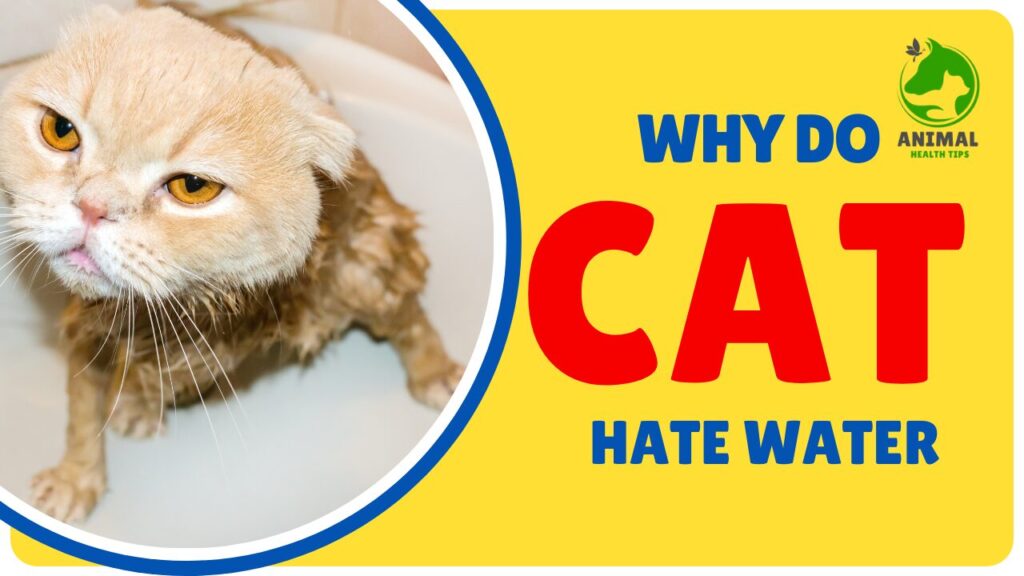
Have you ever wondered why do cats hate water? You might have seen videos of cats freaking out when they get wet, or avoiding water at all costs. But is this behavior universal among all cats? And what is the reason behind it?
In this guide6 sections
In this article, we will explore the fascinating facts and myths about cats and water, and answer some of the most common questions that cat owners have. You will learn:
- Why some cats hate water and others don’t
- How to help your cat get used to water and enjoy bathing
- What are the benefits and risks of bathing your cat
- How to provide your cat with fresh and clean water for drinking

Why Do Some Cats Hate Water?
The answer to this question is not as simple as you might think. There is no definitive reason why cats hate water, but rather a combination of factors that influence their attitude towards it. Some of these factors are:
Genetics:
Some cat breeds, such as the Turkish Van, the Maine Coon, and the Bengal, have a natural affinity for water. They may have evolved this trait from their ancestors who lived near water sources and hunted fish. Other breeds, such as the Persian and the Sphynx, have coats that are not suited for water and may feel uncomfortable when wet.
Experience:
Cats learn from their environment and their mother. If a cat has had a positive or negative experience with water in the past, it may affect their future behavior. For example, a cat that was thrown into water as a kitten may develop a fear of water, while a cat that was gently introduced to water may enjoy it.
Personality:
Just like humans, cats have different personalities and preferences. Some cats are more curious and adventurous than others, and may be more willing to explore water. Some cats are more sensitive and cautious, and may prefer to avoid water.
Temperature:
Cats are very sensitive to temperature changes, and may not like the feeling of cold water on their fur. They may also dislike the sensation of being wet, as it reduces their insulation and makes them feel vulnerable. Cats may prefer warm water, as it mimics their body temperature and relaxes them.
How to Help Your Cat Get Used to Water and Enjoy Bathing
If you want to help your cat get used to water and enjoy bathing, you need to be patient and gentle. Here are some tips to make the process easier and more fun for both of you:
Start early:
The best time to introduce your cat to water is when they are young and curious. Kittens are more adaptable and open to new experiences than adult cats, and may learn to love water if they are exposed to it in a positive way.
Make it fun:
Use toys, treats, and praise to make water a source of fun and reward for your cat. You can play with your cat near a sink, a bathtub, or a fountain, and let them explore the water at their own pace. You can also use a spray bottle to gently mist your cat with water, and reward them with a treat or a toy when they react calmly.
Be gentle:
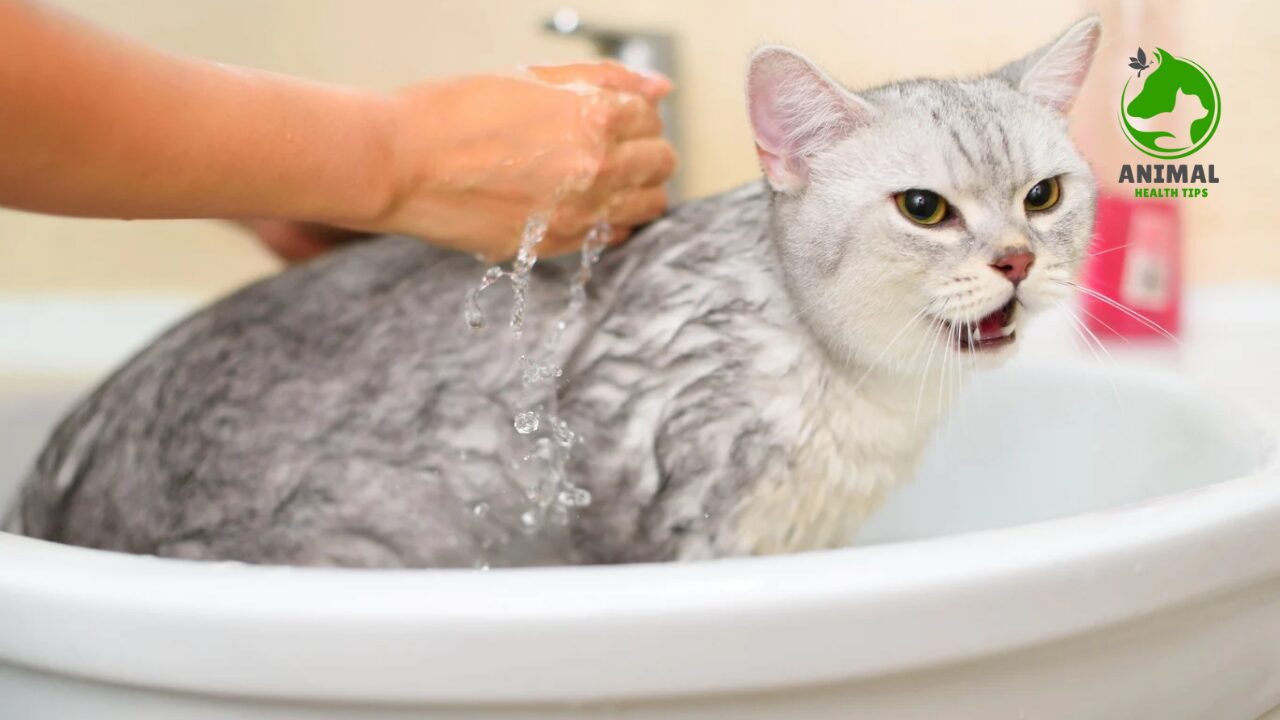
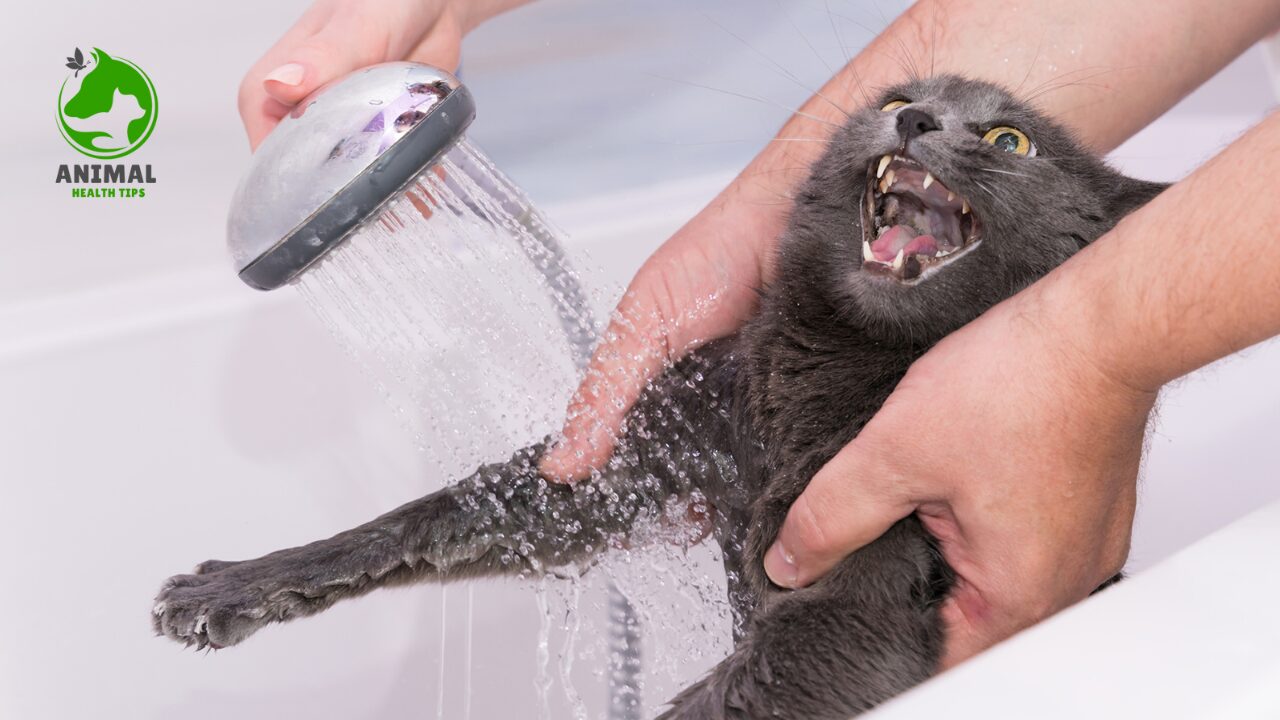
Never force your cat into water or spray them with water against their will. This will only make them more afraid and resistant to water, and damage your bond with them. Instead, let your cat decide how much water they want to interact with, and respect their limits. Use a soft cloth or a sponge to gently wet your cat’s fur, and avoid their face, ears, and eyes.
Use the right products:
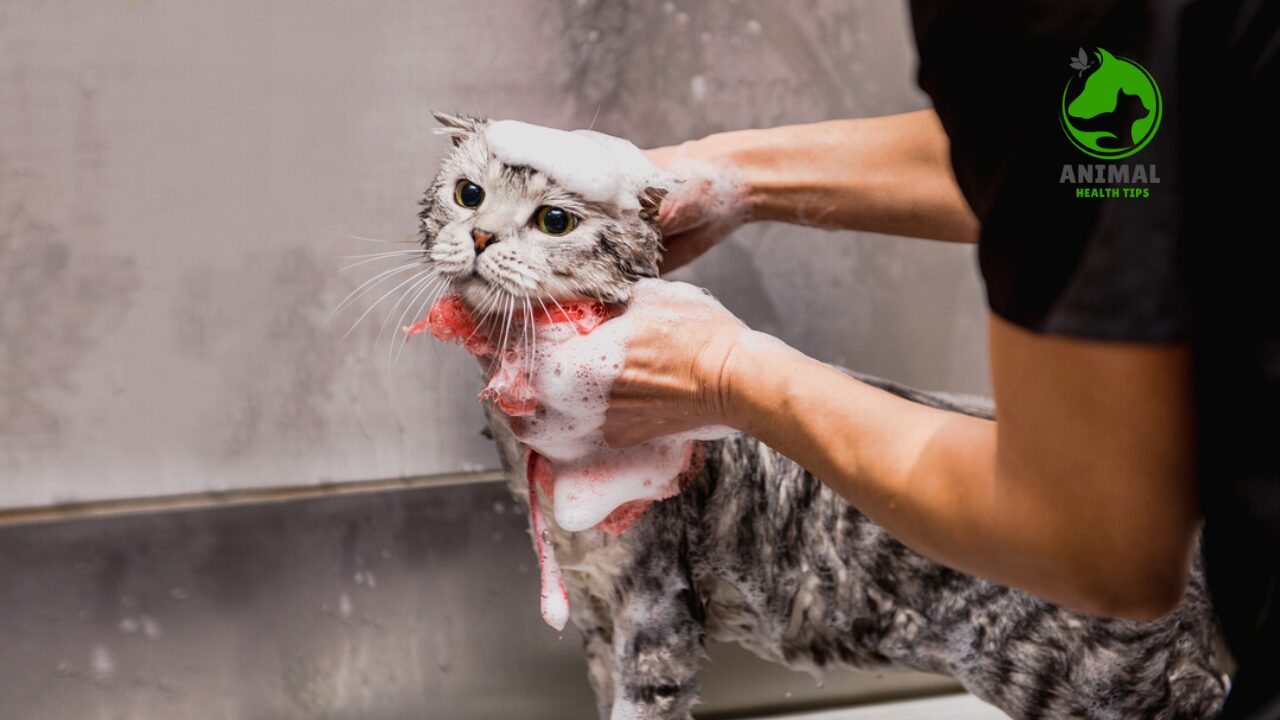
If you need to shampoo your cat, use a product that is specially designed for cats and their skin pH. Avoid human shampoos, as they may irritate your cat’s skin and cause dryness or allergies. Also, use a mild and unscented shampoo, as cats are very sensitive to smells and may dislike strong fragrances.
Dry them well:
After bathing your cat, make sure to dry them well with a towel or a hair dryer. Cats may catch a cold or get sick if they stay wet for too long, especially in cold weather. You can also use a brush to comb your cat’s fur and remove any tangles or mats.
What Are the Benefits and Risks of Bathing Your Cat?
Bathing your cat can have some benefits and risks, depending on your cat’s needs and health. Here are some of the pros and cons of bathing your cat:
Benefits:
- Bathing your cat can help remove dirt, debris, and parasites from their fur and skin, and improve their hygiene and appearance.
- Bathing your cat can help reduce shedding, dander, and hairballs, and prevent matting and tangling of their fur.
- Bathing your cat can help reduce allergies and asthma in humans, as it removes the allergens that cats produce from their saliva and skin.
- Bathing your cat can help soothe skin conditions, such as dermatitis, infections, or allergies, and promote healing and recovery.
Risks:
- Bathing your cat can cause stress and anxiety in your cat, and make them fearful or aggressive towards water and you.
- Bathing your cat can strip their natural oils from their fur and skin, and cause dryness, irritation, or inflammation.
- Bathing your cat can increase the risk of ear infections, as water can get trapped in their ears and create a moist environment for bacteria and fungi to grow.
- Bathing your cat can affect their body temperature regulation, as their wet fur can make them lose heat faster or slower than normal.

How to Provide Your Cat with Fresh and Clean Water for Drinking
One of the most important things you can do for your cat’s health and well-being is to provide them with fresh and clean water for drinking. Cats need water to stay hydrated, regulate their body temperature, flush out toxins, and prevent urinary tract infections and kidney problems. Here are some tips to encourage your cat to drink more water and keep them healthy:
Change the water daily:
Cats are very picky about the quality and taste of their water, and may refuse to drink water that is stale, dirty, or contaminated. Make sure to change the water in your cat’s bowl every day, and wash the bowl regularly to prevent bacteria and algae from growing.
Use multiple bowls:
Cats may have different preferences for the type and location of their water sources, and may avoid drinking from a bowl that is too close to their food, litter box, or other cats. To ensure that your cat has access to water at all times, place multiple bowls around your home, and use different materials, such as ceramic, stainless steel, or glass, to avoid plastic odors or chemicals.
Use a fountain:
Some cats prefer running water, as it mimics their natural instincts and attracts their curiosity. A fountain can provide your cat with fresh and filtered water that is constantly moving and aerated, and stimulate their senses and interest. You can choose from different models and sizes of fountains, and find one that suits your cat’s needs and personality.
Add flavor:
Some cats may not like the taste of plain water, and may need some flavor to entice them to drink more. You can add some flavor to your cat’s water by mixing in some tuna juice, chicken broth, or catnip tea, and see what your cat likes best. However, avoid adding any salt, sugar, or artificial ingredients, as they may harm your cat’s health.
Monitor your cat’s intake:
It is important to keep track of how much water your cat drinks, and notice any changes or signs of dehydration. A healthy cat should drink about one ounce of water per pound of body weight per day, but this may vary depending on their age, activity level, diet, and health condition. Some signs of dehydration in cats are:
- Dry mouth and nose
- Sunken eyes
- Lethargy and weakness
- Loss of appetite
- Reduced urine output or dark urine
- Skin elasticity test: gently pinch the skin on the back of your cat’s neck and release it. If the skin snaps back quickly, your cat is well hydrated. If the skin stays up or goes back slowly, your cat is dehydrated.
If you notice any of these signs, or suspect that your cat is not drinking enough water, contact your veterinarian immediately, as dehydration can lead to serious complications and even death.
Frequently Asked Questions
Do cats need baths?
Most cats do not need baths, as they groom themselves regularly and keep their fur and skin clean. However, some cats may need baths occasionally, such as:
- Long-haired cats, who may have trouble maintaining their fur and need help with brushing and detangling
- Outdoor cats, who may get dirty, muddy, or exposed to parasites or toxins
- Elderly, obese, or sick cats, who may have difficulty grooming themselves and need assistance
- Hairless cats, who may need baths to remove the excess oil from their skin
The frequency of bathing your cat depends on your cat’s needs and preferences. Some cats may enjoy bathing and tolerate it well, while others may hate it and resist it. As a general rule, you should bathe your cat only when necessary, and not more than once a month, to avoid causing stress or skin problems.
Note:
So in This Post We Talk About, Why Do Cats Hate Water? what points can you think of/have experienced? Let me know in the comments.
If you found this helpful feel free to share your experience if you can relate to these points and if you are comfortable to share
For More Articles Related to Cats Health Stay Tuned To our Site