
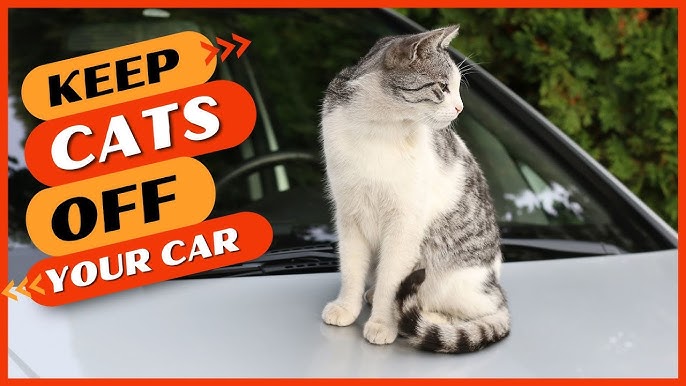
Cats perched on car hoods or curled up near tires may seem like a charming scene for cat lovers, but for car enthusiasts, this sight tells a different story. The warmth of your engine or the elevated perch of your car can tempt our feline friends to climb aboard, but their playful—and sometimes sharp—antics can lead to scratches, paw prints, or worse. Balancing an appreciation for our furry companions with the desire to protect our valuable vehicles is an art worth mastering.
In this guide6 sections
Whether you’re a dedicated cat parent or a car enthusiast hoping to keep your ride pristine, this guide offers elegant, humane solutions to ensure both your cats and car stay safe.
Why Are Cats Attracted to Cars?
To understand how to deter cats effectively, we first need to explore why they’re drawn to cars in the first place. It’s not a random choice; the answer lies in a blend of biology and comfort.
Territorial Curiosity
Cats are innate explorers with heightened territorial instincts. Your car, especially if parked outdoors, becomes a part of their environment. Its unfamiliar scent or reflective surface can spark curiosity, leading them to investigate and mark it as part of their domain.
The Lure of Warmth
The engine’s heat after a drive is like an irresistible warm hug for cats—especially during colder months. They find comfort lounging on hoods or squeezing into tight spots near engines, seeking the cozy warmth only a recently run car can offer.
Play and Protection
Cars also provide a high vantage point, allowing cats to observe their surroundings from safety. For strays or outdoor cats, the surface of a car might even feel like a shelter—safe from curious dogs or other threats.
By recognizing these motivations, we can craft effective deterrents that don’t harm our feline friends.
The Risks and Damages Cats Can Cause
While cats’ car encounters might feel whimsical at first, they come with their fair share of risks—for both the car and the cat. Here’s what you need to know.
Potential Damage to Cars
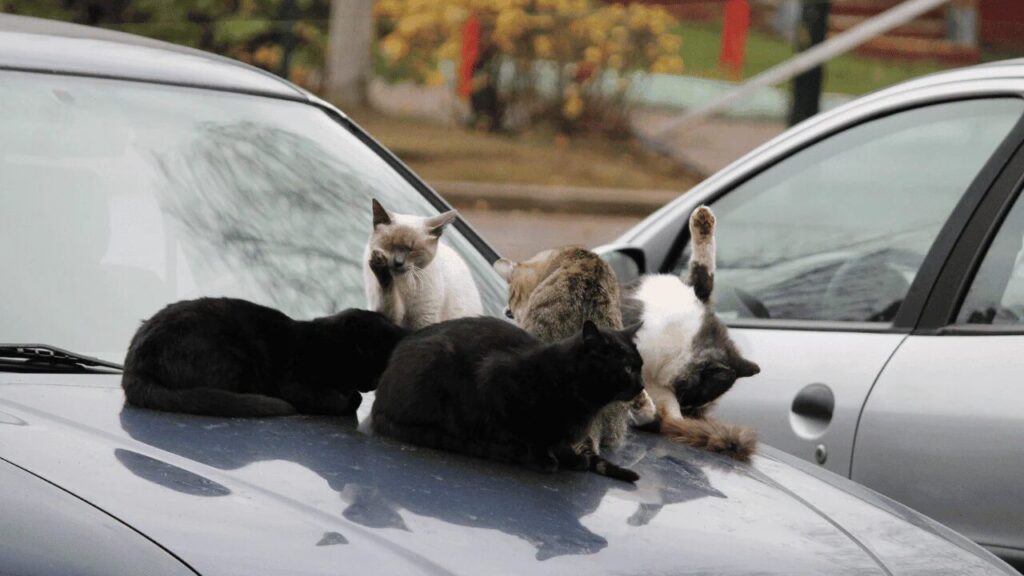
Sharp claws skittering across your hood or roof can leave behind fine scratches in the paintwork. Footprints may sound harmless, but over time, oils from their paw pads can lead to unsightly marks. Beyond aesthetics, cats trying to get underneath your car might inadvertently damage wirings or components.
Safety Concerns for Cats
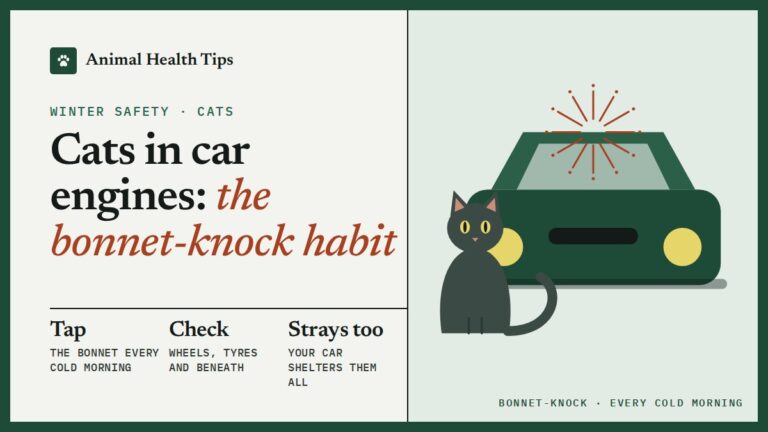
The risks extend beyond vehicle damage to the safety of the cats themselves. A cat seeking warmth near the engine may hide under the hood. When the car is started, this can lead to tragic accidents, making it crucial to check around and under your car if cats are a common visitor.
Effective and Humane Deterrents
The ultimate goal is to create deterrents that protect your car while respecting the natural curiosity of cats. Here are some proven, humane strategies:
1. Scent-Based Repellents
- Cats are sensitive to certain smells. Citrus (orange or lemon peels), vinegar, and essential oils like lavender or peppermint are natural deterrents.
- You can make a DIY spray by mixing citrus juice with water and lightly misting your car cover or near the tires.
Tip: Avoid overly strong essential oils, as they can be harmful to cats if ingested directly.
2. Ultrasonic Devices
- Ultrasonic cat deterrents emit high-frequency sounds unpleasant to cats but inaudible to humans. These devices are motion-activated and easy to set up around your parking area.
- Make sure to choose devices aimed specifically at cats for effectiveness.
3. Physical Barriers
- Invest in a durable car cover. Not only does this protect from scratches, but it also makes the surface less inviting for cats to hop onto.
- For areas around your car, install fencing, netting, or spiky strips (designed specifically to deter cats without harm). Place them on fences or nearby ledges.
4. Home Remedies
- If you don’t want to spend on fancy gadgets, try aluminum foil! Cats dislike the feeling under their paws, making this a simple material to lay over problem areas when the car is parked.
Consistency is key—mixing and matching deterrents will often yield the best results.
Creating a Cat-Friendly Environment
Once you’ve made your car less appealing, consider offering alternative options for cats. A stimulating environment can work wonders in diverting their attention.
Build Cat Shelters
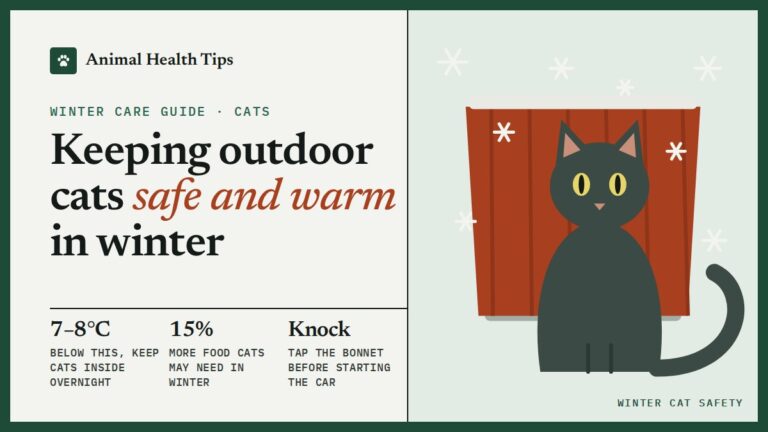
Provide a dedicated warm spot outdoors for cats to rest. Think small, cozy DIY shelters lined with blankets or insulated material. Place these away from your car to shift their focus.
Entertain With Play Areas
Cats need mental stimulation. Outdoor cat trees, scratching posts, or cat-friendly toys will keep them entertained in their designated play zone instead of near your parking space.
Offer a Feeding Station
For strays, setting up a feeding station consistently away from your car can minimize the chances of them wandering near your vehicle for comfort.
The Role of Community in Managing Cats
You’re not alone in your efforts. Cat-friendly and car-safe environments thrive when there’s collective responsibility.
Responsible Cat Ownership
If you’re a cat owner, spaying and neutering outdoor cats ensures they’re less likely to expand their territory. Microchipping is also an excellent option to keep track of wandering animals.
Engaging the Community
Work with neighbors to identify and care for stray populations. Local cat rescue groups and animal welfare organizations often provide resources for stray management, including trap-neuter-return (TNR) programs.
Shared Deterrents
Communities can invest in shared deterrent solutions, like motion-activated sprinklers or ultrasonic devices, to keep certain spaces cat-free.
Building a Balanced Sanctuary for Cats and Cars
The dance between cats and cars shouldn’t feel like a battle. With just a bit of creativity and care, it’s entirely possible to protect your vehicle from scratches while ensuring our furry friends remain safe and happy.
Take action today by assessing your parking space and implementing these humane strategies. Whether you start with environment-friendly repellents or create a cozy shelter, every step contributes to a harmonious coexistence between sleek cars and playful cats.
If you’ve found solutions that work wonders for you, share your experiences in the comments below—we’d love to hear from you. Together, we can build a world that’s cat-friendly and car-safe.
1 comment