Cats are known for their meticulous grooming habits. They spend hours licking their fur, paws, and even their faces. But why do cats lick themselves so much? Is it just a way of keeping clean, or is there more to it? In this article, we will explore the science behind cat grooming, and answer some common questions that cat owners may have, such as:
In this guide7 sections
How Do Cats Lick Themselves?
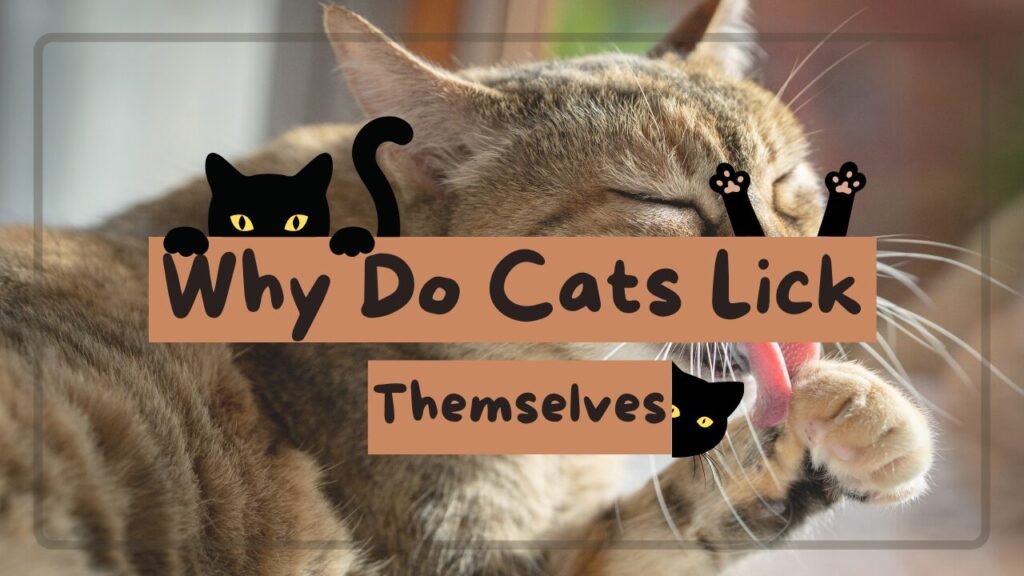
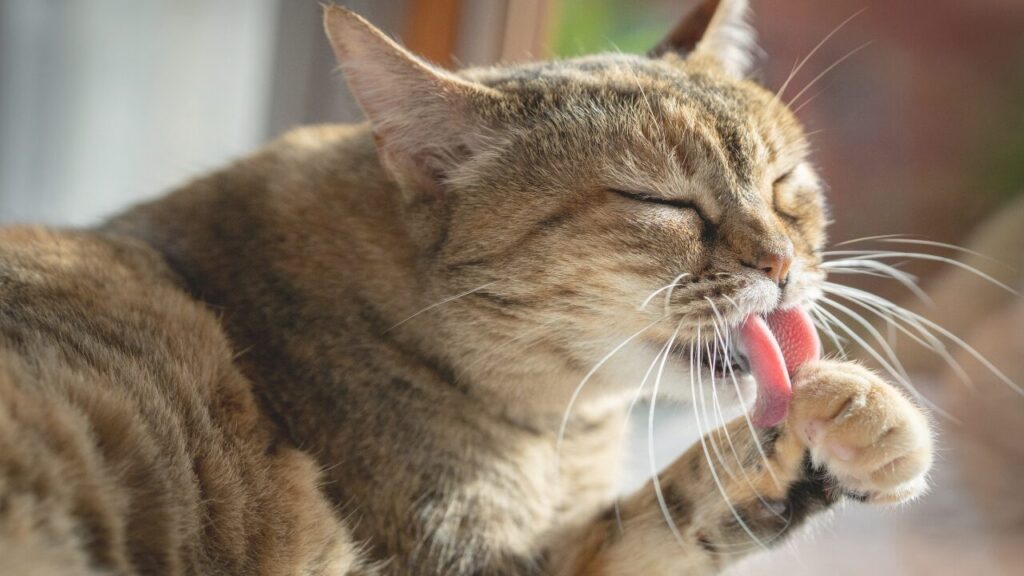
Cats lick themselves using their tongue, which is covered with tiny, backward-facing barbs called papillae. These papillae act like a comb, helping cats to remove dirt, debris, loose hair, and parasites from their fur. They also help cats to spread their saliva, which contains enzymes and antibodies that protect their skin and coat.
Cats also use their paws to groom themselves, especially their face and ears. They wet their paws with saliva and then rub them over their eyes, nose, mouth, and ears. This helps them to clean these sensitive areas, as well as to mark them with their scent.
What Are the Benefits of Cat Grooming?
Cat grooming has many benefits for cats, both physical and psychological. Some of the benefits are:
Keeping clean and healthy:
Cat grooming helps cats to remove dirt, bacteria, and parasites from their fur and skin, preventing infections and diseases. It also helps them to regulate their body temperature, as their saliva evaporates and cools them down.
Reducing stress and anxiety:
Cat grooming is a soothing and relaxing activity for cats, as it releases endorphins, the hormones that make them feel happy and calm. It also helps them to cope with stressful situations, such as changes in their environment, new people or animals, or loud noises.
Strengthening social bonds:
Cat grooming is a way of expressing affection and trust among cats. Cats often groom each other, especially those that are close or related. This is called allogrooming, and it helps cats to maintain their social hierarchy, as well as to exchange scents and reinforce their group identity.
Maintaining their appearance:
Cat grooming helps cats to keep their fur smooth, shiny, and fluffy, which enhances their beauty and attractiveness. It also helps them to communicate their mood and intentions, as their fur can indicate their emotions, such as fear, anger, or happiness.

How Often Should Cats Groom Themselves?
Cats groom themselves several times a day, depending on their age, breed, health, and lifestyle. On average, cats spend about 15% of their waking hours grooming themselves, which amounts to about 4 hours a day.
However, some factors may affect how often cats groom themselves, such as:
The weather:
Cats tend to groom themselves more when it is hot, as it helps them to cool down and stay comfortable. They may also groom themselves more when it is cold, as it helps them to fluff up their fur and retain heat.
The season:
Cats tend to groom themselves more during the shedding seasons, which are spring and autumn. This is because they need to remove the excess hair that they lose during these periods, and prevent hairballs from forming in their stomachs.
The diet:
Cats that eat a balanced and nutritious diet tend to groom themselves less, as their fur and skin are healthier and require less maintenance. Cats that eat a poor or inappropriate diet may groom themselves more, as their fur and skin may be dry, dull, or irritated.
The activity level:
Cats that are active and playful tend to groom themselves less, as they spend more time exploring and having fun. Cats that are inactive and bored may groom themselves more, as they have nothing else to do and seek stimulation.
What Are the Signs of Excessive or Abnormal Grooming in Cats?
While grooming is a normal and healthy behavior for cats, sometimes it can become excessive or abnormal, indicating a problem. Some of the signs of excessive or abnormal grooming in cats are:
Bald patches or sores:
If a cat licks or bites a certain area of their fur too much, they may cause hair loss or skin damage, resulting in bald patches or sores. This can be painful and prone to infection, and may require veterinary attention.
Changes in grooming patterns:
If a cat suddenly starts grooming themselves more or less than usual, or stops grooming themselves altogether, it may indicate a physical or mental issue. For example, a cat that grooms themselves more may be suffering from pain, itching, or stress, while a cat that grooms themselves less may be depressed, sick, or elderly.
Grooming other objects or people:
If a cat starts grooming other objects or people, such as furniture, toys, or their owner, it may indicate a behavioral problem. For example, a cat that grooms their owner excessively may be seeking attention, affection, or reassurance, while a cat that grooms their toys excessively may be bored, frustrated, or lonely.
How Can You Help Your Cat With Grooming?
As a cat owner, you can help your cat with grooming by following these tips:
Brush your cat regularly:
Brushing your cat helps them to remove loose hair, dirt, and tangles from their fur, and prevents hairballs from forming. It also stimulates their blood circulation and distributes their natural oils, making their fur shiny and healthy. You should brush your cat at least once a week, using a suitable brush or comb for their fur type and length.
Check your cat for parasites:
Checking your cat for parasites, such as fleas, ticks, or mites, helps them to avoid infections and diseases. You should check your cat at least once a month, especially if they go outdoors, and use a flea comb or a magnifying glass to look for signs of infestation. You should also use a preventive treatment, such as a spot-on or a collar, to protect your cat from parasites.
Trim your cat’s nails:
Trimming your cat’s nails helps them to avoid injuries and damage to their paws, as well as to your furniture and belongings. You should trim your cat’s nails every few weeks, using a cat nail clipper or a scissor, and being careful not to cut the quick, the pink part of the nail that contains blood vessels and nerves.
Clean your cat’s ears and eyes:
Cleaning your cat’s ears and eyes helps them to avoid infections and irritations, and to maintain their vision and hearing. You should clean your cat’s ears and eyes every few weeks, using a cotton ball or a soft cloth moistened with warm water or a special solution, and gently wiping the dirt or discharge from the outer parts of the ears and eyes.
Bathe your cat occasionally:
Bathing your cat helps them to remove stubborn dirt, grease, or odors from their fur, and to treat certain skin conditions or allergies. However, most cats do not need to be bathed regularly, as they can keep themselves clean with their tongue and saliva. You should only bathe your cat occasionally, when necessary, using a mild cat shampoo and warm water, and drying them thoroughly afterwards.

Frequently Asked Questions
Cats lick each other to express affection and trust, and to maintain their social bonds and group identity. This is called allogrooming, and it is more common among cats that are close or related.
Cats lick their owners to show love and gratitude, and to mark them with their scent. This is a sign of a strong bond between a cat and their owner, and it should be appreciated and reciprocated.
Cats lick plastic because they are attracted by its smell, taste, or texture, or because they are bored, stressed, or curious. However, licking plastic can be harmful for cats, as it can cause choking, intestinal blockage, or poisoning. Therefore, cat owners should keep plastic away from their cats, and provide them with safe and appropriate toys and activities.
Note:
So in This Post, Why Do Cats Lick Themselves? what points can you think of/have experienced? Let me know in the comments.
If you found this helpful feel free to share your experience if you can relate to these points and if you are comfortable to share
For More Articles Related to Cats Health Stay Tuned To our Site