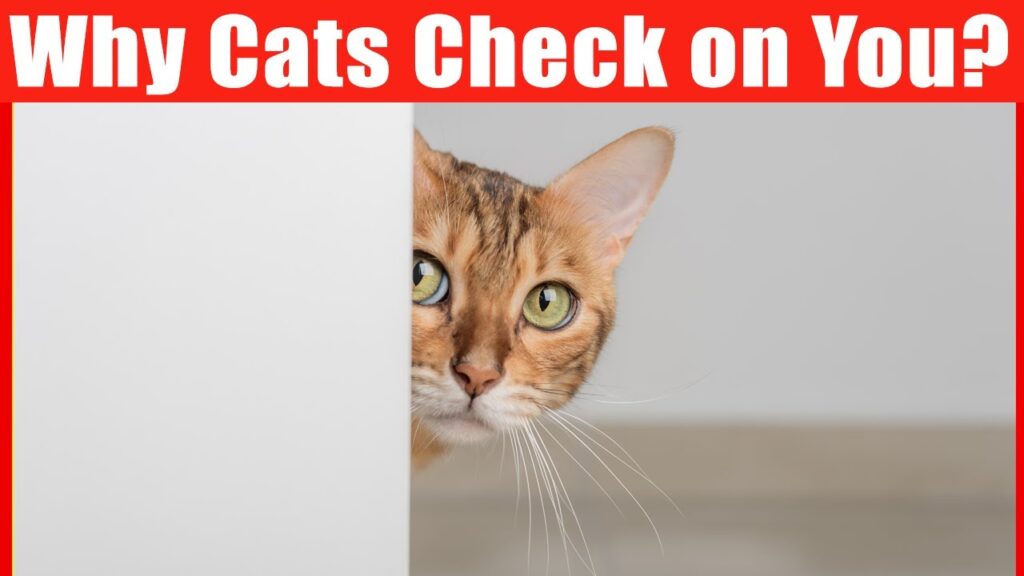
Cats are renowned for their enigmatic behaviour, blending independence with curious, sometimes peculiar habits. Among these, one that stands out to many cat owners is their cat’s tendency to “check on” them. Whether it’s appearing suddenly in doorways, surveying activities from a vantage point, or following their owners from room to room, this behaviour raises an intriguing question—why do cats feel the need to monitor their humans?
In this guide6 sections
This post explores the fascinating world of feline behaviour, seeking to explain this mysterious trait. We’ll discuss cats’ nature, the factors influencing their actions, the emotional bond they share with their owners, and how to interpret the subtleties of their behaviour. Additionally, we’ll share practical tips for understanding your cat better and real-life stories that highlight the incredible connection between cats and humans.
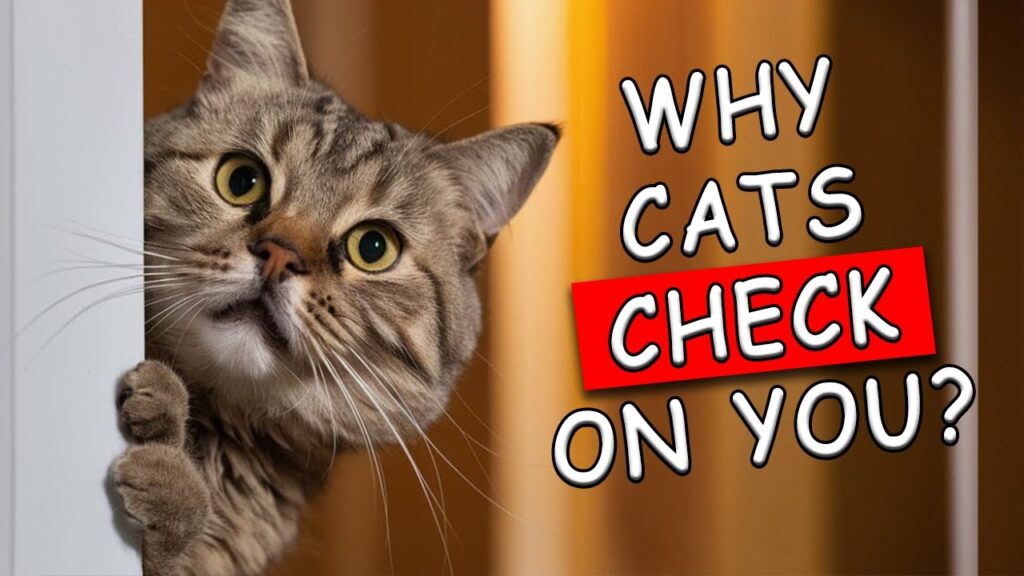
Understanding the Nature of Cats
To understand why cats check on their owners, it’s essential to explore their underlying behavioural traits, rooted in their unique evolutionary history. Unlike dogs, who evolved to integrate into pack communities, cats descended from solitary hunters. This difference shaped not only their behaviour but also how they express attachment and curiosity.
A Combination of Independence and Vigilance
Cats maintain a dual personality of independence and alertness. Their natural instincts drive them to be cautious and observant of their surroundings. This vigilance, while a survival trait in wild environments, translates into behaviours such as regularly “checking in” within the safety of a domestic environment.
Expression of Territorial Behaviour
Cats are territorial by nature and develop a strong attachment to their space and the creatures within it—including their humans. Checking up on their owners can be a demonstration of their desire to maintain oversight of their territory.
Curiosity as a Defining Trait
Felines are inherently inquisitive animals, always seeking to understand what’s happening around them. Their tendency to investigate and check on their owners could stem from a desire to ensure everything in their environment is in order.
Factors Influencing a Cat’s Behaviour
Several factors influence why cats repeatedly check on their owners, ranging from innate instincts to emotional connections. Understanding these can provide context for this intriguing behaviour.
Social Tendencies and Attachment
While cats are often perceived as aloof, many are social animals who form strong emotional bonds with their human companions. Checking on owners can be an expression of this closeness, as they seek reassurance and connection.
Monitoring the Environment
Cats may also exhibit “checking” behaviour to ensure their environment remains stable. A sudden change in their owner’s routine or activities may prompt them to keep a closer watch out of curiosity or as a means of feeling secure.
Health Awareness
Interestingly, cats are highly adept at sensing physical or emotional distress in their humans. Their heightened perception allows them to detect subtle changes in body language, tone of voice, or even scent. Repeated visits might be their way of expressing concern or offering comfort.
The Bond Between Cats and Their Owners
The bond between cats and their owners is both unique and profound. While they express their affection differently from dogs, cats are deeply sensitive to their owners’ emotions and routines. This connection often manifests in behaviours like rubbing against legs, gentle headbutts, or, of course, periodic check-ins.
Emotional Reciprocity
Research has shown that cats form secure attachments with their owners, similar to the attachment seen between human infants and caregivers. They may check on their owners as a way of maintaining this bond and feeling emotionally secure.
Mimicking Cooperative Behaviour
Although cats are solitary hunters, domestication has led to increased cooperative behaviours with humans. Checking on their owners might mimic the idea of communal vigilance—ensuring mutual safety in a shared space.
Practical Tips for Cat Owners
Understanding and interpreting a cat’s behaviour requires observation and patience. By paying attention to the nuances of their actions, you can respond appropriately and strengthen your relationship.
Recognising Signs of Distress or Illness
If your cat begins checking on you more frequently than usual, it could signal distress or illness. Look for other symptoms, such as changes in appetite, behaviour, or grooming habits, and consult a vet if needed.
Encouraging Positive Interactions
Reward your cat’s curiosity and checking behaviour with positive interactions, such as pets, treats, or playful engagement. This reinforces their sense of security and trust.
Providing Mental and Physical Stimulation
Cats are intelligent creatures that require activity to stay mentally sharp. Offering toys, interactive puzzles, or window perches can keep their minds active and provide alternative outlets for their curiosity.
Real-Life Stories of Cat-Owner Bonds
Countless cat owners have shared anecdotes where their feline’s habit of checking translated into profound emotional support or even life-saving actions. For instance, one cat owner, Jane, recalled how her typically reserved cat would not leave her side during a difficult illness, offering silent companionship and comfort. Another owner shared a story of their cat alerting them to a gas leak by persistently meowing and leading them to the source of the problem.
These stories underscore the depth of the bond cats feel with their humans and how their behaviours, however subtle, carry layers of meaning.
Strengthening Your Connection with Your Cat
Cats’ tendency to check on their owners is a fascinating blend of instinct, attachment, and curiosity. By understanding the reasons behind this behaviour, you not only deepen your appreciation of your feline companion but also strengthen the unique bond you share.
Next time your cat appears in the doorway or hops onto your desk for an impromptu visit, remember—they’re expressing care and connection in their own way. Take these moments to engage with them, observe their needs, and enjoy the companionship they provide.
Do you have an interesting story about your cat’s “check-in” behaviour? Share it in the comments below, or explore resources on feline behaviour to learn even more about understanding your furry friend.