Ever wondered why your furry companion seems to be your shadow, following you from room to room? It’s one of the most common behaviors among dogs, and while it may be endearing, it can sometimes leave you curious—or even concerned.
In this guide6 sections
Dogs have been human companions for thousands of years, sharing our homes, routines, and lives. Their tendency to follow us isn’t just a random quirk; it’s deeply rooted in their instincts, psychology, and their unique relationship with humans. In this guide, we’ll explore the reasons behind your dog’s behavior, decode their love-driven cues, and offer tips for managing overly attached pups.
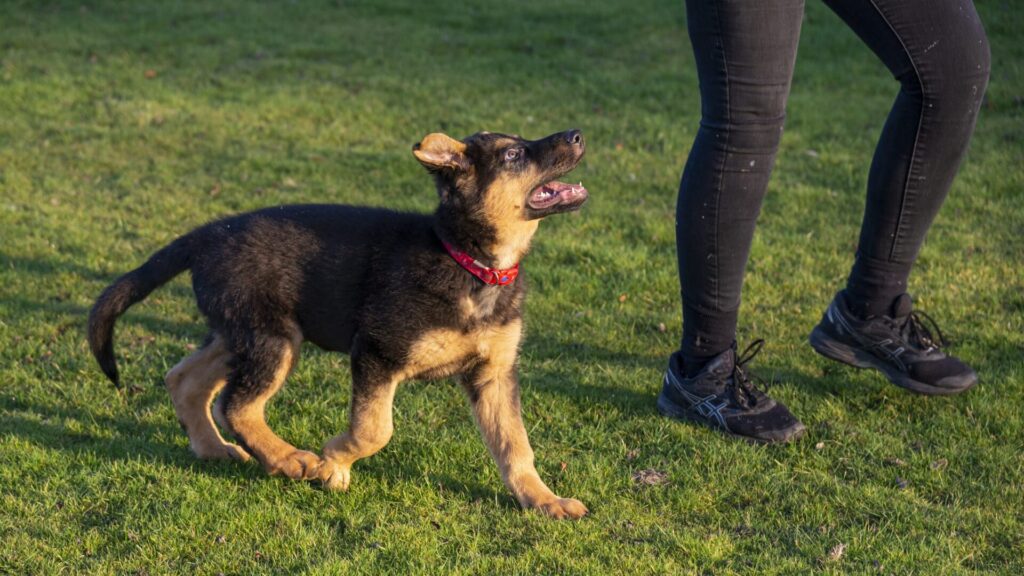
Why Dogs Follow You Everywhere
It’s in Their Instincts
Dogs are descendants of wolves, pack animals that survive and thrive by sticking together. Naturally, this instinct hasn’t disappeared, even in your domesticated canine. To your dog, you’re the pack leader, the one they trust for safety, direction, and connection. Following you is their way of staying close to the ‘alpha.’
This instinct is particularly apparent in working or herding breeds like Border Collies or German Shepherds, who are hardwired to watch and follow their leaders. When your dog doesn’t want to leave your side, it’s often their natural pack mentality kicking in, a need to stay connected to their family.
Companionship and Loyalty
Another driving factor? Pure, unconditional love and loyalty. Dogs thrive on companionship, and as their owner, you’re their world. Following you is often a reflection of how closely they bond with you.
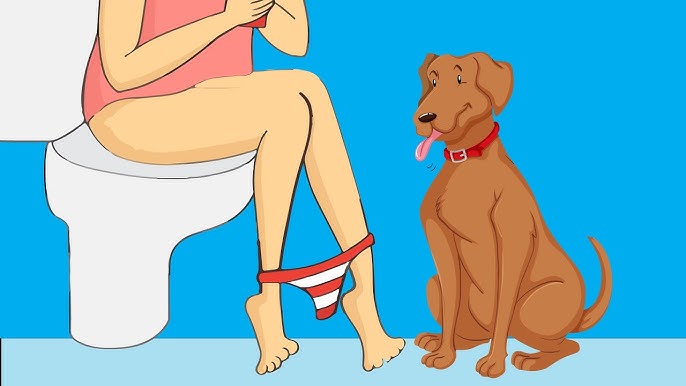
Whether you’re cooking, watching TV, or even heading to the bathroom (privacy, what’s that?), your dog simply enjoys being in your presence. For breeds like Golden Retrievers or Labradors, which are especially people-oriented, this behavior comes as second nature.
Signs Your Dog is Following You Out of Love
While dogs may follow you for practical reasons, such as the hope of food or curiosity, many times it’s simply a sign of affection. Here’s how to spot the love behind their behavior.
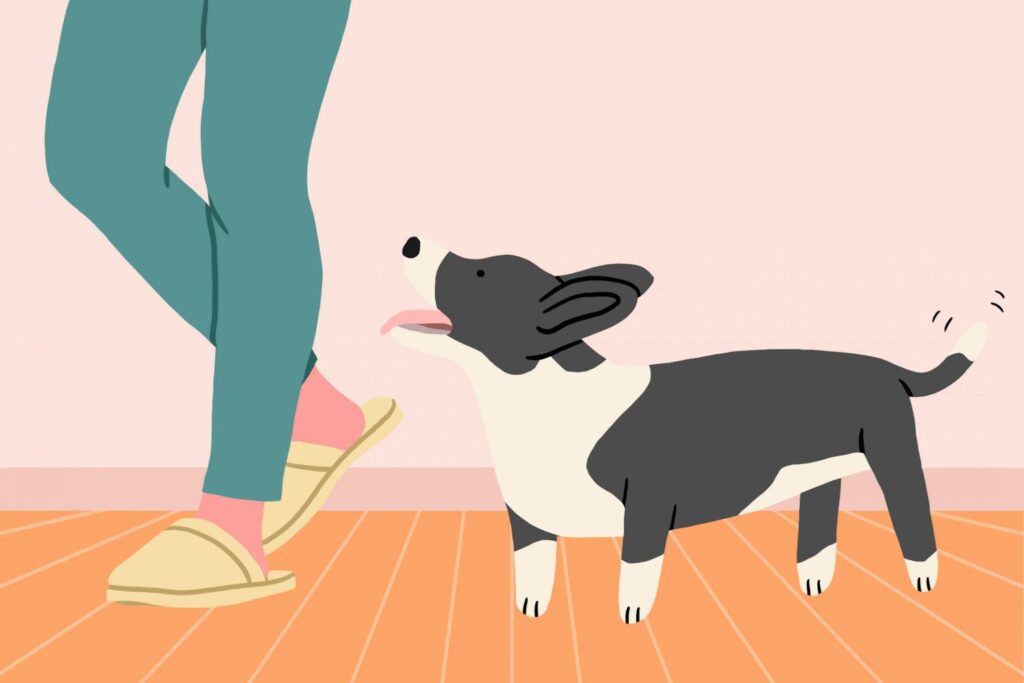
1. Tail Wagging and Happy Demeanour
If your dog’s tail is wagging and they’re relaxed while following you, it’s likely a sign of excitement and happiness to be near you.
2. Making Eye Contact
Dogs that maintain eye contact are often expressing trust and affection. It’s their way of saying, “I see you, and I want to connect with you.”
3. Leaning or Sitting Close
Ever noticed your dog leaning on your leg or sitting right by your feet wherever you go? This closeness is their version of a hug—a reassuring way to express attachment.
4. Excited Greetings
If your return home feels like a daily parade of excitement, rest assured—it’s because your dog genuinely adores you!
The Science Behind It
The Bond Between Humans and Dogs
Scientific studies have shown that the connection between dogs and humans is both powerful and mutual. Research suggests that when a dog and their owner make eye contact, their brains release oxytocin, often referred to as the “love hormone.” This is the same chemical responsible for forming bonds between mothers and their babies.
Your dog’s attachment is also reinforced by their ability to pick up on your emotions, tone of voice, and cues, making them highly attuned to your presence and behaviors.
Neurological and Hormonal Drivers
Beyond oxytocin, your dog’s brain contains mirror neurons, which may cause them to mimic your actions or moods. If you’re walking, resting, or feeling anxious, these neurons might compel them to follow your lead. Additionally, positive reinforcement—like treats or belly rubs every time they follow you—can cement this behavior further.
What to Do When Your Dog Becomes Overly Attached
While it’s heartwarming to have a devoted dog, excessive attachment can lead to separation anxiety, restlessness, or stress when you’re not around. Here’s how to strike a healthy balance.
1. Set Boundaries
Start by establishing small, manageable boundaries. For instance, encourage your dog to stay in a separate room for short periods while you’re still home. Reward independence with treats or praise.
2. Encourage Independent Play
Introduce engaging toys or puzzles to keep your dog entertained and mentally stimulated without needing your constant presence.
3. Socialize Your Dog
Expose your pup to new environments, people, and dogs. Socialization helps reduce dependence on you alone while enhancing their well-being.
4. Practice Calm Departures and Returns
When leaving or returning home, stay neutral. Over-the-top farewells or greetings can heighten your dog’s anxiety and sense of attachment.
5. Seek Professional Advice if Needed
For severe instances of dependence or separation anxiety, consult a professional dog trainer or veterinarian for guidance.
Real-Life Stories of Devotion
Story 1: Bella, the Shadow Beagle
Samantha, a Beagle owner, shares how Bella follows her every morning as she gets ready for work. “It’s adorable how she waits outside the shower and watches me make my coffee. She’s my little shadow,” says Samantha. For Bella, following her owner means never missing out on quality time.
Story 2: Max, the Velcro German Shepherd
On the flip side, Jordan describes how Max, his German Shepherd, developed separation anxiety. “We worked with a trainer to help him build confidence. Independent play toys were a lifesaver,” he explains. Max still shows his loyalty, but now in healthy, balanced ways.
Story 3: Cocoa, the Independent Aussie
Grace’s Australian Shepherd, Cocoa, used to follow her constantly. After introducing agility training and regular doggy playdates, Cocoa became more independent but remained loving. “The balance is perfect now,” Grace adds.
How to Celebrate the Bond with Your Dog
Your dog follows you everywhere is proof of a strong, loving connection. Understanding the reasons behind this behavior can help you nurture your bond while creating a balanced, happy environment for both of you.
Remember, the next time your furry friend is at your heels, it’s not just about habit—it’s about love, loyalty, and their innate desire to be your constant companion.
Want to strengthen your relationship with your dog? Share your experiences, stories, or tips in the comments below—we’d love to hear from you!