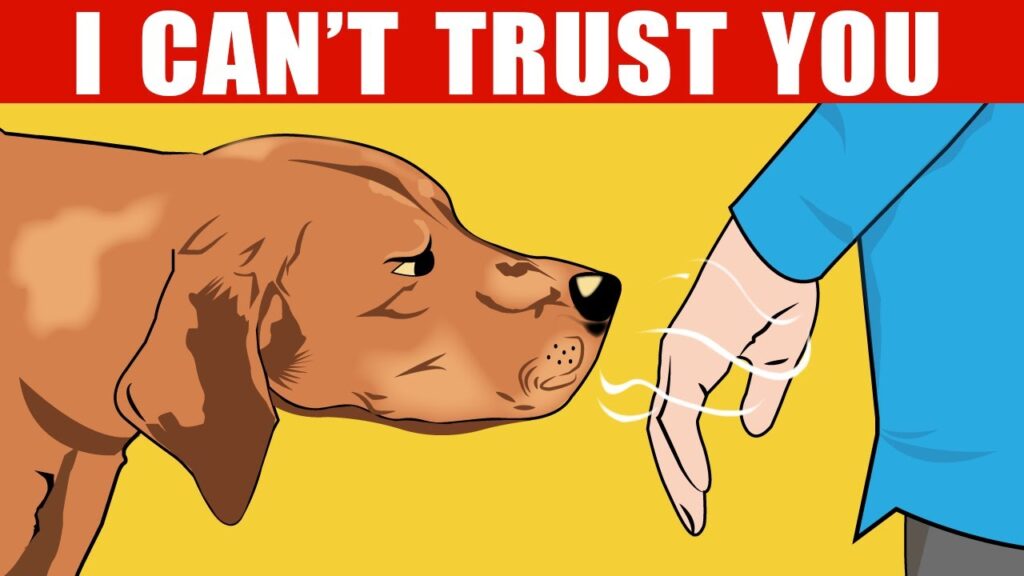
Dogs have long been celebrated for their loyalty, intelligence, and keen sensory awareness. But did you know they might also have an uncanny ability to sense the true nature of the people around them? Time and time again, dog owners share stories—their furry companions growling, barking, or shying away from someone they later understood had less-than-honorable intentions. Could it be intuition? Instinct? Science?
In this guide5 sections
This blog explores how dogs recognize so-called “bad” people, the behavioral and scientific cues they rely on, and how you, as a dog owner, can nurture their instincts while ensuring they feel secure.
By the end, you’ll better understand your canine companion and their superpower-like abilities that showcase just how closely connected dogs are to human emotions.
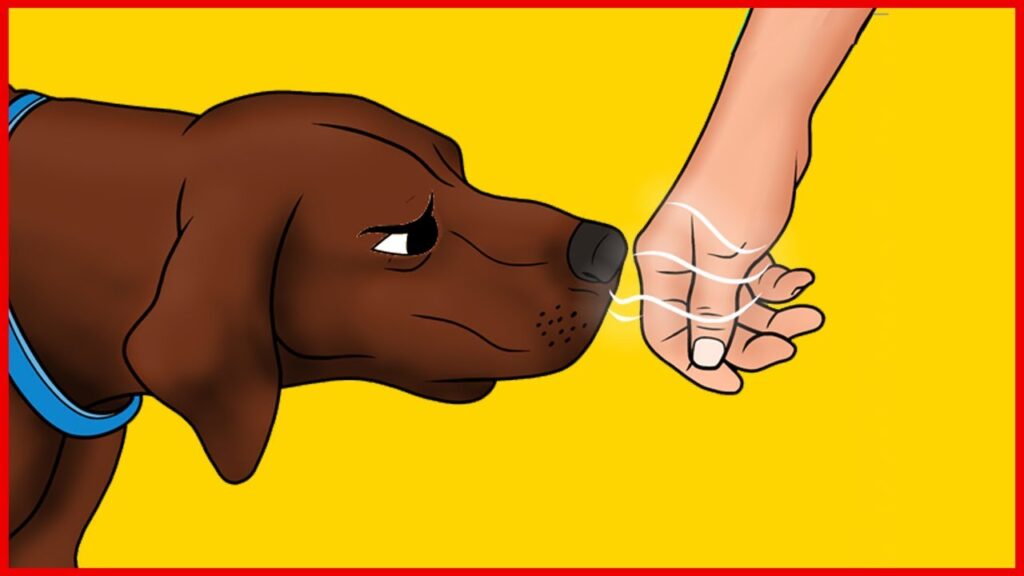
What Can a Dog’s Body Language Tell Us About People?
Dogs don’t communicate with words, but their ability to “speak” through body language is extraordinary. Their behavioral cues can provide valuable insight into how they perceive people—whether friends or foe.
The Language of Tails and Ears
When meeting someone new, pay attention to your dog’s tail and ears. A wagging tail, held high, may indicate happiness or excitement. Conversely, a tail tucked between their legs signals fear or discomfort. Similarly, ears that are pinned back often show unease, while upright ears suggest alert curiosity.
Reading Their Posture
A relaxed, open stance means your dog is at ease, but a stiff, tense body signals apprehension. If your dog crouches or leans away from someone, they’re silently communicating discomfort or a lack of trust.
Subtle Facial Cues
Dogs are incredibly expressive. A wrinkled muzzle, bared teeth, or wide eyes (“whale eye”) are not just signs of aggression—they’re warnings that your dog is uncomfortable and potentially recognizing something about the person you haven’t picked up on.
The Science Behind a Dog’s Perception of Good and Bad
Though dogs are often lauded for their intuition, science proves there’s more at work than meets the eye. Over the decades, researchers have sought to understand how dogs perceive human emotions and behaviors.
Dogs Read Emotional Signals in Human Faces
A groundbreaking 2015 study published in Current Biology discovered that dogs can differentiate between happy and angry facial expressions. This ability suggests that dogs are not only attuned to our emotions but might also interpret and respond based on these cues.
They Respond to Energy and Tone
Have you noticed how dogs react to the tone of your voice? Whether it’s playful, soothing, or harsh, they seem to know what you’re feeling and adjust their behavior accordingly. When meeting new people, dogs often rely on these vocal signals to determine the individual’s mood and intent.
Research also shows that dogs are highly sensitive to body language. Someone with aggressive movements, a tense stance, or unpredictable actions may trigger defensive behavior in a dog.
Dogs Sense Changes in Smell and Hormones
Humans emit pheromones and other chemical signals based on our emotions—fear, anxiety, anger—and dogs’ incredible sense of smell allows them to detect these shifts. For example, if someone is angry or stressed, their cortisol (stress hormone) levels rise, creating subtle yet detectable chemical changes that dogs can pick up on.
Signs Your Dog May Be Recognizing a “Bad” Person
Sometimes, our furry friends sense something in someone that we overlook. Here are common behaviors dogs exhibit when encountering someone they perceive as “bad” or untrustworthy.
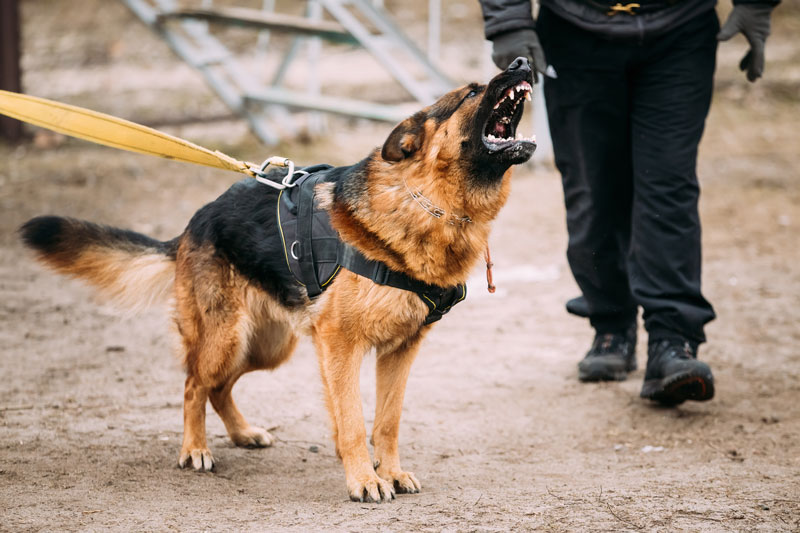
- Growling or Barking: A warning sign that says, “Stay away!” Your dog is signaling discomfort or unease with this individual.
- Avoiding or Shying Away: If your dog avoids making contact or physically backs away during an interaction, they’re showing distrust.
- Refusing Treats: A dog that typically loves treats but refuses one from a stranger might be signaling suspicion.
- Heightened Guarding: Does your dog position themselves between you and someone you just met? This protective gesture speaks volumes.
- Hackles Raised: When a dog’s fur along its back stands up, it’s experiencing a flight-or-fight response—interpreting the person as a possible threat.
While it’s essential to acknowledge these reactions, remember that interpreting “badness” is subjective and situational. Your dog isn’t necessarily forming moral judgments but reacting to signals only they can detect.
How to Help Your Dog Feel Safe and Confident Around People
Understanding your dog’s perceptions isn’t just about recognizing danger—it’s also about fostering trust and confidence. Here’s how you can help your pup feel secure, even around new individuals.
Trust Their Instincts
Always listen to your dog’s warnings. If they seem uncomfortable, remove them from a potentially stressful situation. Your response reinforces their trust in you as their protector.
Socialize Early and Often
Socialization is crucial for dogs, especially during their formative months. Expose your pup to diverse environments and people to help them develop confidence and positive associations.
Reward Positive Interactions
Encourage your dog’s goodwill by rewarding calm, happy behavior with treats or praise during introductions to new people. A sense of positivity fosters trust and lessens anxiety.
Pay Attention to Your Energy
Dogs are incredibly intuitive to their owner’s feelings. If you show signs of nervousness or tension when interacting with someone, your dog may mirror those emotions. Stay calm and composed to assure them there’s no danger.
Provide a Safe Space
When your dog feels overwhelmed, they need a retreat. Whether it’s their bed, a crate, or a quiet room, ensure they have a space where they can relax and feel safe.
Strengthen Your Bond Through Understanding
Your dog’s ability to “read” people is a testament to their intelligence and deep connection to humans. By paying attention to their cues and understanding what might be behind their behaviors, you not only protect them but also grow closer as companions.
Take the time to nurture their instincts, provide consistent training, and build trust. A loved and secure dog is not only a powerful judge of character but also a loyal friend who will always have your back—literally and figuratively.
Paws and Reflect: What moments have you noticed your dog reacting to someone surprisingly? Share your story in the comments below—we’d love to hear your thoughts!