Have you ever noticed your dog’s eyes getting watery when they are happy or excited? Maybe you have seen them shed a tear when you come home after a long day, or when they get a treat or a toy. You might wonder if your dog is crying ‘happy tears’, just like humans do. But do dogs really cry ‘happy tears’? And what do their tears mean?
In this guide6 sections
The Science of Dog Tears
First of all, let’s talk about the science of dog tears. Dogs have tear ducts, just like humans, that produce tears to lubricate and protect their eyes. Tears also help flush out any dirt, dust, or foreign objects that might irritate their eyes. However, unlike humans, dogs do not have emotional tears. Emotional tears are a type of tears that humans produce when they feel strong emotions, such as happiness, sadness, anger, or pain. Emotional tears contain hormones and chemicals that help regulate our mood and relieve stress.
Dogs do not have emotional tears because they do not have the same brain structures and hormones that humans have. Dogs express their emotions through other means, such as body language, vocalizations, and behaviors. For example, when dogs are happy, they might wag their tail, lick your face, or jump around. When dogs are sad, they might whine, lower their ears, or tuck their tail. When dogs are angry, they might growl, bare their teeth, or snap. When dogs are in pain, they might whimper, limp, or hide.
Why Do Dogs’ Eyes Water?
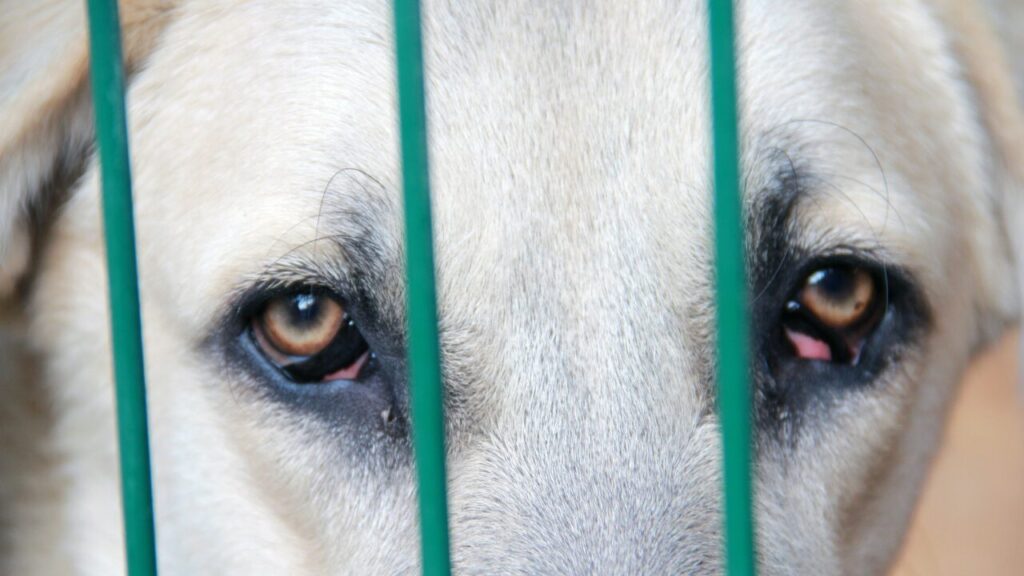
So, if dogs do not cry ‘happy tears’, why do their eyes water sometimes? There are several possible reasons why dogs’ eyes might water, and most of them are not related to their emotions. Some of the common causes of watery eyes in dogs are:
- Allergies: Dogs can be allergic to various things, such as pollen, dust, mold, or food. Allergies can cause inflammation and irritation in their eyes, which can make them produce more tears. Allergies can also cause other symptoms, such as sneezing, itching, or scratching.
- Infections: Dogs can get infections in their eyes, such as conjunctivitis (pink eye), keratitis (corneal inflammation), or uveitis (eye inflammation). Infections can cause redness, swelling, discharge, or pain in their eyes, which can make them produce more tears. Infections can also affect their vision or cause blindness if left untreated.
- Injuries: Dogs can get injuries in their eyes, such as scratches, cuts, or foreign objects. Injuries can cause bleeding, bruising, or damage in their eyes, which can make them produce more tears. Injuries can also cause scarring or loss of vision if not treated properly.
- Blocked tear ducts: Dogs have tear ducts that drain the tears from their eyes to their nose. Sometimes, these tear ducts can get blocked by dirt, debris, or inflammation. Blocked tear ducts can cause the tears to overflow and run down their face, creating tear stains. Blocked tear ducts can also cause infections or dry eyes if not cleared.
- Breed: Some dog breeds are more prone to watery eyes than others, due to their facial features or genetics. For example, brachycephalic breeds (short-nosed breeds), such as pugs, bulldogs, or shih tzus, have shallow eye sockets and protruding eyes, which can make them more vulnerable to eye problems. Similarly, long-haired breeds, such as maltese, yorkies, or shih tzus, have hair that can irritate their eyes and cause them to water.
How to Care for Your Dog’s Eyes
If you notice your dog’s eyes watering, you should not assume that they are crying ‘happy tears’. Instead, you should check their eyes for any signs of problems, such as redness, swelling, discharge, or pain. You should also consult your veterinarian if you notice any changes in your dog’s eyes, such as cloudiness, blueness, or loss of vision. Your veterinarian can diagnose the cause of your dog’s watery eyes and prescribe the appropriate treatment, such as eye drops, antibiotics, or surgery.
To prevent your dog’s eyes from watering, you should also follow some basic eye care tips, such as:
- Keep your dog’s eyes clean and dry: You can use a soft cloth or cotton ball moistened with warm water to gently wipe away any dirt, dust, or discharge from their eyes. You can also use a saline solution or an eye wash specially made for dogs to rinse their eyes. You should avoid using human eye drops, as they might contain ingredients that are harmful to dogs.
- Keep your dog’s hair trimmed: If your dog has long hair, you should keep it away from their eyes, either by clipping it or tying it up. You can also use a comb or a brush to remove any tangles or mats from their hair. You should avoid using scissors or clippers near their eyes, as they might accidentally injure them.
- Keep your dog’s environment safe: You should keep your dog away from any potential hazards that might hurt their eyes, such as sharp objects, chemicals, or plants. You should also keep your dog away from other dogs that might have eye infections, as they might be contagious. You should also provide your dog with adequate shade and water, especially in hot or dry weather, to prevent their eyes from drying out.
- Keep your dog healthy: You should feed your dog a balanced and nutritious diet, as well as provide them with regular exercise and mental stimulation. You should also keep your dog up to date with their vaccinations and parasite prevention, as well as take them to the veterinarian for routine check-ups. A healthy dog is less likely to develop eye problems or other health issues.
The Bottom Line
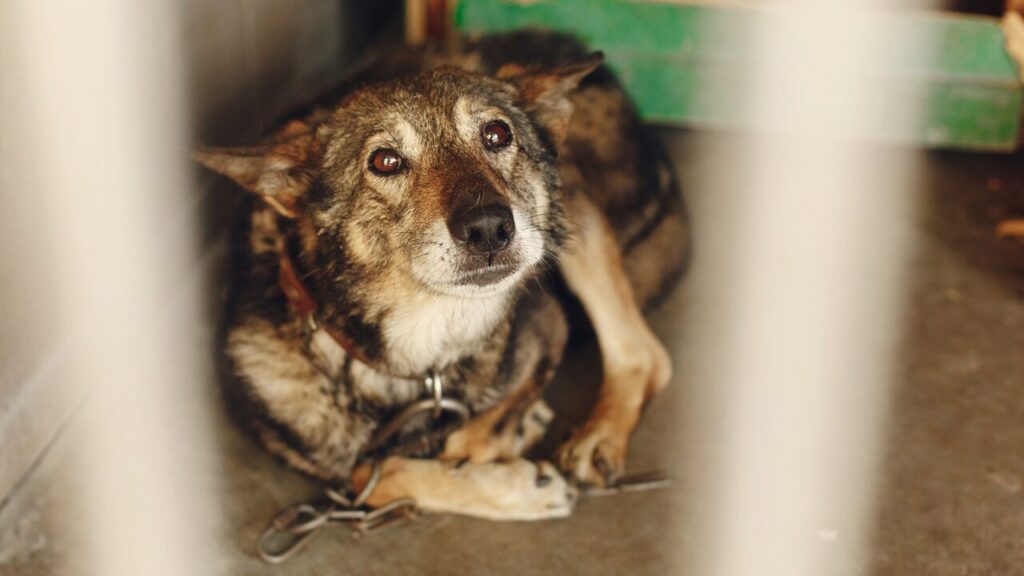
Dogs do not cry ‘happy tears’, as they do not have emotional tears like humans do. Dogs’ eyes water for various reasons, mostly related to their physical health and not their emotional state. If you see your dog’s eyes watering, you should check their eyes for any problems and consult your veterinarian if needed. You should also take good care of your dog’s eyes and overall health, to keep them happy and healthy.
Frequently Asked Questions
No, dogs do not cry tears of emotion like humans do. Dogs have tear ducts to lubricate and protect their eyes, but they do not produce emotional tears. Dogs express their emotions through other means, such as body language, vocalizations, and behaviors
ogs’ eyes can water for various reasons, mostly related to their physical health and not their emotional state. Some of the common causes of watery eyes in dogs are allergies, infections, injuries, blocked tear ducts, or breed characteristics
Dogs can feel sad for many of the same reasons we do, such as pain, loneliness, loss, or grief. Dogs can also feel sad when their human is sad, as they are very empathetic and compassionate animals. Some of the signs of sadness in dogs are whining, lowering their ears, tucking their tail, losing interest in activities, or hiding
You can care for your dog’s eyes by keeping them clean and dry, trimming their hair away from their eyes, keeping them away from potential hazards or irritants, and providing them with adequate shade and water. You should also consult your veterinarian if you notice any changes or problems in your dog’s eyes, such as redness, swelling, discharge, pain, or vision loss
You can cheer up your sad dog by giving them lots of love, attention, and comfort. You can also try to distract them with their favorite toys, treats, or games. You can also provide them with regular exercise and mental stimulation, as well as socialize them with other dogs or people. You should also make sure your dog is healthy and has a balanced and nutritious diet
Note:
So in This Post, Do Dogs Really Cry Happy Tears? what points can you think of/have experienced? Let me know in the comments.
If you found this helpful feel free to share your experience if you can relate to these points and if you are comfortable to share
For More Articles Related to Dogs Health Stay Tuned To our Site