Why Does My Cat Lick Me? The Surprising Reasons Behind This Feline Behavior
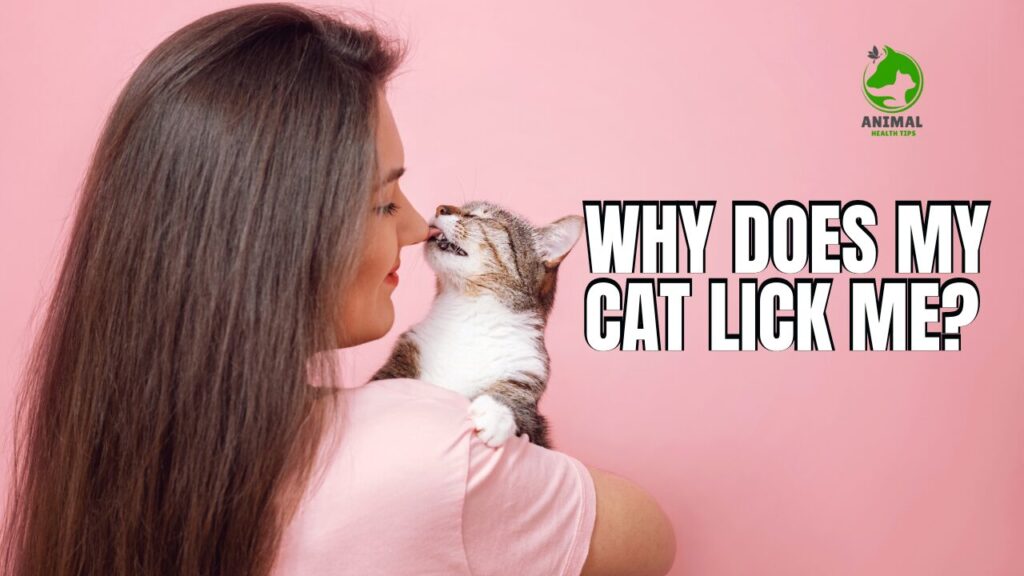
Have you ever wondered why your cat licks you? Is it a sign of affection, or something else? Cats are mysterious creatures, and their licking behavior can have many different meanings. In this article, we will explore some of the possible reasons Why Does Your Cat Lick you, and what you can do to make your cat happy and comfortable.
In this guide6 sections
What Does It Mean When a Cat Licks You?
Cats lick themselves for grooming purposes, but they also lick other cats and humans for various reasons. Some of the most common reasons why your cat licks you are:
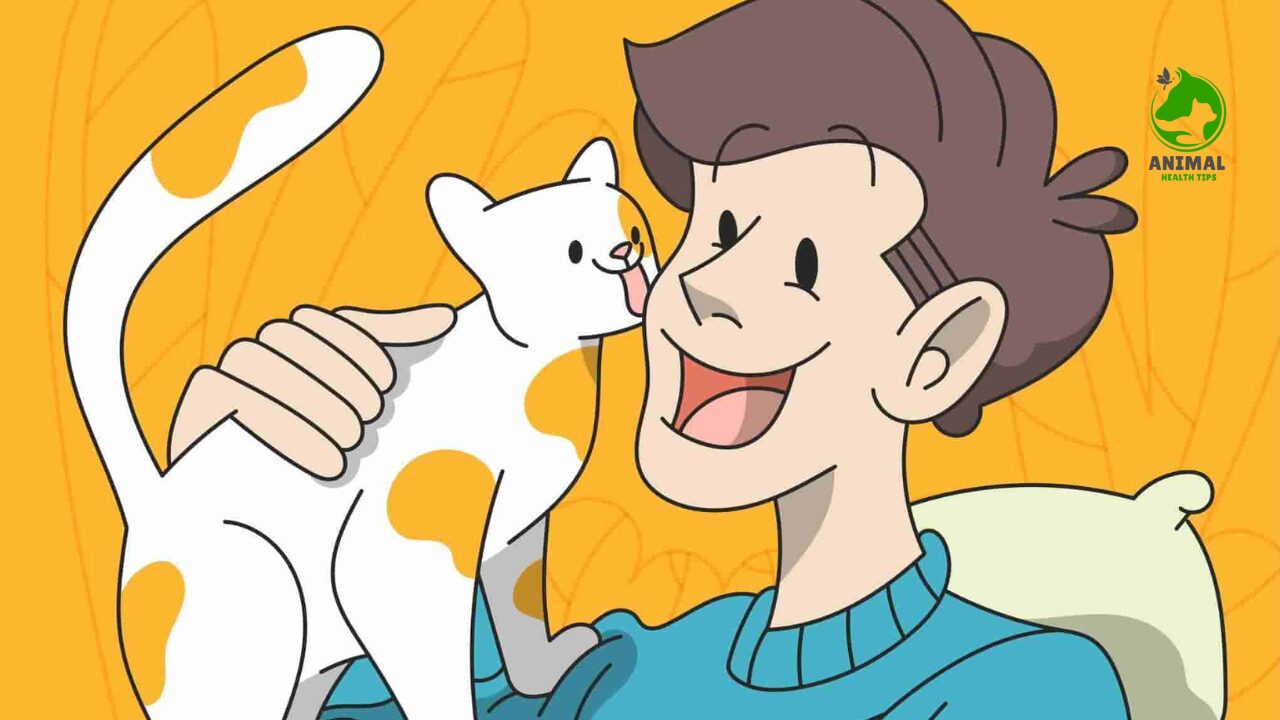
- Affection: Cats lick their owners as a way of showing love and bonding. Licking is a behavior that cats learn from their mothers, who lick their kittens to clean them and stimulate their growth. Cats also lick each other to form social bonds and maintain group harmony. When your cat licks you, it means that they consider you as part of their family and trust you.
- Marking: Cats have scent glands on their cheeks, paws, and other parts of their body, which they use to mark their territory and communicate with other cats. When your cat licks you, they are transferring their scent onto you, and claiming you as their own. This is a sign of respect and loyalty, as your cat is telling other cats that you belong to them.
- Curiosity: Cats are curious animals, and they use their tongues to explore their environment and taste new things. Your cat may lick you to find out more about you, such as what you ate, where you have been, and how you are feeling. Your cat may also lick you to get your attention and interact with you.
- Stress: Cats lick themselves to cope with stress and anxiety, as licking releases endorphins, which are natural chemicals that make them feel good. Your cat may lick you to comfort themselves and seek reassurance from you. This may happen when your cat is exposed to a new situation, a loud noise, or a potential threat. Your cat may also lick you to calm you down if they sense that you are stressed or upset.
How to Respond to Your Cat’s Licking
Your cat’s licking behavior is usually harmless and sweet, but it can also become excessive or annoying. Here are some tips on how to respond to your cat’s licking:
- Enjoy it: If your cat licks you occasionally and gently, you can enjoy this gesture of affection and bond with your cat. You can pet your cat, talk to them, and praise them for being a good kitty. You can also lick them back (gently) to show them that you love them too.
- Redirect it: If your cat licks you too much or too hard, you can redirect their attention to something else, such as a toy, a treat, or a scratching post. You can also give your cat a lick mat, which is a mat with grooves that you can fill with wet food, peanut butter, or other tasty treats. This will keep your cat busy and satisfied, and reduce their licking behavior.
- Discourage it: If your cat licks you in an inappropriate or unwanted way, such as licking your face, your hair, or your wound, you can discourage them by saying “no” in a firm but gentle voice, and moving away from them. You can also spray them with a water bottle, or clap your hands, to startle them and stop them from licking. Do not yell at your cat, hit them, or punish them, as this will only make them scared and confused, and damage your relationship with them.
- Consult a vet: If your cat’s licking behavior is excessive, compulsive, or obsessive, it may indicate a medical or behavioral problem, such as allergies, infections, parasites, pain, anxiety, or boredom. You should consult a vet to rule out any health issues, and get advice on how to treat your cat’s condition and improve their well-being.
Frequently Asked Questions
Here are some of the most frequently asked questions about why cats lick their owners:
Why does my cat lick me and then bite me?
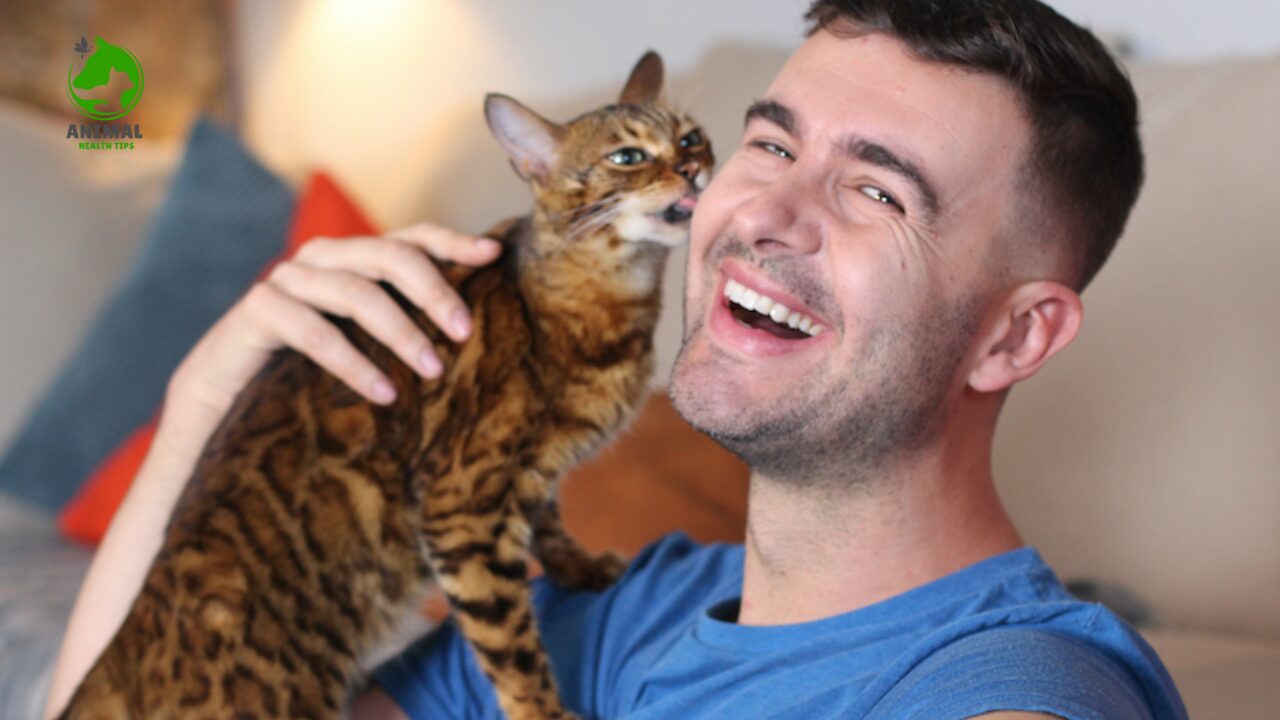
Your cat may lick you and then bite you as a way of playing with you, or telling you that they have had enough of your attention. This is called “love biting” or “petting-induced aggression”. You can avoid this by paying attention to your cat’s body language, and stopping the petting before they get overstimulated. You can also teach your cat to play with toys instead of your hands, and reward them for gentle behavior.
Why does my cat lick me when I pet them?
Your cat may lick you when you pet them as a way of returning the favor, and grooming you back. This is a sign of mutual affection and trust, as your cat is sharing their scent with you, and helping you stay clean and healthy. You can reciprocate by brushing your cat regularly, and keeping their fur free of mats and tangles.
Why does my cat lick me in the morning?
Your cat may lick you in the morning as a way of waking you up, and asking for your attention and food. Cats are crepuscular animals, which means that they are most active at dawn and dusk. Your cat may also lick you in the morning as a way of saying hello, and greeting you after a long night of sleep.
Conclusion
Cats lick their owners for many reasons, such as affection, marking, curiosity, and stress. Your cat’s licking behavior is usually a positive and natural way of expressing their feelings and needs, and you can enjoy this special bond with your cat. However, if your cat’s licking becomes excessive or problematic, you should consult a vet and find out the underlying cause and solution.
Note:
So in This Post, Why Does My Cat Lick Me? what points can you think of/have experienced? Let me know in the comments.
If you found this helpful feel free to share your experience if you can relate to these points and if you are comfortable to share
For More Articles Related to Cats Health Stay Tuned To our Site