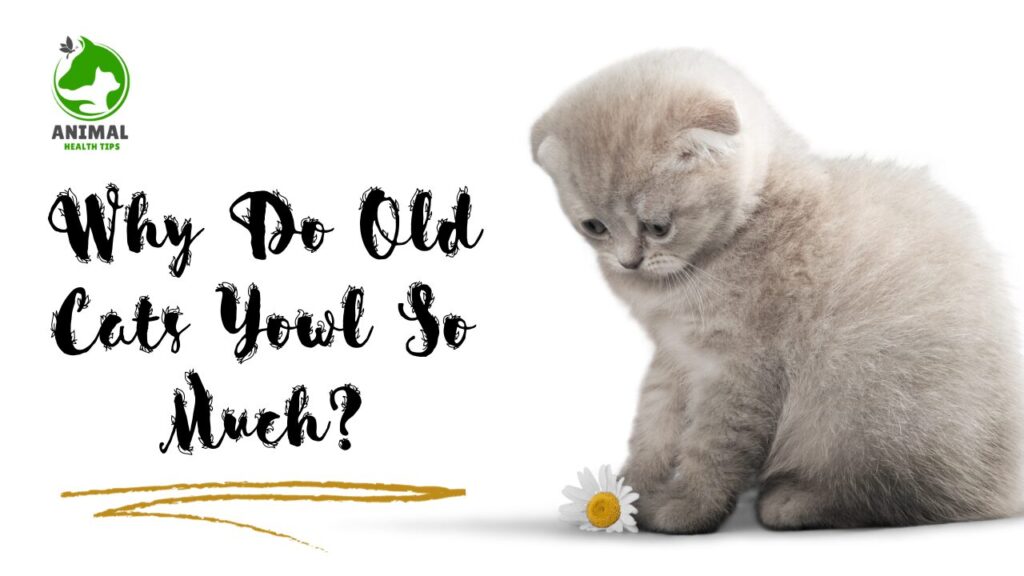
Why Do Old Cats Yowl So Much? The Causes and Solutions for Excessive Vocalization
If you have an old cat, you may have noticed that they tend to yowl a lot more than they used to, especially at night. This can be annoying and worrying for you, as well as distressing for your cat. Why do old cats yowl so much, and what can you do about it?
In this guide7 sections
In this article, we will explain the possible causes of excessive vocalization in senior cats, and how you can help them feel more comfortable and quiet. We will also answer some frequently asked questions about this topic.
What is Yowling and Why Do Cats Do It?
Yowling is a loud, drawn-out cry that cats make to express pain, distress, or grief. It is different from the normal meowing that cats use to communicate with humans or other cats. Yowling is usually a sign that something is wrong with your cat, and they need your attention.
Cats may yowl for various reasons, such as:
- To attract a mate during the breeding season
- To defend their territory from intruders or rivals
- To signal their location to their owners or other cats
- To express their frustration, boredom, or loneliness
- To indicate that they are in pain, discomfort, or fear
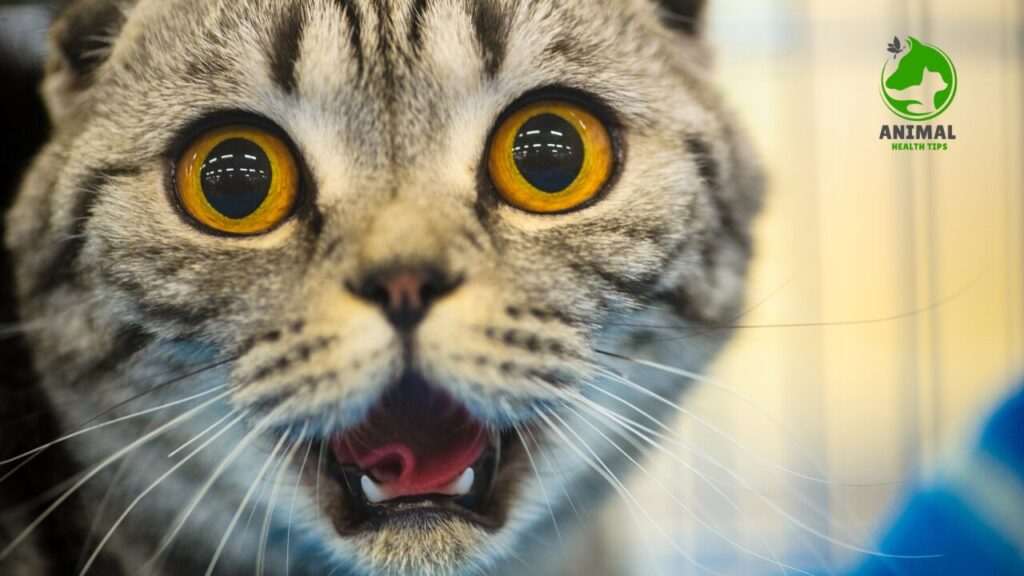
Why Do Old Cats Yowl So Much?
As cats get older, they may start to yowl more frequently and loudly, especially at night. This can be due to several factors, such as:
Hyperthyroidism:
This is a condition where the thyroid gland produces too much thyroid hormone, which affects the metabolism and behavior of your cat. Hyperthyroidism can cause your cat to be more hungry, thirsty, restless, and vocal. It can also lead to weight loss, increased heart rate, and high blood pressure. Hyperthyroidism can be diagnosed by a blood test and treated with medication, surgery, or radioactive iodine therapy.
Hypertension:
This is high blood pressure, which can be caused by hyperthyroidism, kidney disease, heart disease, or other conditions. Hypertension can damage the eyes, brain, heart, and kidneys of your cat, and cause headaches, dizziness, and blindness. Hypertension can be diagnosed by measuring the blood pressure of your cat and treated with medication and dietary changes.
Sensory decline:
As cats age, their senses of hearing, vision, and smell may deteriorate, which can make them feel confused, disoriented, and insecure. They may yowl to express their frustration, anxiety, or sadness, or to seek reassurance from you. They may also yowl because they can’t hear themselves or other sounds well. You can help your cat by keeping their environment familiar and consistent, providing them with extra comfort and attention, and using night lights, toys, and pheromone diffusers to calm them down.
Cognitive dysfunction syndrome (CDS):
This is a form of dementia that affects older cats, and causes changes in their memory, learning, perception, and behavior. Cats with CDS may yowl because they forget where they are, what they have done, or where you are. They may also yowl because they have altered sleep patterns, and become more active and vocal at night. CDS can be diagnosed by ruling out other causes of behavioral changes and treated with medication, supplements, and environmental enrichment.
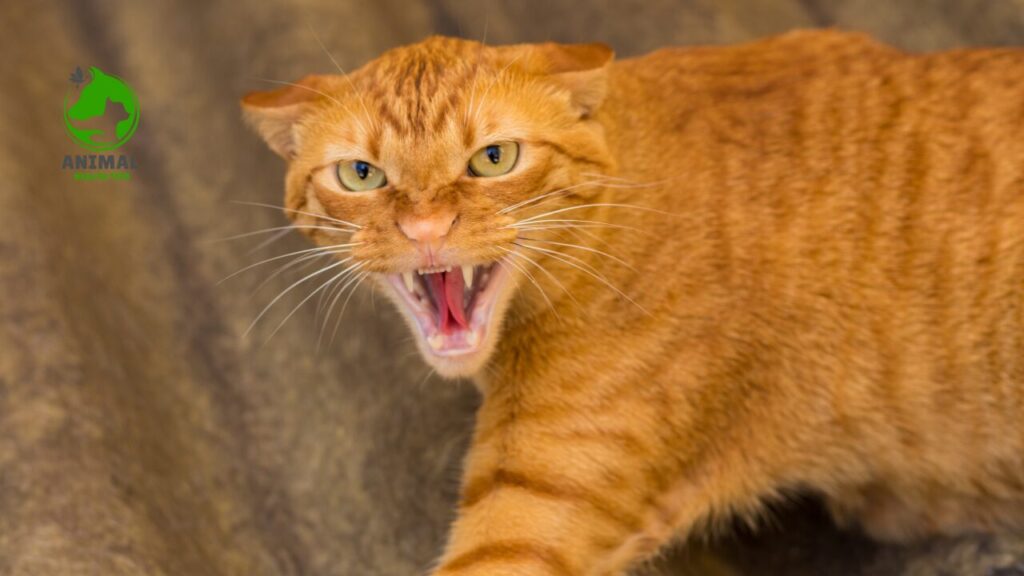
How to Stop Your Old Cat from Yowling So Much
If your old cat yowls a lot, the first thing you should do is take them to the vet for a checkup. Your vet can examine your cat and run some tests to determine the underlying cause of their yowling, and prescribe the appropriate treatment. Some of the treatments may include:
- Medication to regulate the thyroid hormone, blood pressure, pain, or anxiety of your cat
- Surgery or radioactive iodine therapy to remove or shrink the thyroid gland of your cat
- Dietary changes to reduce the sodium, protein, or phosphorus intake of your cat
- Supplements to support the brain, eye, heart, or kidney health of your cat
- Hormone therapy or antianxiety diffusers to reduce the stress and agitation of your cat
In addition to the medical treatment, you can also try some home remedies to stop your old cat from yowling so much, such as:
- Playing with your cat to tire them out and keep them entertained
- Feeding your cat before bedtime to satisfy their hunger and make them sleepy
- Providing your cat with a warm, cozy, and quiet place to sleep
- Ignoring your cat when they yowl, and rewarding them when they are quiet
- Talking to your cat in a soothing voice to comfort them and make them feel loved
Frequently Asked Questions
Here are some common questions and answers about why old cats yowl so much.
Q: Is yowling a sign of pain in cats?
A: Yowling can be a sign of pain in cats, especially if it is accompanied by other symptoms, such as limping, licking, hiding, or loss of appetite. If your cat yowls and shows signs of pain, you should take them to the vet as soon as possible.
Q: How do I know if my cat has hyperthyroidism?
A: Some of the signs of hyperthyroidism in cats are:
- Increased appetite and thirst
- Weight loss and muscle loss
- Restlessness and hyperactivity
- Excessive vocalization and grooming
- Vomiting and diarrhea
- Increased heart rate and blood pressure
- Bulging eyes and dilated pupils
If you notice these signs in your cat, you should take them to the vet for a blood test to confirm the diagnosis.
Q: How do I know if my cat has dementia?
A: Some of the signs of dementia in cats are:
- Disorientation and confusion
- Memory loss and forgetfulness
- Altered sleep patterns and activity levels
- Changes in personality and behavior
- Reduced interest in social interaction and play
- Increased anxiety and aggression
- Inappropriate elimination and vocalization
If you notice these signs in your cat, you should take them to the vet to rule out other causes of behavioral changes and discuss the treatment options.
Conclusion
Old cats yowl a lot because they may have medical or cognitive issues that affect their comfort, well-being, and communication. You can help your old cat by taking them to the vet for a diagnosis and treatment, and by providing them with a loving and supportive home environment. By doing so, you can reduce their yowling and improve their quality of life.
Note:
So in This Post, Why Do Old Cats Yowl So Much? what points can you think of/have experienced? Let me know in the comments.
If you found this helpful feel free to share your experience if you can relate to these points and if you are comfortable to share
For More Articles Related to Cats Health Stay Tuned To our Site