If you are a cat owner, you have probably heard the familiar sound of your cat throwing up. While occasional vomiting may not be a cause for concern, frequent or severe vomiting can indicate a serious health problem. In this article, we will explain why cats vomit, what are the common causes and symptoms, and how to prevent and treat cat vomiting.
In this guide5 sections
What is Cat Vomiting?
Cat vomiting is the forceful expulsion of the stomach contents through the mouth. It is different from regurgitation, which is the passive expulsion of undigested food from the esophagus. Vomiting can be acute (sudden and short-lived) or chronic (persistent and recurrent). Vomiting can also be classified as productive (producing vomit) or non-productive (dry heaving).
Why Do Cats Vomit?
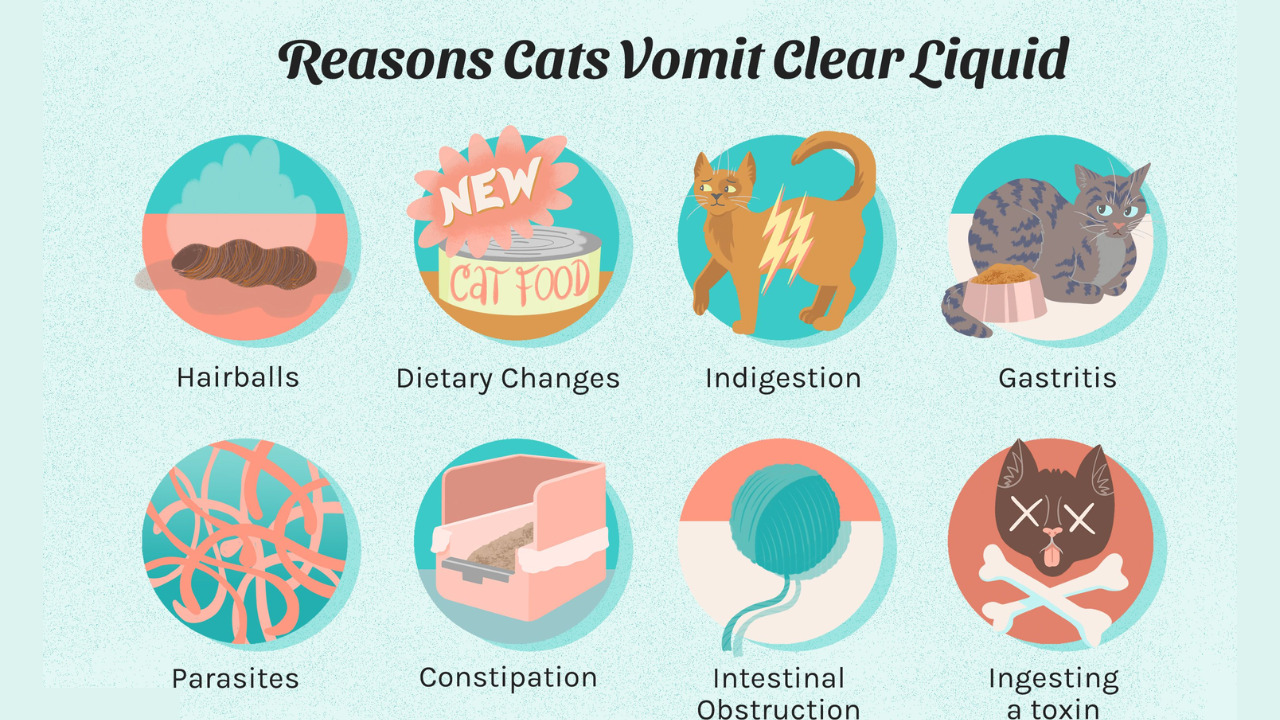
There are many possible reasons why cats vomit, ranging from mild to serious. Some of the most common causes are:
- Hairballs: As cats groom themselves, they swallow loose hair that can accumulate in the stomach and form hairballs. Hairballs can irritate the stomach lining and cause vomiting. Hairballs are usually cylindrical and covered with mucus. They are more common in long-haired cats and cats that shed excessively.
- Dietary indiscretion: Cats may vomit if they eat something that is spoiled, toxic, or indigestible, such as plants, bones, or garbage. Cats may also vomit if they eat too fast, too much, or change their diet abruptly. Dietary indiscretion can cause gastroenteritis, which is inflammation of the stomach and intestines.
- Food allergies or intolerances: Some cats may be allergic or intolerant to certain ingredients in their food, such as grains, dairy, or proteins. Food allergies or intolerances can cause vomiting, diarrhea, skin problems, and other symptoms. Food allergies or intolerances can be diagnosed by an elimination diet, which involves feeding the cat a hypoallergenic diet and gradually reintroducing potential allergens one by one.
- Parasites: Parasites such as roundworms, tapeworms, hookworms, and giardia can infect the cat’s gastrointestinal tract and cause vomiting, diarrhea, weight loss, and other symptoms. Parasites can be transmitted by contaminated food, water, soil, or feces. Parasites can be diagnosed by a fecal exam and treated with deworming medications.
- Foreign bodies or obstructions: Cats may vomit if they ingest foreign objects that get stuck in their stomach or intestines, such as toys, strings, hair ties, or bones. Foreign bodies or obstructions can cause vomiting, abdominal pain, loss of appetite, and dehydration. Foreign bodies or obstructions can be diagnosed by an X-ray or ultrasound and treated by surgery or endoscopy.
- Inflammatory bowel disease (IBD): IBD is a chronic condition that causes inflammation and ulceration of the gastrointestinal tract. IBD can cause vomiting, diarrhea, weight loss, and blood in the stool. The exact cause of IBD is unknown, but it may be related to genetics, immune system dysfunction, food allergies, or bacterial imbalance. IBD can be diagnosed by a biopsy and treated with steroids, immunosuppressants, or dietary modification.
- Systemic diseases: Various systemic diseases can affect the cat’s gastrointestinal tract and cause vomiting, such as kidney disease, liver disease, pancreatitis, hyperthyroidism, diabetes, and cancer. Systemic diseases can cause vomiting, along with other symptoms such as increased thirst, increased urination, weight loss, lethargy, and jaundice. Systemic diseases can be diagnosed by blood tests, urine tests, and imaging and treated with medications, fluids, or surgery.

How to Prevent Cat Vomiting
Some cases of cat vomiting can be prevented by following these tips:
- Brush your cat regularly: Brushing your cat can help remove loose hair and prevent hairballs. You can also give your cat a hairball remedy, such as a paste or a treat, to help lubricate the hair and pass it through the digestive tract.
- Feed your cat a high-quality diet: Feeding your cat a high-quality diet that is appropriate for their age, size, and health can help prevent vomiting caused by dietary indiscretion, food allergies, or intolerances. Avoid feeding your cat human food, table scraps, or bones, as they can cause vomiting, diarrhea, or choking. Also, avoid feeding your cat milk or dairy products, as most cats are lactose intolerant and can develop vomiting or diarrhea.
- Feed your cat small and frequent meals: Feeding your cat small and frequent meals can help prevent vomiting caused by overeating or eating too fast. You can also use a slow feeder bowl, a puzzle feeder, or a food dispenser to slow down your cat’s eating and stimulate their natural hunting instincts.
- Transition your cat to a new diet gradually: If you need to change your cat’s diet, do it gradually over a period of at least a week. Mix a small amount of the new food with the old food and gradually increase the proportion of the new food until the transition is complete. This can help prevent vomiting caused by a sudden change in diet.
- Keep your cat away from potential toxins: Keep your cat away from potential toxins, such as plants, chemicals, medications, or garbage, that can cause vomiting, diarrhea, or poisoning. If you suspect your cat has ingested something toxic, contact your veterinarian or a poison control center immediately.
- Deworm your cat regularly: Deworming your cat regularly can help prevent vomiting caused by parasites. Follow your veterinarian’s recommendations on how often and what type of deworming medication to use for your cat. You can also prevent parasite transmission by keeping your cat indoors, cleaning the litter box daily, and washing your hands after handling your cat or their feces.
- Monitor your cat’s health: Monitoring your cat’s health can help you detect any signs of illness or disease that can cause vomiting, such as increased thirst, increased urination, weight loss, lethargy, or jaundice. If you notice any changes in your cat’s behavior, appetite, or appearance, consult your veterinarian as soon as possible.
How to Treat Cat Vomiting
If your cat vomits once or twice and seems otherwise normal, you may not need to worry. However, if your cat vomits frequently, severely, or shows other signs of illness, you should seek veterinary attention. Depending on the cause and severity of the vomiting, your veterinarian may recommend one or more of the following treatments:
- Withholding food and water: If your cat has acute vomiting, your veterinarian may advise you to withhold food and water for a few hours to let the stomach rest and prevent further vomiting. After that, you can gradually reintroduce water and bland food, such as boiled chicken or rice, until the vomiting stops.
- Fluid therapy: If your cat has chronic or severe vomiting, your veterinarian may administer fluids intravenously or subcutaneously to prevent dehydration and electrolyte imbalance. Fluid therapy can also help flush out toxins and support kidney function.
- Anti-emetics: Anti-emetics are medications that can help reduce nausea and vomiting by blocking the receptors in the brain or the stomach that trigger the vomiting reflex. Some common anti-emetics for cats are maropitant, ondansetron, and metoclopramide.
- Antibiotics: Antibiotics are medications that can help treat bacterial infections that can cause vomiting, such as Helicobacter pylori, Salmonella, or Campylobacter. Antibiotics can also help prevent secondary infections that can occur due to vomiting.
- Probiotics: Probiotics are supplements that contain beneficial bacteria that can help restore the balance of the gut flora and improve digestion. Probiotics can help treat vomiting caused by bacterial imbalance, food allergies, or inflammatory bowel disease.
- Surgery or endoscopy: Surgery or endoscopy are procedures that can help remove foreign bodies or obstructions that can cause vomiting. Surgery involves making an incision in the abdomen and manually removing the foreign object. Endoscopy involves inserting a flexible tube with a camera and a tool through the mouth and into the stomach and retrieving the foreign object.
- Dietary modification: Dietary modification can help treat vomiting caused by food allergies, intolerances, or inflammatory bowel disease. Dietary modification involves feeding the cat a hypoallergenic, low-fat, or high-fiber diet that can reduce inflammation and irritation in the gastrointestinal tract.
Note:
So in This Post, Why Do Cats Vomit and How to Prevent It what points can you think of/have experienced? Let me know in the comments.
If you found this helpful feel free to share your experience if you can relate to these points and if you are comfortable to share
For More Articles Related to Cat Health Stay Tuned To our Site