Why Do Cats Eat Grass? The Surprising Benefits of This Feline Behavior
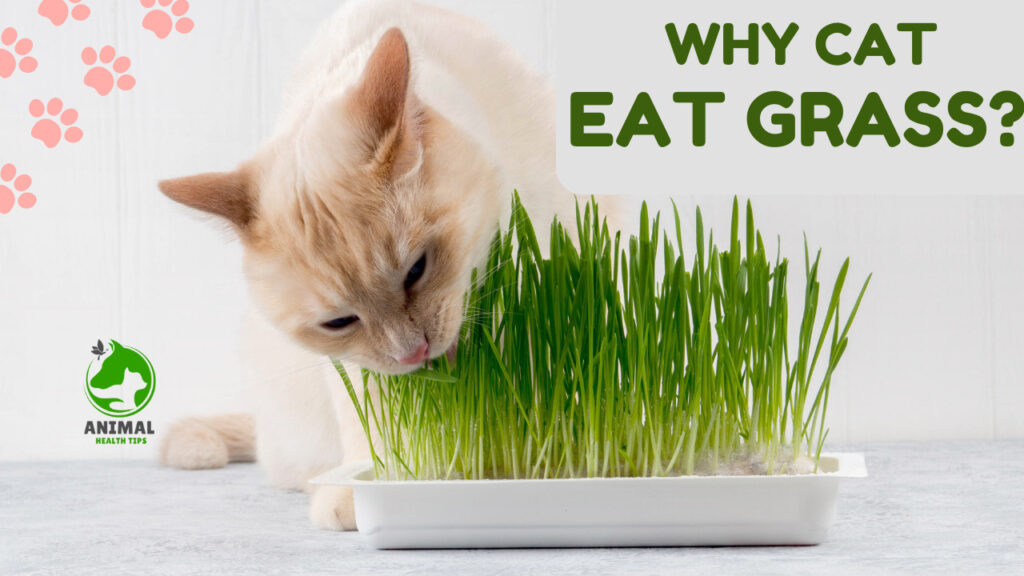
Have you ever wondered why your cat nibbles on the green stuff in your garden or on your windowsill? You might think that cats are carnivores and have no need for plant matter, but there are actually some good reasons why cats eat grass. In this article, we will explore the possible benefits of this feline behavior, and how to provide your cat with safe and healthy grass options.
In this guide7 sections
Cats Eat Grass to Aid Digestion
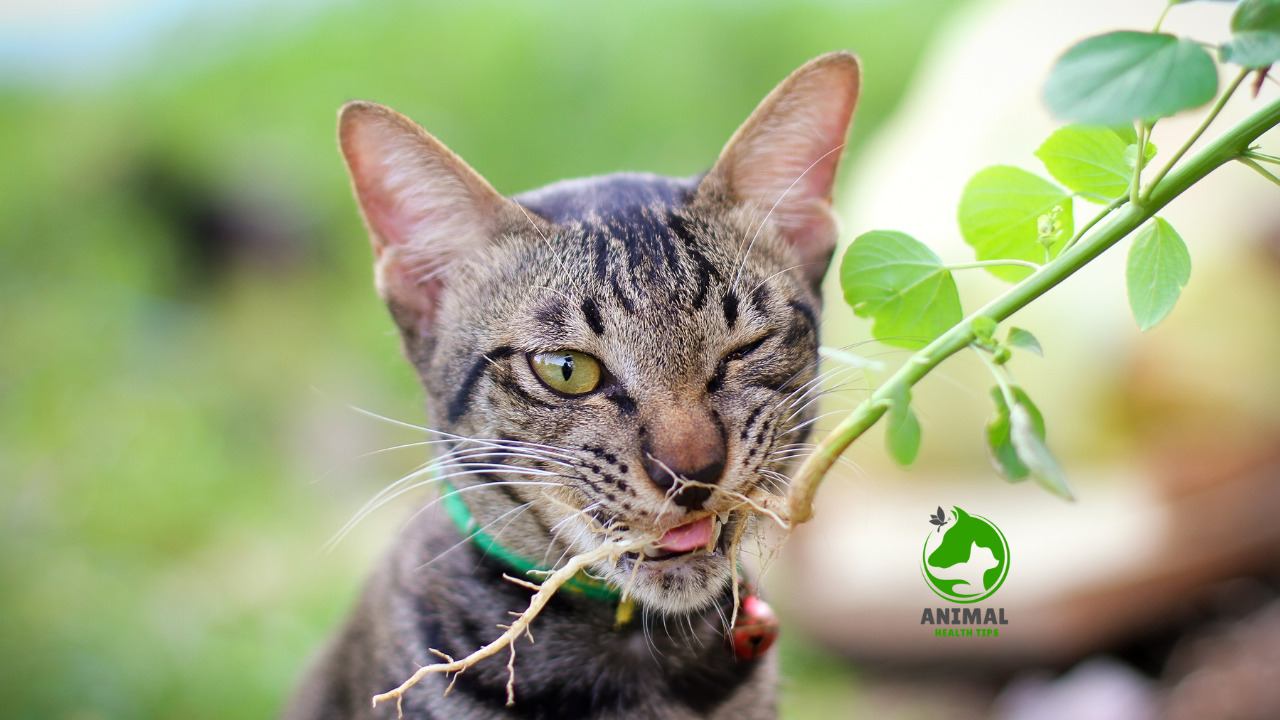
One of the most common theories why cats eat grass is that it helps them with their digestion. Cats have a short digestive tract that is designed to process meat, not plant matter. However, cats also ingest a lot of hair and other indigestible materials when they groom themselves or hunt prey. These materials can form hairballs in the stomach or cause intestinal blockages, which can be very uncomfortable and even dangerous for cats.
Grass can act as a natural laxative or emetic for cats, helping them to expel the unwanted materials from their system. Grass contains fiber, which can stimulate the intestinal muscles and increase the motility of the digestive tract. Grass also contains chemicals called saponins, which can induce vomiting in cats. By vomiting or passing the hairballs and other debris, cats can prevent them from accumulating and causing problems.
Cats Eat Grass to Supplement Their Diet
Another possible reason why cats eat grass is that it provides them with some nutrients that they might not get enough of from their regular diet. Grass contains folic acid, a type of vitamin B that is essential for the production of hemoglobin, the protein that carries oxygen in the blood. Folic acid deficiency can cause anemia, a condition where the blood cells cannot carry enough oxygen to the tissues, resulting in weakness, fatigue, and poor growth.
Grass also contains chlorophyll, the pigment that gives plants their green color. Chlorophyll has anti-inflammatory and antioxidant properties, which can help to reduce inflammation and oxidative stress in the body. Chlorophyll can also help to detoxify the liver and blood, and improve the immune system.
Cats Eat Grass to Satisfy Their Instincts
A third possible reason why cats eat grass is that it is part of their natural instincts. Cats are descended from wild felids that lived in various habitats, including grasslands and forests. Eating grass could have been a way for them to mimic the behavior of their prey, such as rodents and birds, or to camouflage their scent from predators or competitors. Eating grass could also have been a way for them to explore their environment and satisfy their curiosity.
Eating grass could also be a form of self-medication for cats, as they might instinctively seek out plants that have medicinal or beneficial effects for them. For example, some plants, such as catnip, valerian, and silver vine, can have a stimulating or calming effect on cats, depending on the dose and the individual cat’s response. Other plants, such as chamomile, mint, and lavender, can have a soothing or healing effect on cats, especially if they have skin or respiratory issues.
How to Provide Your Cat with Safe and Healthy Grass Options
While eating grass can have some benefits for cats, it can also pose some risks. Some grasses or plants can be toxic or harmful for cats, such as lilies, tulips, daffodils, and sago palms. Some grasses or plants can also be contaminated with pesticides, fertilizers, or parasites, which can cause poisoning or infection in cats. Therefore, it is important to provide your cat with safe and healthy grass options, such as:
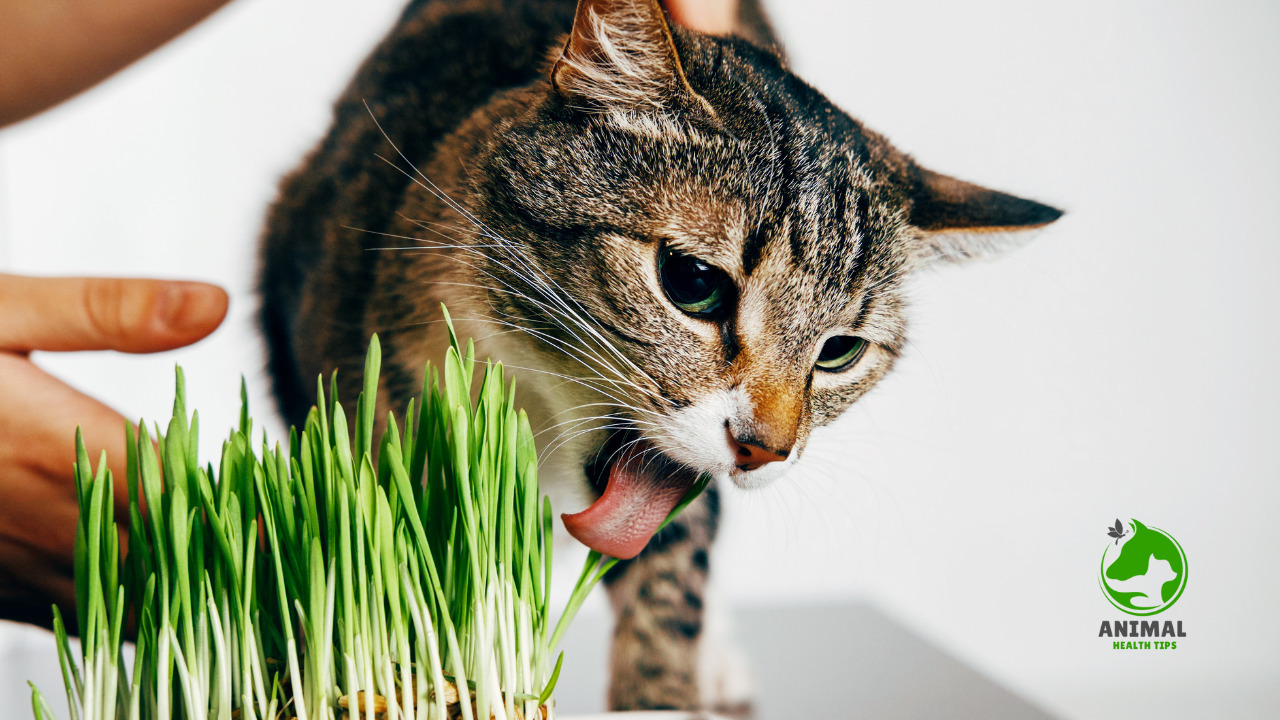
- Growing your own cat grass at home. You can buy cat grass seeds or kits online or at pet stores, and grow them in pots or trays. Cat grass is usually a mix of oat, wheat, barley, or rye grasses, which are safe and nutritious for cats. You can place the pots or trays near your cat’s favorite spots, such as the windowsill, the couch, or the bed, and let your cat nibble on them as they please.
- Buying ready-made cat grass products. You can also buy ready-made cat grass products, such as fresh or dried cat grass, cat grass sprays, or cat grass treats. These products are convenient and easy to use, and can provide your cat with the benefits of grass without the hassle of growing or maintaining it. You can find these products online or at pet stores, and follow the instructions on how to use them.
- Supervising your cat when they eat grass outdoors. If your cat has access to the outdoors, you can let them eat grass from your garden or yard, as long as you supervise them and make sure that the grass is safe and clean. You can also check the ASPCA’s list of toxic and non-toxic plants for cats, and avoid planting or exposing your cat to any plants that are harmful for them. You can also wash the grass before letting your cat eat it, or spray it with water to remove any dirt or dust.
Conclusion
Cats eat grass for various reasons, such as aiding digestion, supplementing their diet, or satisfying their instincts. Eating grass can have some benefits for cats, but it can also pose some risks. Therefore, it is important to provide your cat with safe and healthy grass options, such as growing your own cat grass, buying ready-made cat grass products, or supervising your cat when they eat grass outdoors. By doing so, you can ensure that your cat enjoys the green stuff without any problems.
Note:
So in This Post, Why Do Cats Eat Grass? what points can you think of/have experienced? Let me know in the comments.
If you found this helpful feel free to share your experience if you can relate to these points and if you are comfortable to share
For More Articles Related to Cats Health Stay Tuned To our Site