Everything You Need to Know About Cat Reproduction
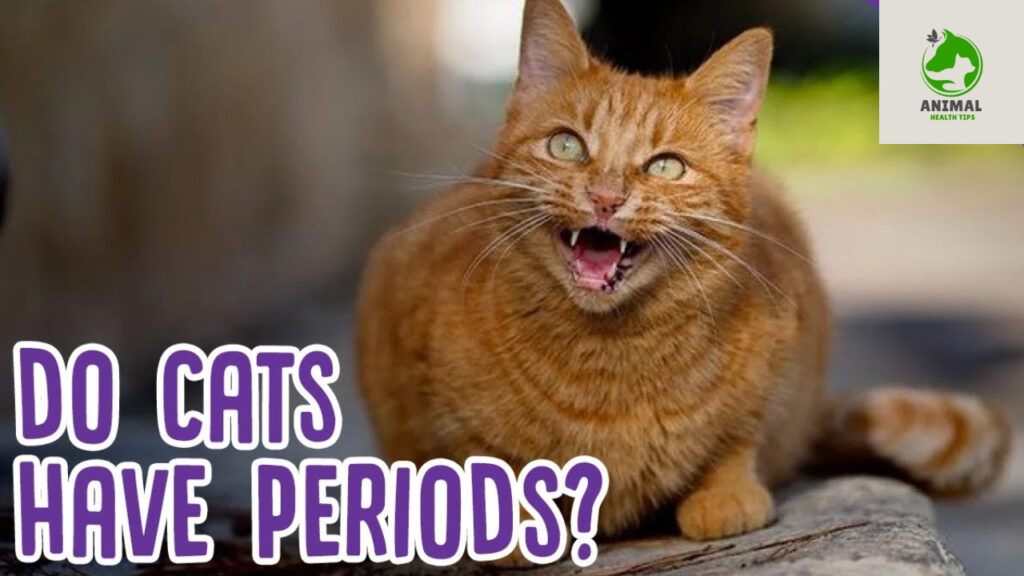
If you are a cat owner, you might have wondered if your female cat has periods, just like humans do. The answer is not quite. While female cats do have a reproductive cycle that involves bleeding, it is very different from the menstrual cycle that humans experience. In this article, we will explain Do Cats Have Periods? and tell everything you need to know about cat reproduction, including:
In this guide7 sections
- Everything You Need to Know About Cat Reproduction
- What is the estrous cycle and how does it differ from the menstrual cycle?
- When do cats go into heat and what are the signs?
- How often can cats get pregnant and how many kittens can they have?
- What are the benefits of spaying and neutering your cat?
- How to care for your cat after spaying or neutering?
- Note:
- What is the estrous cycle and how does it differ from the menstrual cycle?
- When do cats go into heat and what are the signs?
- How often can cats get pregnant and how many kittens can they have?
- What are the benefits of spaying and neutering your cat?
- How to care for your cat after spaying or neutering?
What is the estrous cycle and how does it differ from the menstrual cycle?
The estrous cycle is the reproductive cycle that female cats go through. It is also called the heat cycle, because it is the time when the cat is ready to mate and can get pregnant. The estrous cycle consists of four phases:
- Proestrus: This is the phase when the cat’s body prepares for ovulation. It lasts for about one or two days. The cat may show some signs of interest in male cats, but she is not yet receptive to mating.
- Estrus: This is the phase when the cat ovulates and can get pregnant. It lasts for about four to six days. The cat shows clear signs of being in heat, such as vocalizing, rolling, rubbing, and raising her rear end. She will also accept mating from male cats.
- Interestrus: This is the phase when the cat is not in heat. It lasts for about two to three weeks. If the cat is not pregnant, she will enter another proestrus phase and start the cycle again. If the cat is pregnant, she will enter the diestrus phase.
- Diestrus: This is the phase when the cat is pregnant or has a false pregnancy. It lasts for about two months. The cat will not show any signs of being in heat and will not accept mating from male cats.
The estrous cycle is different from the menstrual cycle in several ways. First, the cat does not shed the lining of her uterus every month, as humans do. Instead, she reabsorbs it into her body. This means that the cat does not have a regular period of bleeding, although she may have some spotting or discharge during the proestrus or estrus phases. Second, the cat does not ovulate on a fixed schedule, as humans do. Instead, she is an induced ovulator, which means that she only releases an egg when she mates with a male cat. This increases the chances of conception, but also makes it harder to predict when the cat is fertile.

When do cats go into heat and what are the signs?
Cats have their first estrous cycle when they reach puberty, which can vary depending on the breed, the season, and the individual cat. On average, cats reach puberty at about six months of age, but some cats may start as early as four months or as late as 10 months. Cats do not experience menopause, so they can continue to have estrous cycles throughout their lives, unless they are spayed.
Cats can go into heat as often as every two to three weeks, especially during the breeding season, which typically lasts from February to October in the northern hemisphere. However, some cats may go into heat year-round, while others may have longer intervals between cycles. The length and frequency of the estrous cycle can also be influenced by factors such as the cat’s health, nutrition, stress, and exposure to daylight.
The signs of a cat in heat are usually obvious and unmistakable. They include:
- Vocalizing: The cat will make loud and persistent meowing and yowling noises, to attract the attention of male cats and express her readiness to mate. Some cats may also purr or growl.
- Rolling: The cat will roll on the floor, exposing her belly and twisting her body, to show her receptivity and entice male cats.
- Rubbing: The cat will rub her head, neck, and body against objects, people, or other cats, to mark her territory and spread her scent.
- Raising: The cat will raise her rear end in the air, with her tail to the side, to expose her genitals and invite mating. She may also tread her back feet, as if she is walking in place.
- Urinating: The cat will urinate more frequently and in more places, to mark her territory and signal her fertility. Her urine may also have a stronger odor than usual.

How often can cats get pregnant and how many kittens can they have?
Cats can get pregnant as early as their first heat cycle, which means that they can have kittens as young as six months of age. Cats can also get pregnant multiple times a year, as they can go back into heat shortly after giving birth, even while they are nursing their kittens. This is why it is important to spay or neuter your cat as soon as possible, to prevent unwanted pregnancies and overpopulation.
The gestation period, or the time between conception and birth, for cats is about two months, or 60 to 65 days. The average litter size for cats is about four kittens, but it can range from one to 10 or more. The number of kittens depends on factors such as the cat’s age, health, nutrition, and genetics. Some cats may have larger litters than others, and some may have smaller litters as they get older.
Cats can be bred by more than one male during a single heat cycle, which means that the kittens in the same litter can have different fathers. This is called superfecundation, and it can result in kittens with different colors, patterns, and features.
What are the benefits of spaying and neutering your cat?
Spaying and neutering are surgical procedures that prevent cats from reproducing. For female cats, spaying involves removing the ovaries and the uterus, while for male cats, neutering involves removing the testicles. Spaying and neutering have many benefits for both the cat and the owner, such as:
- Preventing unwanted pregnancies and reducing the number of homeless cats and kittens that end up in shelters or on the streets.
- Reducing the risk of certain diseases and health problems, such as cancer of the reproductive organs, infections of the uterus, and prostate problems.
- Reducing or eliminating the signs and behaviors associated with the estrous cycle, such as vocalizing, rolling, rubbing, raising, and urinating.
- Reducing or eliminating the tendency to roam, fight, and spray, which can expose the cat to dangers such as traffic, predators, and diseases.
- Improving the cat’s temperament and making them more affectionate, calm, and loyal to their owners.
Spaying and neutering can also save you money and hassle in the long run, as you will not have to deal with the costs and responsibilities of caring for a pregnant cat, delivering and raising kittens, or finding good homes for them.
How to care for your cat after spaying or neutering?
Spaying and neutering are safe and routine procedures, but they still require some care and attention after the surgery. Here are some tips on how to care for your cat after spaying or neutering:
- Follow your vet’s instructions on how to prepare your cat for the surgery, such as fasting them for a certain period of time before the operation.
- Bring your cat home in a secure carrier and keep them in a quiet, comfortable, and warm place, away from other pets and children.
- Monitor your cat for any signs of pain, discomfort, bleeding, infection, or complications, such as vomiting, diarrhea, lethargy, or loss of appetite. Contact your vet if you notice anything unusual or concerning.
- Give your cat the prescribed pain medication and antibiotics, as directed by your vet. Do not give your cat any human medication, as it can be harmful or even fatal to them.
- Provide your cat with fresh water and soft food, as they may have difficulty eating hard food or drinking from a bowl. Avoid giving your cat milk, as it can cause diarrhea.
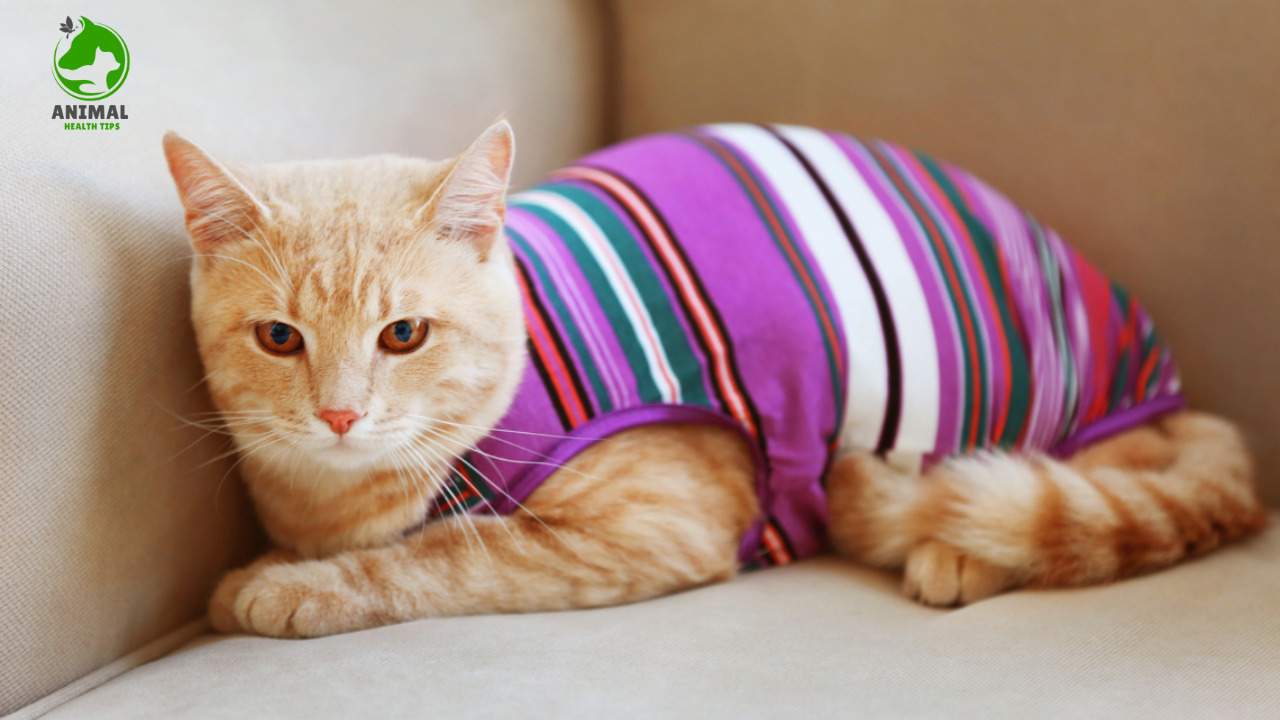
- Prevent your cat from licking, biting, or scratching the incision site, as it can cause infection or delay healing. You may need to use an Elizabethan collar, a cone-shaped device that fits around the cat’s neck and prevents them from reaching the wound.
- Keep your cat indoors and limit their activity for at least 10 days after the surgery, or as advised by your vet. Do not let your cat jump, run, play, or climb, as it can cause the stitches to break or the wound to reopen.
- Check the incision site daily for any signs of swelling, redness, discharge, or odor. Keep the area clean and dry, and avoid applying any creams, ointments, or sprays, unless instructed by your vet.
- Take your cat back to the vet for a follow-up visit and stitch removal, as scheduled by your vet. Do not attempt to remove the stitches yourself, as it can cause damage or infection.
Note:
So in This Post, Do Cats Have Periods? what points can you think of/have experienced? Let me know in the comments.
If you found this helpful feel free to share your experience if you can relate to these points and if you are comfortable to share
For More Articles Related to Cats Health Stay Tuned To our Site