Imagine a tiny, delicate creature entering your life—a baby squirrel, vulnerable and in need of your care. For animal lovers and wildlife enthusiasts, raising a baby squirrel at home may feel like embarking on an extraordinary bond with nature. However, this task is more than just providing food or shelter; it’s about understanding their unique world, mimicking their natural environment, and guiding them back into the wild when they are ready.
In this guide8 sections
This blog will walk you through the essentials of raising a baby squirrel, offering practical tips mixed with insights into their habits and behaviours. By the end of this guide, you’ll not only know how to care for a baby squirrel but also gain a deeper appreciation for the delicate balance of nurturing wildlife within human boundaries.
Understanding Squirrel Behaviour and Needs
Before committing to raising a baby squirrel, it’s vital to understand their natural instincts and requirements. Only with knowledge can you truly provide a space that honours both their immediate needs and their instincts to thrive independently.
Squirrel Species Commonly Found in North America
Start by identifying the squirrel species in your area. Among the most common are grey squirrels, fox squirrels, and red squirrels. Each has unique behavioural patterns, but their developmental needs as babies are largely similar. This recognition helps predict their growth stages, dietary requirements, and eventual release environment.
Diet and Feeding Habits
Baby squirrels, or “kits,” are dependent on frequent feedings. Initially, they’ll need specialised milk formula designed for squirrels. Avoid cow’s milk as it lacks essential nutrients and may harm them. Their diet transitions slowly from formula to solid foods, including nuts, fruits, and vegetables.
Nesting and Environmental Needs
Squirrels are nest builders by nature. They crave warmth and security akin to what their nests in trees provide. Mimic this by creating a cosy, quiet corner with soft blankets and proper ventilation. This will not only keep them physically healthy but also provide a semblance of the safety they find in nature.
The Rescue: What to Do When You Find a Baby Squirrel
Rescuing a baby squirrel can feel like fate intertwining your path with theirs. But the moments immediately following discovery are crucial—this is when you step into the role of their protector.
Safe Rescue Practices
If you see a baby squirrel alone, observe from a distance to ensure the mother isn’t coming back. If it’s injured or cold, it’s best to act. Wear gloves when handling the squirrel to avoid transferring your scent or causing undue stress. Keep the baby warm and secure.
Immediate Care Steps
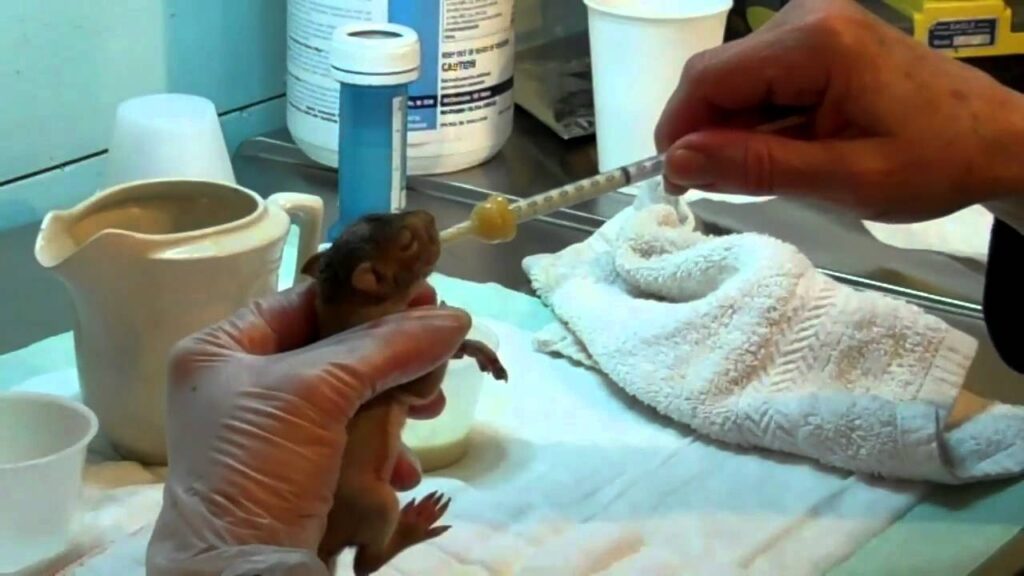
Hydration is key. Administer small amounts of electrolyte solution, like Pedialyte, to stabilise them, using a syringe or dropper. Contact a wildlife rehabilitator or veterinarian for further advice. You are now a guardian of their world.
Preparing for the Arrival
Bringing a baby squirrel into your home requires preparation. Their delicate nature thrives in an environment akin to the one their mother would create.
Creating a Safe Haven
Select a quiet, warm corner free from drafts and loud noises. Use a small box or cage lined with soft blankets to simulate the security of a nest. Ensure their space remains clean to avoid infections.
Essential Supplies
Arm yourself with care basics:
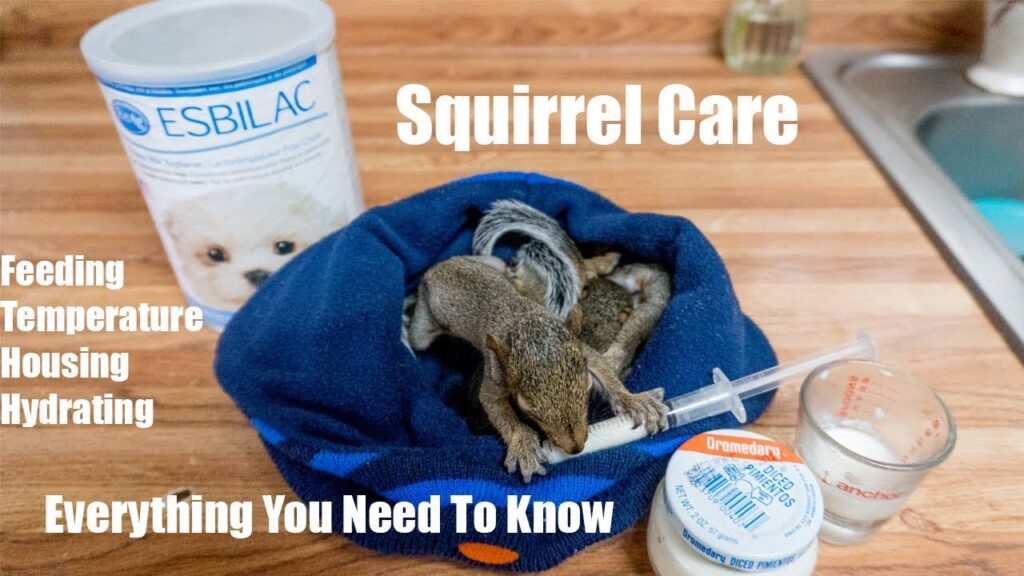
- Specialised squirrel milk formula (Esbilac Puppy Milk is a common option)
- Syringes for precise feeding
- Blankets for warmth
- A heating pad to maintain optimal temperatures
These items become the tools of nurturing, helping you build trust and strength in this tiny being.
The Care Routine
Consistency forms the foundation of care. Like infants, baby squirrels thrive on routine and gentle handling.
Feeding Schedule and Techniques
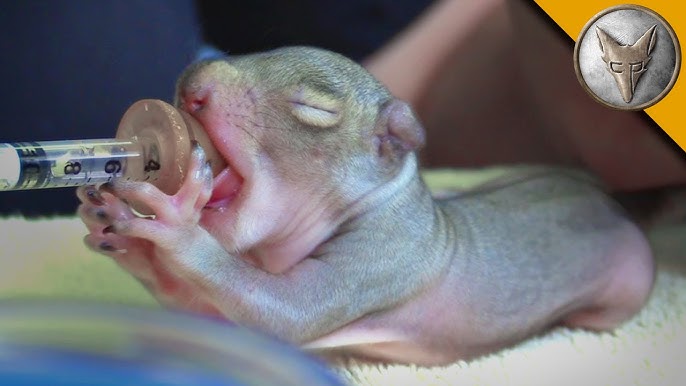
Feed the baby at regular intervals—every two to three hours initially—with small syringes to mimic nursing. Hold them upright as they drink to prevent choking. Gradually reduce the frequency as they grow stronger.
Grooming and Sanitation
Squirrels are naturally clean animals, but babies can’t tend to their hygiene. Wipe them gently with a damp, soft cloth to imitate the grooming their mother would provide.
Recognising Signs of Illness
Be vigilant for signs of lethargy, diarrhoea, or unusual behaviour, which may indicate illness. Seek veterinary care promptly—your role extends to monitoring their unseen vulnerabilities.
Socialising and Encouraging Natural Behaviour
To ensure they grow into confident, independent squirrels, socialisation and environmental stimulation are key.
Gentle Socialisation
Handle the baby squirrel with love but minimal human dependency. Gradually introduce them to other squirrels if possible. This helps mimic the natural hierarchy they’ll face in the wild.
Encouraging Natural Behaviours
Provide branches, leaves, and climbing toys to recreate elements of their outdoor environment. These tools help them hone their climbing and foraging instincts, ensuring they can fend for themselves post-release.
Releasing the Squirrel
Acceptance is bittersweet. Constructing a happy, healthy future for your squirrel means letting them return to where they truly belong—the wild.
Criteria for Release
A healthy squirrel should be energetic, capable of foraging, and able to climb trees. Typically, they are ready for release around three to four months old.
Tips for a Successful Transition
Release them gradually with what is known as a “soft release.” Place their shelter outdoors with access to food, but allow them the freedom to explore and leave when they are ready. Monitor quietly from a distance—this marks the end of your shared chapter and the beginning of their independence.
Legal and Ethical Considerations
Wildlife handling often requires navigating both legal and moral responsibilities. Educate yourself on local regulations regarding squirrel rescue and captivity. It’s equally important to reflect on the ethical aspect of stepping into this delicate relationship with nature.
Protecting Life, One Squirrel at a Time
Caring for a baby squirrel is an act of love and learning—a window into understanding the natural world. By rescuing, nurturing, and releasing a baby squirrel, you become part of a greater mission to coexist with wildlife and protect it.
If you’ve embarked on this extraordinary experience, share your story with the community—it may inspire others to offer their helping hands to the vulnerable lives in our shared world. Together, we can foster a world where every creature, no matter how small, is valued.