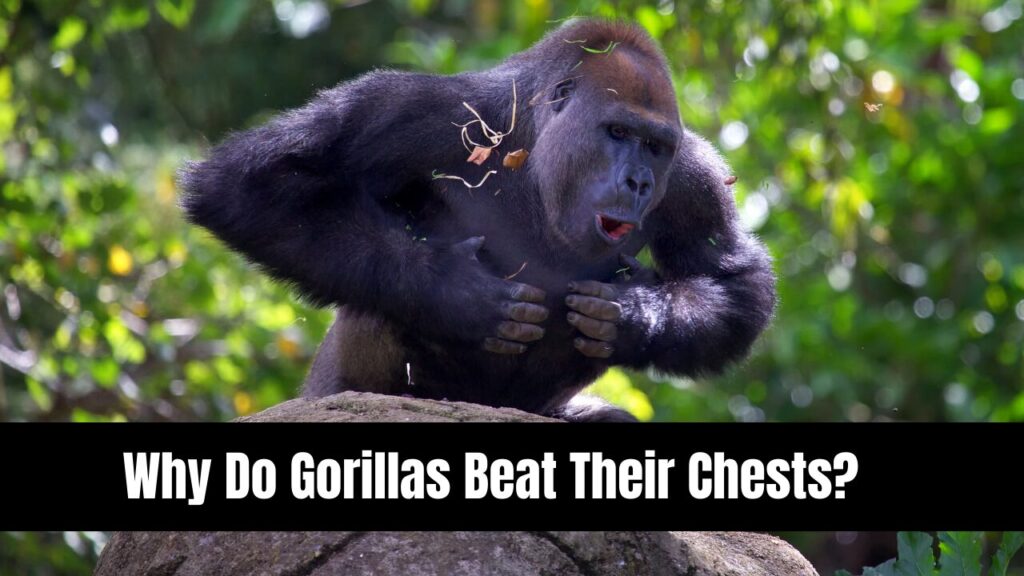
Gorillas, those magnificent and powerful creatures of the jungle, have a peculiar behavior that has fascinated both researchers and wildlife enthusiasts alike: chest-beating. But why do these gentle giants engage in this seemingly aggressive display? Let’s delve into the fascinating world of gorilla behavior and explore the reasons behind their chest-thumping rituals. In This Post I will tell you Why Do Gorillas Beat Their Chests?
In this guide4 sections
The Rhythmic Echo of the Jungle
What Is Chest-Beating?
Chest-beating is a distinctive behavior observed primarily in male gorillas. It involves the gorilla rhythmically pounding its chest with its powerful fists. The resulting sound echoes through the dense forest, creating an awe-inspiring auditory spectacle.
1. Communication and Dominance
Establishing Dominance
Chest-beating serves as a form of communication and dominance assertion within gorilla social groups. When a dominant male gorilla beats his chest, he sends a clear message to other group members: “I am the boss here!” The intensity and frequency of chest-beating can vary, but it often occurs during territorial disputes or when a challenger approaches.
Warning Signals
Gorillas also use chest-beating as a warning signal. When a gorilla feels threatened or wants to discourage potential rivals, it unleashes a series of powerful thumps against its chest. This display communicates, “Back off!” and helps maintain order within the group.
2. Mating Rituals
Attracting Females
Chest-beating plays a crucial role in gorilla courtship. During mating season, male gorillas put on impressive displays to attract females. The rhythmic beats resonate through the forest, announcing their presence and virility. The louder and more resonant the chest-beating, the more likely a female gorilla will be drawn to the dominant male.
3. Expressing Emotions
Emotional Release
Gorillas, like humans, experience emotions. Chest-beating can serve as an emotional outlet. When a gorilla is excited, frustrated, or even angry, it may resort to this behavior. It’s their way of expressing intense feelings, much like how we might raise our voices or stomp our feet when emotions run high.
4. Health and Vitality
Demonstrating Strength
Chest-beating showcases physical prowess. A gorilla’s chest muscles are incredibly strong, and the rhythmic thumps demonstrate their vitality and overall health. It’s a way of saying, “Look at me—I’m fit and ready for any challenge!”

The Future of Gorilla Chest-Beating
As we consider the impact of NLP and voice search on SEO, it’s essential to recognize that natural language matters. Google’s RankBrain algorithm aims to understand context and user intent, favoring content that reads naturally. So, as we explore the intriguing behavior of gorillas, let’s remember that our words matter too.
Frequently Asked Questions
No, chest-beating is primarily observed in male gorillas, especially dominant ones.
While it may seem aggressive, chest-beating is mostly a display of dominance and communication. It rarely leads to physical altercations.
Research suggests that gorillas can distinguish between different chest-beating patterns, associating them with specific individuals.
Remember, the next time you hear the rhythmic echo of a gorilla’s chest-beating, marvel at the complexity of their communication and the wild beauty of the jungle.
Note:
So in This Post We Tell You, Why Do Gorillas Beat Their Chests? what points can you think of/have experienced? Let me know in the comments.
If you found this helpful feel free to share your experience if you can relate to these points and if you are comfortable to share
For More Articles Related to Animal Health Stay Tuned To our Site