How Long Do Cats Live? Factors That Affect Feline Lifespan
If you are a cat lover, you might have wondered how long do cats live and what factors affect their lifespan. Cats are amazing creatures that can live for many years, but their lifespan depends on various factors such as breed, health, diet, environment, and spaying/neutering. In this article, we will explore these factors and give you some tips on how to help your cat live longer and healthier.
In this guide6 sections
Average Lifespan of Cats
According to the American Veterinary Medical Association (AVMA), the average lifespan of cats in the US is about 10 years. However, this is only an average and some cats can live much longer or shorter than that. For example, the Guinness World Records lists the oldest cat ever as Creme Puff, who lived for 38 years and 3 days! On the other hand, some cats may die prematurely due to accidents, diseases, or other causes.
The lifespan of cats also varies by breed. Some breeds tend to live longer than others, such as Siamese, Persian, and Ragdoll, which can live up to 15-20 years. Other breeds, such as Maine Coon, Bengal, and Scottish Fold, may have shorter lifespans due to genetic health issues. Of course, these are only general trends and individual cats may differ from their breed averages.
Factors That Affect Feline Lifespan
There are many factors that can influence how long your cat will live, some of which are under your control and some of which are not. Here are some of the most important factors that affect feline lifespan:
Health
One of the most obvious factors that affect how long your cat will live is their health. Cats can suffer from various health problems, such as dental disease, kidney disease, diabetes, cancer, and more. Some of these diseases can be prevented or treated with regular veterinary care, while others may be incurable or fatal. Therefore, it is important to monitor your cat’s health and take them to the vet for routine check-ups, vaccinations, and treatments. You should also watch out for any signs of illness or distress in your cat, such as changes in appetite, weight, behavior, or litter box habits, and seek veterinary attention as soon as possible.
Diet
Another factor that affects how long your cat will live is their diet. Cats are obligate carnivores, which means they need meat to survive and thrive. They also need a balanced diet that provides them with all the essential nutrients, vitamins, and minerals they need. Feeding your cat a high-quality, species-appropriate, and age-appropriate food can help them maintain a healthy weight, prevent obesity, and avoid nutritional deficiencies or excesses. You should also provide your cat with fresh water at all times and avoid giving them human food, table scraps, or toxic foods, such as chocolate, onions, garlic, grapes, raisins, and more.
Environment
The environment your cat lives in can also affect their lifespan. Cats that live indoors tend to live longer than cats that live outdoors, as they are protected from predators, parasites, diseases, traffic, and other hazards. However, indoor cats also need a stimulating and enriching environment that allows them to express their natural behaviors, such as scratching, climbing, playing, hunting, and hiding. You can provide your cat with toys, scratching posts, cat trees, window perches, and interactive games to keep them entertained and happy. You should also ensure your cat has a safe and comfortable place to sleep, rest, and relax.
Spaying/Neutering
Spaying or neutering your cat can also have a positive impact on their lifespan. Spaying or neutering can prevent unwanted pregnancies, reduce the risk of reproductive cancers, and eliminate or reduce the behaviors associated with mating, such as roaming, fighting, spraying, and yowling. Spaying or neutering can also help control the overpopulation of cats, which can lead to homelessness, starvation, disease, and euthanasia. Spaying or neutering your cat can be done as early as 8 weeks of age, but you should consult your vet for the best time and procedure for your cat.

How to Help Your Cat Live Longer
As a cat owner, you want your cat to live as long and as well as possible. While you cannot control all the factors that affect your cat’s lifespan, you can do some things to help your cat live longer and healthier. Here are some tips on how to help your cat live longer:
- Provide your cat with regular veterinary care, including check-ups, vaccinations, deworming, flea and tick prevention, and dental care.
- Feed your cat a high-quality, species-appropriate, and age-appropriate diet, and avoid overfeeding or underfeeding them.
- Provide your cat with fresh water at all times and avoid giving them human food, table scraps, or toxic foods.
- Keep your cat indoors or provide them with a safe and secure outdoor enclosure that protects them from predators, parasites, diseases, traffic, and other hazards.
- Provide your cat with a stimulating and enriching environment that allows them to express their natural behaviors, such as scratching, climbing, playing, hunting, and hiding.
- Spay or neuter your cat to prevent unwanted pregnancies, reduce the risk of reproductive cancers, and eliminate or reduce the behaviors associated with mating.
- Love your cat and give them plenty of attention, affection, and companionship.
Frequently Asked Questions
Here are some of the most frequently asked questions about how long do cats live and what factors affect their lifespan:
Q: How long do cats live in human years?
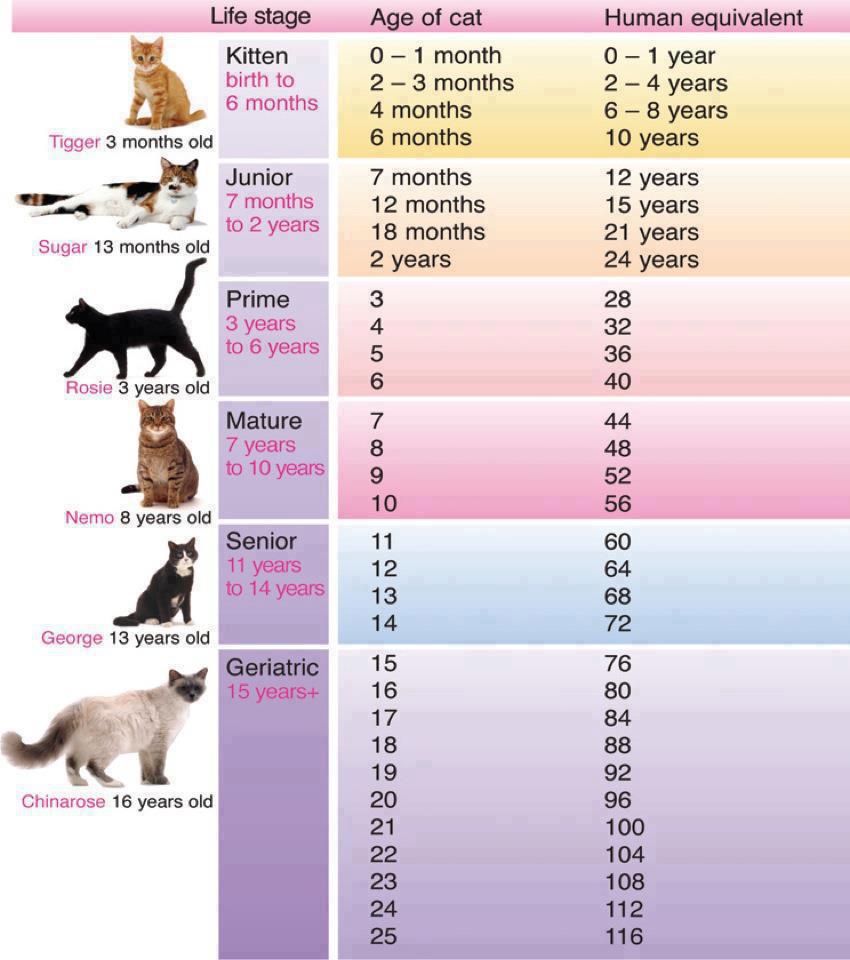
A: There is no definitive answer to how long do cats live in human years, as different cats age at different rates depending on their breed, health, diet, environment, and spaying/neutering. However, a general rule of thumb is that one cat year is equivalent to about 15 human years for the first year, and then about 4 human years for each subsequent year. For example, a 10-year-old cat would be about 56 years old in human years.
Q: How long do indoor cats live vs outdoor cats?
A: Indoor cats tend to live longer than outdoor cats, as they are protected from predators, parasites, diseases, traffic, and other hazards. According to a study by the University of California, Davis, the average lifespan of indoor cats is about 13.9 years, while the average lifespan of outdoor cats is about 5.6 years. However, this does not mean that outdoor cats cannot live long and healthy lives, as long as they are provided with adequate care, shelter, food, water, and veterinary attention.
Q: How long do stray cats live?
A: Stray cats are cats that have been abandoned, lost, or born in the wild, and have no owner or home. Stray cats face many challenges and dangers, such as hunger, thirst, disease, injury, predation, and human cruelty. Therefore, their lifespan is much shorter than that of domestic cats. According to the ASPCA, the average lifespan of stray cats is about 3 years. However, some stray cats may be lucky enough to find a caring person or organization that can provide them with food, water, shelter, and medical care, and help them find a loving home.
Q: How long do feral cats live?
A: Feral cats are cats that have never been socialized to humans, and are essentially wild animals. Feral cats usually live in colonies with other feral cats, and have a complex social structure and hierarchy. Feral cats are similar to stray cats in terms of the challenges and dangers they face, but they may also have some advantages, such as being more adapted to their environment, having a stronger immune system, and having a support network of other cats. According to the ASPCA, the average lifespan of feral cats is about 2 years. However, some feral cats may benefit from programs such as Trap-Neuter-Return (TNR), which can reduce their population growth, improve their health, and reduce their impact on wildlife and the environment.
Conclusion
Cats are wonderful pets that can bring joy and companionship to our lives. However, they also have a limited lifespan that depends on various factors, such as breed, health, diet, environment, and spaying/neutering. By understanding these factors and providing our cats with the best care possible, we can help them live longer and happier lives.
So in This Post, we tell you How Long Do Cats Live? what points can you think your cat experienced? Let me know in the comments.
If you found this helpful feel free to share your experience if you can relate to these points and if you are comfortable to share
For More Articles Related to Cats Health Stay Tuned To our Site