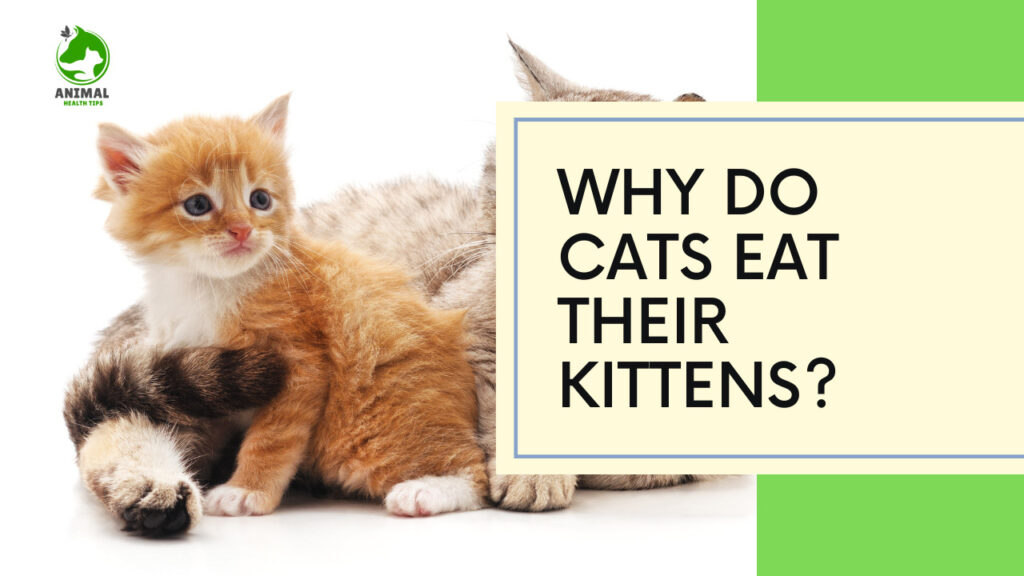
Why Do Cats Eat Their Kittens? The Surprising Truth Behind This Behavior
Have you ever witnessed or heard of a mother cat eating her own kittens? If so, you might be wondering why cats do this and what it means. Is it a sign of cruelty, malnutrition, or something else? In this article, we will explore the reasons Why Do Cats Eat Their Kittens? and how you can prevent it from happening.
In this guide6 sections
What Causes Cats to Eat Their Kittens?
Cats are obligate carnivores, meaning they need meat to survive. They also have strong maternal instincts that drive them to protect and care for their offspring. However, sometimes these instincts can clash and result in a cat eating her kittens. Here are some of the possible causes of this behavior:
The kitten is unhealthy or stillborn:
One of the most common reasons why a cat eats her kitten is because the kitten is sick, deformed, or dead. Cats have a keen sense of smell and can detect if a kitten is not viable or has a disease that could infect the rest of the litter. By eating the kitten, the cat is trying to eliminate the source of infection and prevent predators from being attracted by the smell of decay. Eating the kitten also provides the cat with some nutrients that she may need after giving birth.
The litter is too large or in danger:
Another reason why a cat eats her kitten is because she feels overwhelmed or threatened by the size or situation of the litter. A cat may not have enough milk or resources to feed all her kittens, especially if she is malnourished or stressed. She may also perceive that the litter is in danger from other animals, humans, or environmental factors. In these cases, the cat may eat some of her kittens to reduce the number of mouths to feed and to ensure the survival of the strongest ones. She may also eat them to hide them from potential threats or to move them to a safer location.
The cat is inexperienced or lacks maternal skills:
Sometimes, a cat eats her kitten because she is a first-time mother or has poor maternal skills. She may not know how to care for her kittens properly or may be confused by their movements and sounds. She may mistake them for prey or toys and bite them too hard. She may also be too rough or aggressive with them, causing them to die or get injured. Some cats may also have a genetic or psychological defect that prevents them from developing normal maternal behavior.
The cat is stressed or traumatized:
Stress and trauma can also trigger a cat to eat her kittens. A cat may be stressed by factors such as noise, lack of privacy, changes in routine, or human interference. She may also have experienced trauma in the past, such as abuse, neglect, or loss of previous litters. These factors can affect the cat’s mental and emotional state and cause her to act irrationally or violently towards her kittens. She may eat them as a way of coping with her stress or trauma, or as a result of a mental breakdown.
How to Prevent Cats from Eating Their Kittens?
While it is rare for cats to eat their kittens, it is still a possibility that you should be aware of and prepared for. Here are some tips on how to prevent this behavior from happening:
- Provide a safe and comfortable environment for the cat and her kittens: The most important thing you can do to prevent a cat from eating her kittens is to make sure she feels safe and comfortable in her surroundings. Provide her with a quiet, secluded, and clean area where she can give birth and nurse her kittens. Make sure she has access to fresh water, food, and a litter box. Avoid disturbing her or touching her kittens for the first few weeks, unless necessary. Let her bond with her kittens and establish her maternal role.
- Monitor the health and well-being of the cat and her kittens: Another thing you can do to prevent a cat from eating her kittens is to keep an eye on their health and well-being. Check on them regularly and look for any signs of illness, injury, or distress. If you notice any problems, consult a veterinarian as soon as possible. You may also want to spay or neuter your cat to prevent unwanted pregnancies and reduce the risk of complications. You can also weigh the kittens daily to make sure they are growing and developing normally.
- Seek professional help if needed: If you suspect that your cat is eating her kittens or is at risk of doing so, you should seek professional help immediately. Contact your veterinarian or a local animal shelter for advice and assistance. They may be able to provide you with medical care, behavioral counseling, or foster care for the cat and her kittens. They may also be able to help you find suitable homes for the kittens once they are old enough to be adopted.
Frequently Asked Questions
Here are some of the most common questions that people have about cats eating their kittens:
Do male cats eat kittens?
Male cats do not usually eat kittens, but they may kill them for various reasons. Some male cats may kill kittens that are not their own to eliminate competition and to mate with the mother cat. Some male cats may also kill kittens out of aggression, jealousy, or curiosity. However, some male cats may also be protective and caring towards kittens, especially if they are their own or if they have been socialized with them.
Do cats eat their kittens if you touch them?
Cats do not usually eat their kittens if you touch them, but they may become stressed or defensive if you do so. Cats are very sensitive to smells and may not recognize their kittens if you leave your scent on them. They may also think that you are a threat or a nuisance and may try to move or hide their kittens. Therefore, it is best to avoid touching the kittens for the first few weeks, unless necessary. You can gradually introduce yourself to the kittens once they are older and more independent.
Do other cats eat kittens?
Other cats may eat kittens for similar reasons as the mother cat, such as hunger, disease, danger, or stress. Other cats may also eat kittens out of curiosity, playfulness, or malice. However, other cats may also be friendly and helpful towards kittens, especially if they are related or familiar with them. Some cats may even adopt or nurse orphaned kittens as their own.
Conclusion
Cats eating their kittens is a rare and shocking behavior that can have various causes and implications. It is important to understand why cats do this and how to prevent it from happening. By providing a safe and comfortable environment, monitoring the health and well-being of the cat and her kittens, and seeking professional help if needed, you can ensure that your cat and her kittens have a happy and healthy life together.
Note:
So in This Post, Why Do Cats Eat Their Kittens? what points can you think of/have experienced? Let me know in the comments.
If you found this helpful feel free to share your experience if you can relate to these points and if you are comfortable to share
For More Articles Related to Cats Health Stay Tuned To our Site