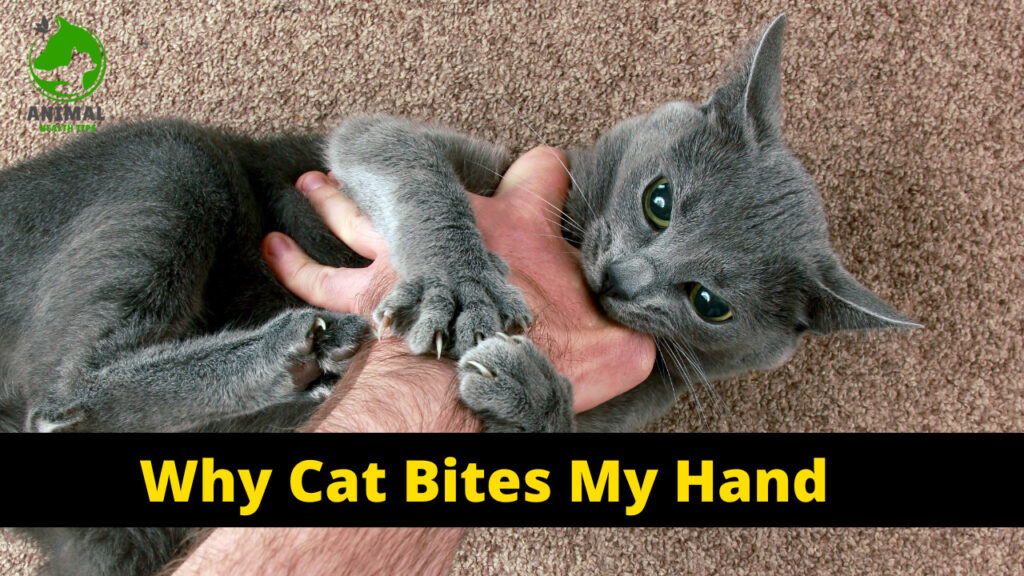
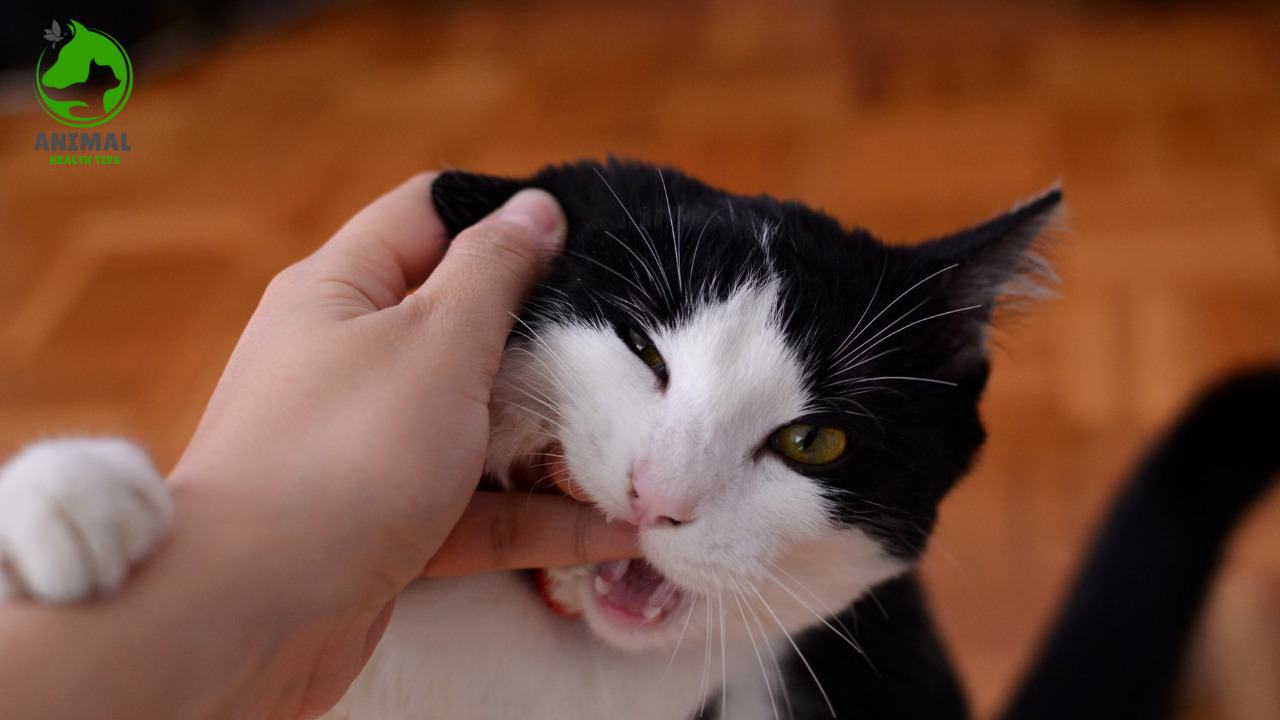
Do you love your cat but hate it when they bite your hand? You are not alone. Many cat owners struggle with this problem and wonder why their furry friends turn into fierce predators. In this article, we will explore the possible reasons why cat bites my hand and how to prevent or stop this behavior.
In this guide6 sections
What is Cat Biting?
Cat biting is a form of aggression that cats display towards humans or other animals. It can range from gentle nibbles to hard bites that break the skin and cause pain, bleeding, or infection. Cat biting can be triggered by various factors, such as fear, stress, boredom, playfulness, or territoriality.
Why Cat Bites My Hand?
There are many possible reasons why cat bites my hand, depending on the context and the cat’s personality. Here are some of the most common ones:
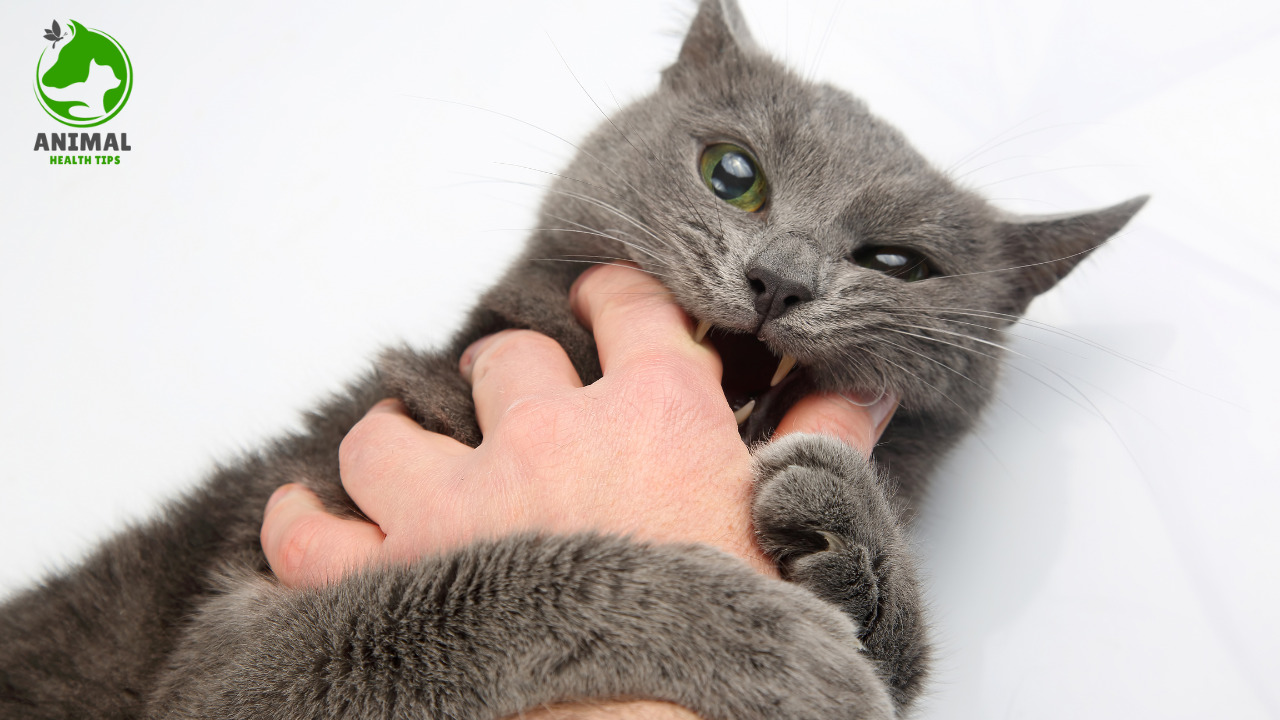
- Play Biting: Cats are natural hunters and they use their teeth and claws to catch and kill their prey. When they play with humans, they may bite their hands as a way of simulating hunting or expressing their excitement. Play biting is usually not very hard and does not cause much harm, but it can still be annoying or painful for some people.
- Fear Biting: Cats may bite their hands when they feel threatened or scared by something or someone. This can happen when they are startled by a loud noise, a sudden movement, or an unfamiliar person or animal. Fear biting is a defensive reaction that cats use to protect themselves or escape from a perceived danger. Fear biting is usually harder and more serious than play biting and can cause injury or infection.
- Stress Biting: Cats may bite their hands when they are stressed or unhappy about something in their environment. This can happen when they are exposed to changes, such as moving to a new home, introducing a new pet or family member, or losing a companion. Stress biting is a way of coping with anxiety or frustration that cats feel when they cannot control their situation. Stress biting can also be hard and harmful and can indicate that the cat needs more attention or care.
- Territorial Biting: Cats may bite their hands when they are trying to assert their dominance or ownership over their territory. This can happen when they are marking their scent, defending their resources, or competing for attention. Territorial biting is a way of showing who is the boss or who owns what. Territorial biting can be aggressive and hostile and can cause conflict or resentment.
How to Stop Cat Biting?
Cat biting is a natural and normal behavior for cats, but it can be unpleasant or dangerous for humans. Therefore, it is important to understand why cat bites my hand and how to stop or prevent it. Here are some tips and solutions:
- Do Not Encourage Play Biting: If your cat bites your hand when they are playing, do not reward them with more attention or affection. Instead, stop the play session immediately and ignore them for a few minutes. This will teach them that biting is not acceptable and will result in losing your attention. You can also use a toy or a wand to play with your cat instead of your hand, so that they can bite something else without hurting you.
- Do Not Punish Fear Biting: If your cat bites your hand when they are scared, do not yell at them, hit them, or spray them with water. This will only make them more fearful and more likely to bite again. Instead, try to calm them down by speaking softly, stroking them gently, or offering them a treat. You can also try to remove the source of fear or provide a safe place for your cat to hide or relax.
- Reduce Stress Biting: If your cat bites your hand when they are stressed, try to identify and eliminate the cause of stress. You can also provide your cat with more stimulation, enrichment, and comfort, such as toys, scratching posts, catnip, or a cozy bed. You can also consult your vet or a cat behaviorist for more advice or medication if the stress is severe or chronic.
- Respect Territorial Biting: If your cat bites your hand when they are territorial, do not try to force them to share or give up their space or resources. Instead, respect their boundaries and preferences and provide them with enough food, water, litter boxes, and resting areas. You can also use pheromone diffusers or sprays to create a more harmonious and peaceful atmosphere for your cat and other pets or people.
Frequently Asked Questions
Here are some of the most frequently asked questions about why cat bites my hand and how to stop it:
Q: How can I tell the difference between play biting and fear biting?
A: Play biting is usually softer and gentler than fear biting and does not cause much damage. Play biting is also accompanied by other playful signals, such as purring, kneading, or rolling over. Fear biting is usually harder and more painful than play biting and can cause bleeding or infection. Fear biting is also accompanied by other fearful signals, such as hissing, growling, or flattening the ears.
Q: How can I prevent my cat from biting my hand in the first place?
A: You can prevent your cat from biting your hand by providing them with a stimulating and enriching environment, socializing them from an early age, and teaching them bite inhibition. You can also avoid triggering their biting instinct by not moving your hand too fast or too close to their face, not touching them when they are sleeping or eating, and not invading their personal space.
Q: What should I do if my cat bites my hand and breaks the skin?
A: You should wash the wound with soap and water and apply an antiseptic cream or ointment. You should also cover the wound with a bandage and change it regularly. You should seek medical attention if the wound is deep, swollen, red, or infected, or if you experience fever, nausea, or other symptoms. You should also make sure that your cat is up to date with their vaccinations and check with your vet if they need any treatment.
Conclusion
Cat biting is a common and natural behavior for cats, but it can be annoying or harmful for humans. Therefore, it is important to understand why cat bites my hand and how to stop or prevent it. By following the tips and solutions in this article, you can enjoy a more peaceful and loving relationship with your cat.
Note:
So in This Post, Why Cat Bites My Hand what points can you think of/have experienced? Let me know in the comments.
If you found this helpful feel free to share your experience if you can relate to these points and if you are comfortable to share
For More Articles Related to Cats Health Stay Tuned To our Site