
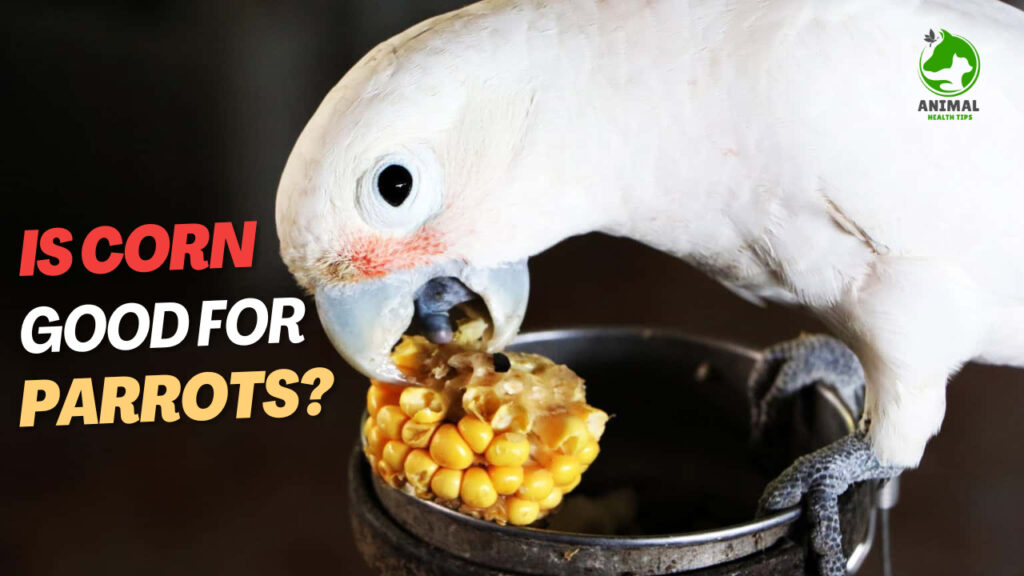
Is Corn Good for Parrots? A Guide to Parrot Nutrition and Health
Corn is a common and popular food that many people enjoy eating, but what about parrots? Can parrots eat corn, and is it good for them? The answer is yes, parrots can eat corn, and it can be a healthy and beneficial part of their diet, as long as it is given in moderation and prepared properly. In this article, we will explore the nutritional value of corn, how to feed it to your parrot, and what are some potential risks and benefits of corn for parrots.
In this guide6 sections
The Nutritional Value of Corn for Parrots
Corn is a type of cereal grain that belongs to the grass family. It is rich in carbohydrates, which provide energy for parrots, and also contains some protein, fiber, vitamins, minerals, and antioxidants. Some of the nutrients in corn include:
- Vitamin A: This vitamin is essential for parrots’ vision, skin, feathers, and immune system. It also helps prevent infections and diseases. Parrots need about 5,000 IU of vitamin A per kilogram of body weight per day.
- Vitamin B: Corn contains several B vitamins, such as thiamine, riboflavin, niacin, pantothenic acid, pyridoxine, and folate. These vitamins are involved in various metabolic processes, such as energy production, nerve function, blood formation, and DNA synthesis. Parrots need different amounts of B vitamins depending on their species and diet.
- Vitamin C: This vitamin is an antioxidant that protects parrots from oxidative stress and free radical damage. It also helps with wound healing, collagen synthesis, iron absorption, and immune function. Parrots can synthesize vitamin C in their liver, but they may benefit from some extra vitamin C in their diet, especially if they are stressed, sick, or injured.
- Vitamin E: This vitamin is another antioxidant that protects parrots from oxidative stress and free radical damage. It also helps with cell membrane integrity, immune function, and reproduction. Parrots need about 20 IU of vitamin E per kilogram of body weight per day.
- Magnesium: This mineral is important for parrots’ bone health, muscle function, nerve function, and enzyme activity. It also helps regulate calcium and phosphorus levels in the body. Parrots need about 60 mg of magnesium per kilogram of body weight per day.
- Potassium: This mineral is essential for parrots’ fluid balance, nerve function, muscle function, and heart function. It also helps regulate blood pressure and pH levels in the body. Parrots need about 4 mg of potassium per gram of dry matter intake per day.
- Iron: This mineral is vital for parrots’ blood health, as it is a component of hemoglobin, the protein that carries oxygen in the blood. It also helps with immune function and enzyme activity. Parrots need about 80 mg of iron per kilogram of dry matter intake per day.
- Zinc: This mineral is crucial for parrots’ growth, development, wound healing, feather health, and immune function. It also helps with enzyme activity and hormone production. Parrots need about 80 mg of zinc per kilogram of dry matter intake per day.
As you can see, corn is a nutritious food that can provide parrots with many essential nutrients. However, corn is not a complete food, and it should not be the only food that parrots eat. Corn is high in carbohydrates and low in protein, fat, calcium, and some other vitamins and minerals. Therefore, parrots need a balanced and varied diet that includes other foods, such as pellets, vegetables, fruits, seeds, nuts, and other grains.

How to Feed Corn to Your Parrot
There are different ways to feed corn to your parrot, depending on the type and form of corn you have. Here are some tips on how to prepare and offer corn to your parrot:
- Fresh corn: Fresh corn on the cob is a great treat for parrots, as they enjoy pecking at the kernels and chewing on the cob. You can offer fresh corn raw or cooked, but make sure it is organic and pesticide-free. Wash the corn well and cut it into small pieces that your parrot can handle. You can also remove the kernels from the cob and mix them with other foods, such as vegetables or pellets. Fresh corn should be offered sparingly, as it is high in sugar and can cause obesity and diabetes in parrots if given too often.
- Frozen corn: Frozen corn is a convenient and safe option for parrots, as it is usually free of additives and preservatives. You can thaw frozen corn and offer it to your parrot as it is, or you can cook it lightly to make it softer and more palatable. You can also mix frozen corn with other foods, such as vegetables or pellets. Frozen corn should also be offered sparingly, as it is high in sugar and can cause obesity and diabetes in parrots if given too often.
- Canned corn: Canned corn is not recommended for parrots, as it is usually high in sodium, sugar, and other additives and preservatives that can be harmful for parrots. Canned corn can also lose some of its nutritional value due to the processing and storage. If you have no other option, you can rinse canned corn well and offer it to your parrot occasionally, but make sure to check the label for the ingredients and avoid any corn that contains salt, sugar, or other additives.
- Dried corn: Dried corn is a type of corn that has been dehydrated and preserved. It can be found in some bird seed mixes, or you can buy it separately. Dried corn can be a good source of carbohydrates and fiber for parrots, but it should be soaked or cooked before feeding, as it can be hard and indigestible for parrots. You can also mix dried corn with other foods, such as vegetables or pellets. Dried corn should be offered moderately, as it is high in calories and can cause obesity and diabetes in parrots if given too often.
- Popcorn: Popcorn is a type of corn that has been heated and popped. It can be a fun and healthy snack for parrots, as long as it is plain and unsalted. You can pop your own corn at home using an air popper or a microwave, or you can buy plain popcorn from the store. Avoid any popcorn that has salt, butter, oil, sugar, or other flavorings, as these can be harmful for parrots. You can offer popcorn to your parrot as a treat, but not too often, as it is high in carbohydrates and low in other nutrients.
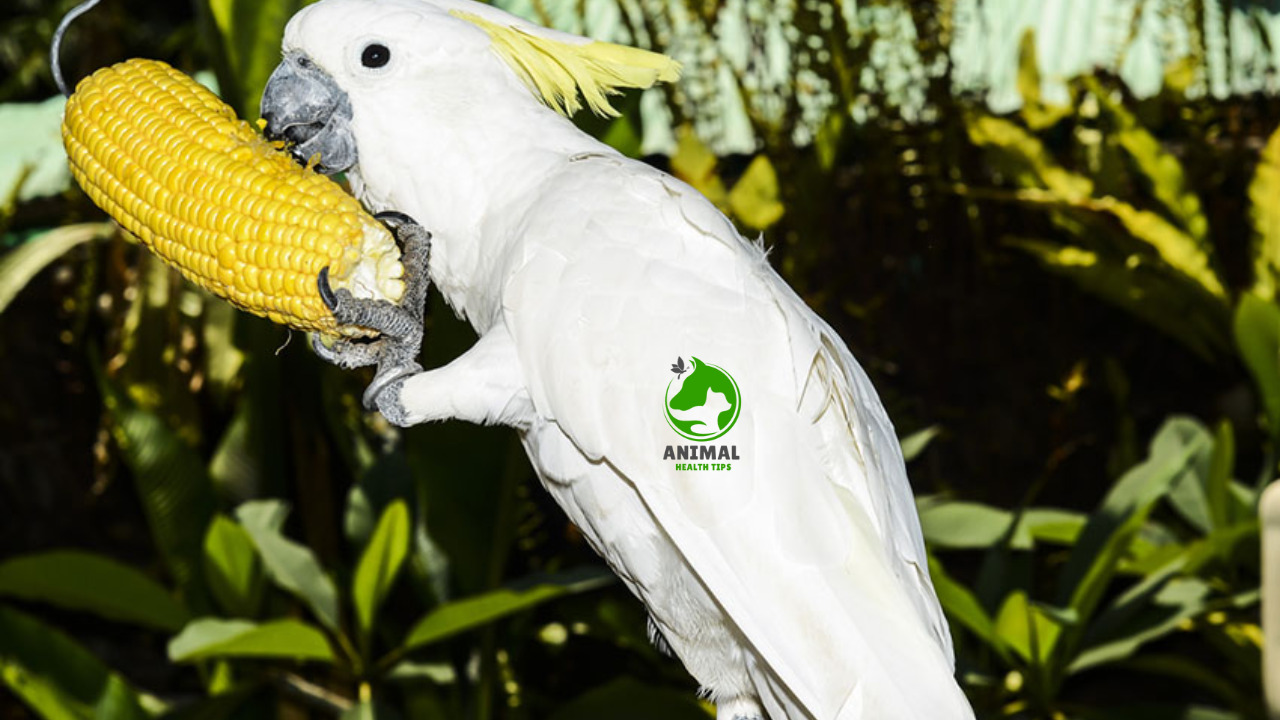
The Risks and Benefits of Corn for Parrots
Corn can be a healthy and beneficial food for parrots, as it can provide them with energy, fiber, vitamins, minerals, and antioxidants. However, corn can also pose some risks and drawbacks for parrots, such as:
- Obesity and diabetes: Corn is high in carbohydrates and sugar, which can cause weight gain and blood sugar spikes in parrots if given too often. Obesity and diabetes can lead to serious health problems in parrots, such as fatty liver disease, heart disease, arthritis, and respiratory issues. To prevent these problems, limit the amount and frequency of corn you offer to your parrot, and balance it with other foods that are high in protein, fat, calcium, and other nutrients.
- Allergies and sensitivities: Some parrots may be allergic or sensitive to corn or its components, such as gluten, lectins, or mycotoxins. These substances can cause inflammation, irritation, and damage to the digestive system, immune system, and nervous system of parrots. Symptoms of corn allergy or sensitivity in parrots may include vomiting, diarrhea, skin rashes, feather plucking, itching, sneezing, wheezing, or seizures. If you notice any of these signs in your parrot after feeding them corn, stop offering corn and consult your veterinarian.
- Contamination and spoilage: Corn can be contaminated with pesticides, herbicides, fungicides, or other chemicals that can be toxic for parrots. Corn can also be infected with fungi, bacteria, or parasites that can cause infections and diseases in parrots. To avoid these risks, always buy organic and pesticide-free corn, wash it well before feeding, and store it properly in the refrigerator or freezer. Discard any corn that looks moldy, discolored, or smells bad.
Conclusion
Corn can be a good food for parrots, as it can provide them with energy, fiber, vitamins, minerals, and antioxidants. However, corn should not be the main or only food that parrots eat, as it is high in carbohydrates and low in protein, fat, calcium, and some other vitamins and minerals. Corn should be offered in moderation and prepared properly, and parrots should also eat a balanced and varied diet that includes pellets, vegetables, fruits, seeds, nuts, and other grains. Corn can also pose some risks and drawbacks for parrots, such as obesity, diabetes, allergies, sensitivities, contamination, and spoilage. Therefore, parrot owners should be aware of these potential problems and take precautions to prevent them. By following these guidelines, you can feed corn to your parrot safely and enjoyably.
Note:
So in This Post, Is Corn Good for Parrots? what points can you think of/have experienced? Let me know in the comments.
If you found this helpful feel free to share your experience if you can relate to these points and if you are comfortable to share
For More Articles Related to Birds Health Stay Tuned To our Site
1 comment