Have you ever wondered how some animals can change their color in the winter? It’s not magic, it’s science! In this article, you will learn about six amazing animals that can adapt to their surroundings by changing their color in the cold season. You will also discover how and why they do it, and what benefits they get from this remarkable ability.
In this guide7 sections
What is Color Change in Animals?
Color change in animals is the ability to alter the color or pattern of their skin, fur, feathers, or scales. Some animals can do this rapidly, such as chameleons and octopuses, while others do it gradually, such as arctic foxes and snowshoe hares. Color change can be triggered by various factors, such as temperature, light, mood, or camouflage.
Why Do Some Animals Change Color in the Winter?
One of the main reasons why some animals change color in the winter is to blend in with their environment and avoid predators. For example, a white arctic fox is less visible in the snow than a brown one, and a brown snowshoe hare is less noticeable in the forest than a white one. By changing their color, these animals can increase their chances of survival and reproduction.
Another reason why some animals change color in the winter is to regulate their body temperature and conserve energy. For example, a white ptarmigan has more feathers than a brown one, and a white ermine has thicker fur than a brown one. By changing their color, these animals can insulate themselves better and reduce heat loss in the cold weather.

How Do Some Animals Change Color in the Winter?
There are two main ways that some animals change color in the winter: by molting and by changing their pigment. Molting is the process of shedding old skin, fur, feathers, or scales and replacing them with new ones. Changing pigment is the process of altering the color or concentration of the pigment cells in the skin, fur, feathers, or scales.
Molting
Some animals, such as arctic foxes, snowshoe hares, ptarmigans, and ermines, change color in the winter by molting. They have two sets of coats: a summer coat and a winter coat. The summer coat is usually brown, gray, or black, while the winter coat is usually white or pale. The animals shed their summer coat in the fall and grow their winter coat in the winter. They do the opposite in the spring, when they shed their winter coat and grow their summer coat.
Changing Pigment
Some animals, such as arctic wolves and reindeer, change color in the winter by changing their pigment. They have special pigment cells called melanocytes, which produce a pigment called melanin. Melanin is responsible for the color of the skin, fur, feathers, or scales. The amount and type of melanin determine the color and shade of the animal. The animals can control their melanocytes by hormones, which are influenced by the length of daylight. When the days are shorter in the winter, the animals produce less melanin, which makes them lighter in color. When the days are longer in the spring, the animals produce more melanin, which makes them darker in color.
Which Animals Change Color in the Winter?
Here are six examples of animals that change color in the winter, along with some interesting facts about them:
Arctic Fox:
The arctic fox is a small, furry animal that lives in the Arctic regions of North America, Europe, and Asia. It can change its color from brown or gray in the summer to white or blue in the winter. The white color helps it blend in with the snow, while the blue color helps it blend in with the ice. The arctic fox has a thick coat that covers its entire body, including its ears, paws, and tail. It can survive temperatures as low as -50°C (-58°F).

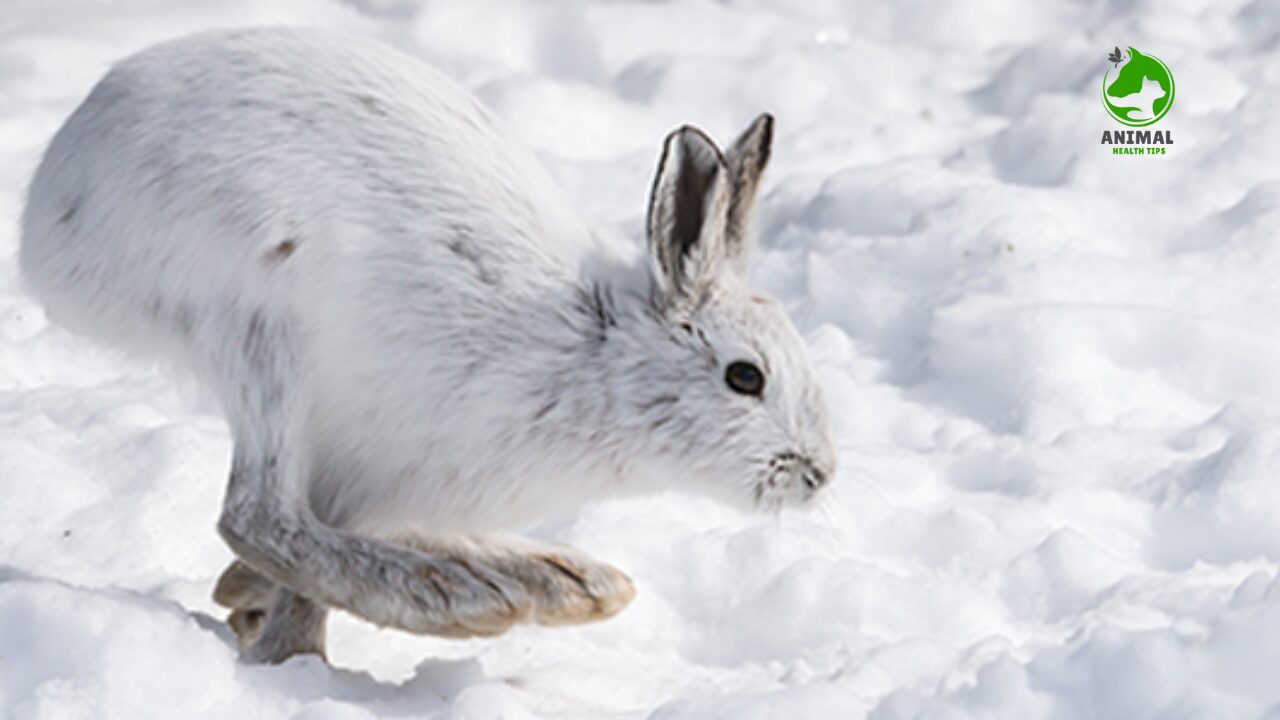
Snowshoe Hare:
The snowshoe hare is a medium-sized, long-eared animal that lives in the boreal forests of North America. It can change its color from brown or gray in the summer to white in the winter. The white color helps it camouflage in the snow, while the brown or gray color helps it camouflage in the vegetation. The snowshoe hare has large, furry feet that act like snowshoes, allowing it to run fast and jump high on the snow.
Ptarmigan:
The ptarmigan is a small, plump bird that lives in the tundra and mountain regions of North America, Europe, and Asia. It can change its color from brown or gray in the summer to white in the winter. The white color helps it hide in the snow, while the brown or gray color helps it hide in the rocks. The ptarmigan has feathers that cover its entire body, including its legs and feet. It can fly short distances and walk or run on the ground.
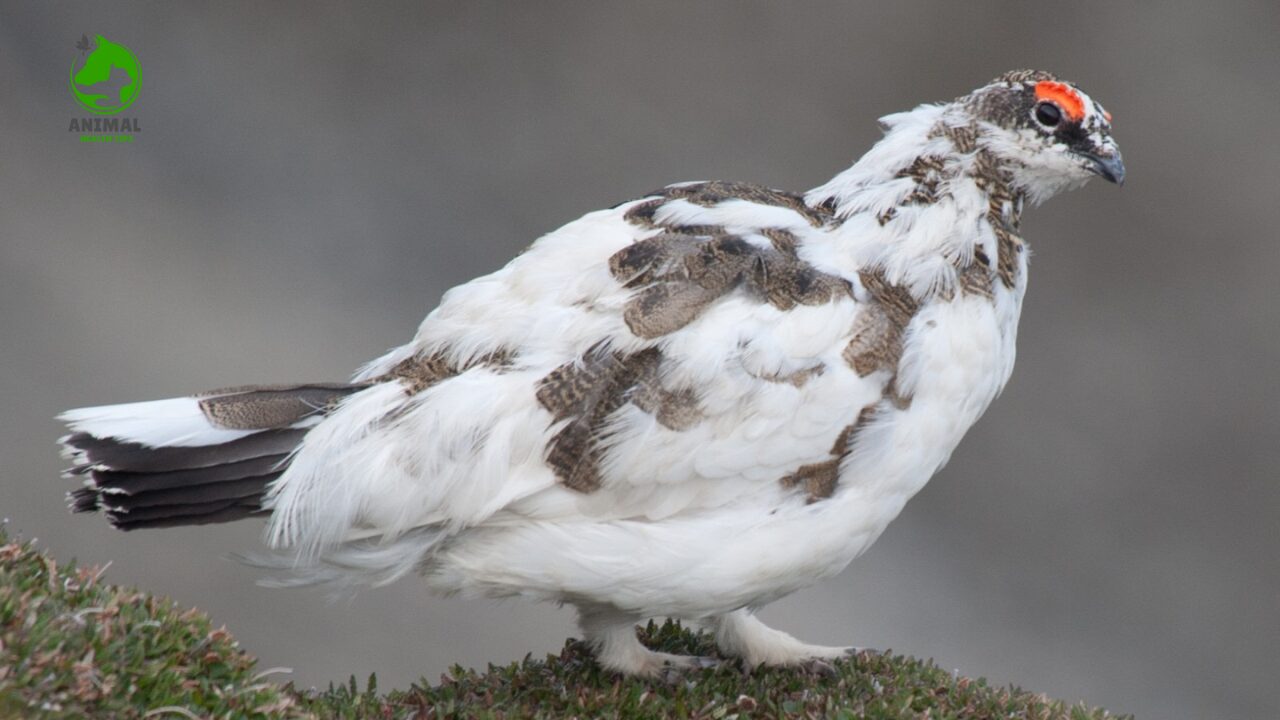
Ermine:
The ermine is a small, slender animal that lives in the temperate and subarctic regions of North America, Europe, and Asia. It can change its color from brown or black in the summer to white in the winter. The white color helps it blend in with the snow, while the brown or black color helps it blend in with the soil. The ermine has a long, bushy tail that has a black tip, which remains black throughout the year. It can climb trees and swim in water.

Arctic Wolf:
The arctic wolf is a large, powerful animal that lives in the Arctic regions of North America and Greenland. It can change its color from gray or black in the summer to white or cream in the winter. The white or cream color helps it match the snow, while the gray or black color helps it match the rocks. The arctic wolf has a thick, double-layered coat that protects it from the cold and wind. It can hunt large prey, such as caribou and musk oxen, in packs.

Reindeer:
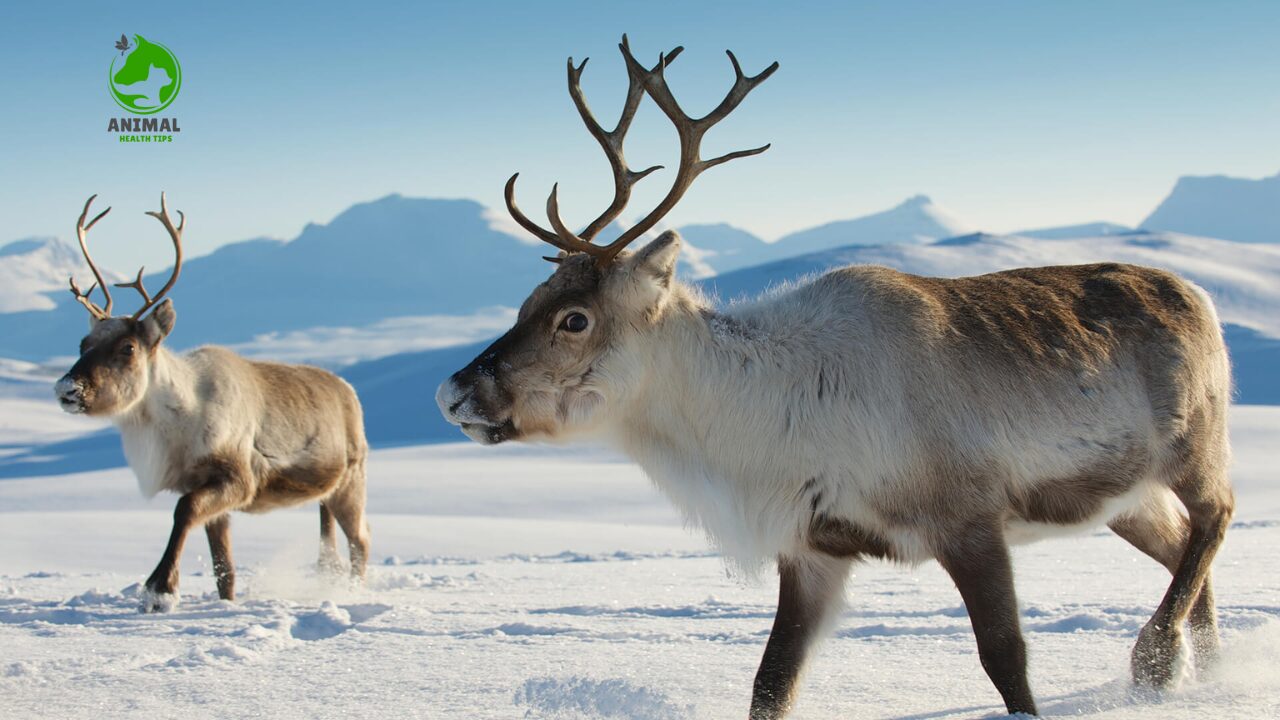
The reindeer is a large, hoofed animal that lives in the Arctic and subarctic regions of North America, Europe, and Asia. It can change its color from brown or gray in the summer to white or gray in the winter. The white or gray color helps it reflect the sunlight, while the brown or gray color helps it absorb the heat. The reindeer has a dense, woolly coat that insulates it from the cold and snow. It can pull sleds and carry loads, and is domesticated by some people.
Frequently Asked Questions
Here are some common questions and answers about animals that change color in the winter:
Q: How do animals know when to change color in the winter?
A: Animals that change color in the winter rely on cues from their environment, such as the temperature, the daylight, and the food availability. These cues trigger hormonal changes in the animals, which affect their molting or pigment production.
Q: Are there any disadvantages of changing color in the winter?
A: Changing color in the winter can have some drawbacks for the animals, such as the risk of mismatching their environment and becoming more visible to predators or prey. For example, if the snow melts earlier or later than usual, the animals may be white when the ground is brown, or vice versa. This can reduce their chances of survival and reproduction.
Q: Are there any other animals that change color in the winter besides the ones mentioned in this article?
A: Yes, there are many other animals that change color in the winter, such as the arctic hare, the collared lemming, the weasel, the mountain hare, the willow ptarmigan, and the snowy owl. Each animal has its own unique way of adapting to the winter conditions.
Conclusion
In conclusion, changing color in the winter is a fascinating and useful adaptation that some animals have developed to cope with the harsh and variable climate. By changing their color, these animals can camouflage, regulate their temperature, and conserve their energy. They can also impress us with their beauty and diversity.
Note:
So in This Post About, Animals That Change Color in the Winter what points can you think of/have experienced? Let me know in the comments.
If you found this helpful feel free to share your experience if you can relate to these points and if you are comfortable to share
For More Articles Related to Animal Health Stay Tuned To our Site